Beyond Rural Development
Explore how CSR in Aspirational Districts and Blocks can drive measurable impact through healthcare, livelihoods, education and infrastructure development.
 GHE
GHETransforming Tourism & Livelihoods
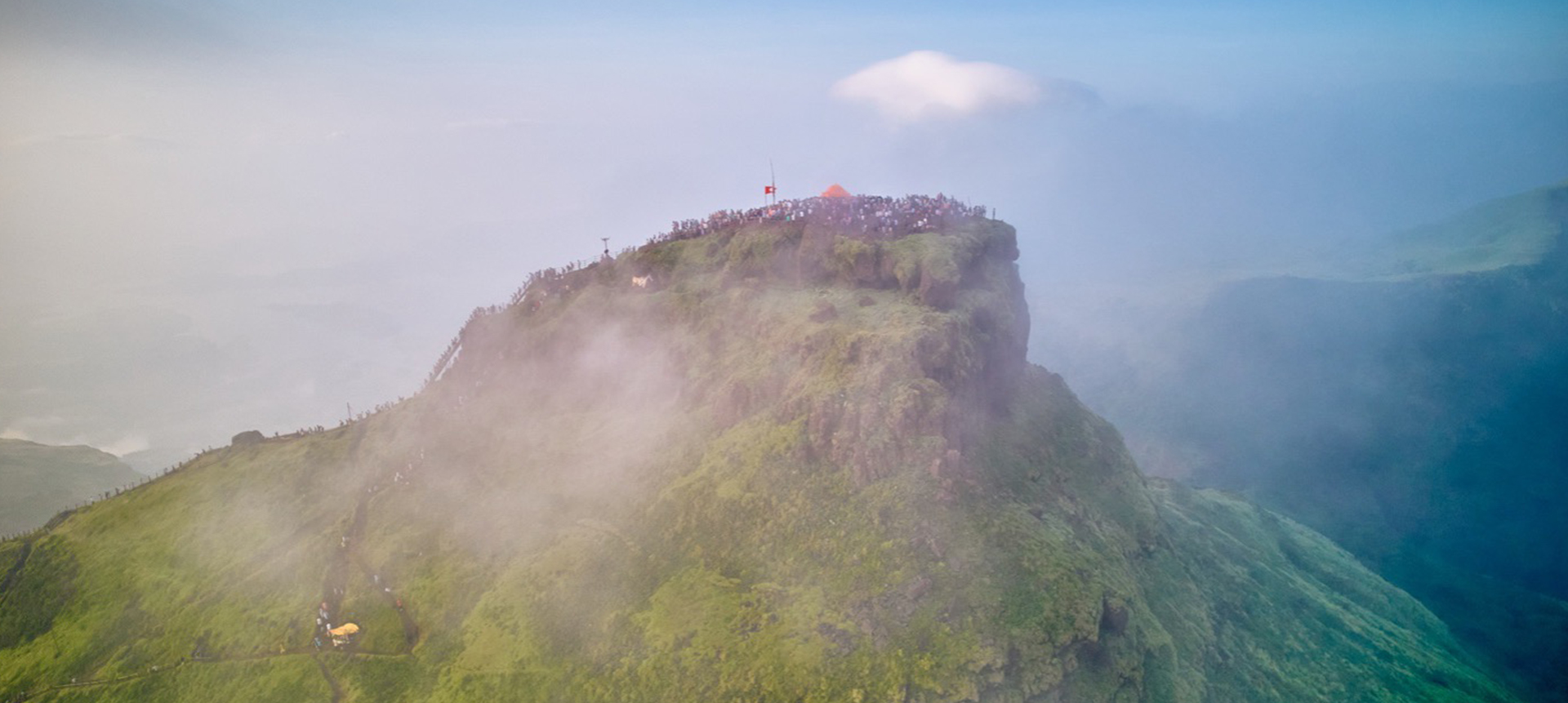
Mt. Kalsubai, Maharashtra’s highest peak, is a prominent trekking destination that attracts thousands of adventure seekers every year. Its breathtaking trails, spiritual significance, and stunning landscapes make it an ideal location for nature lovers and thrill-seekers alike. Despite the increasing influx of tourists, the local communities living in and around Bari village, the base for Mt. Kalsubai, have struggled to fully benefit from this tourism boom.
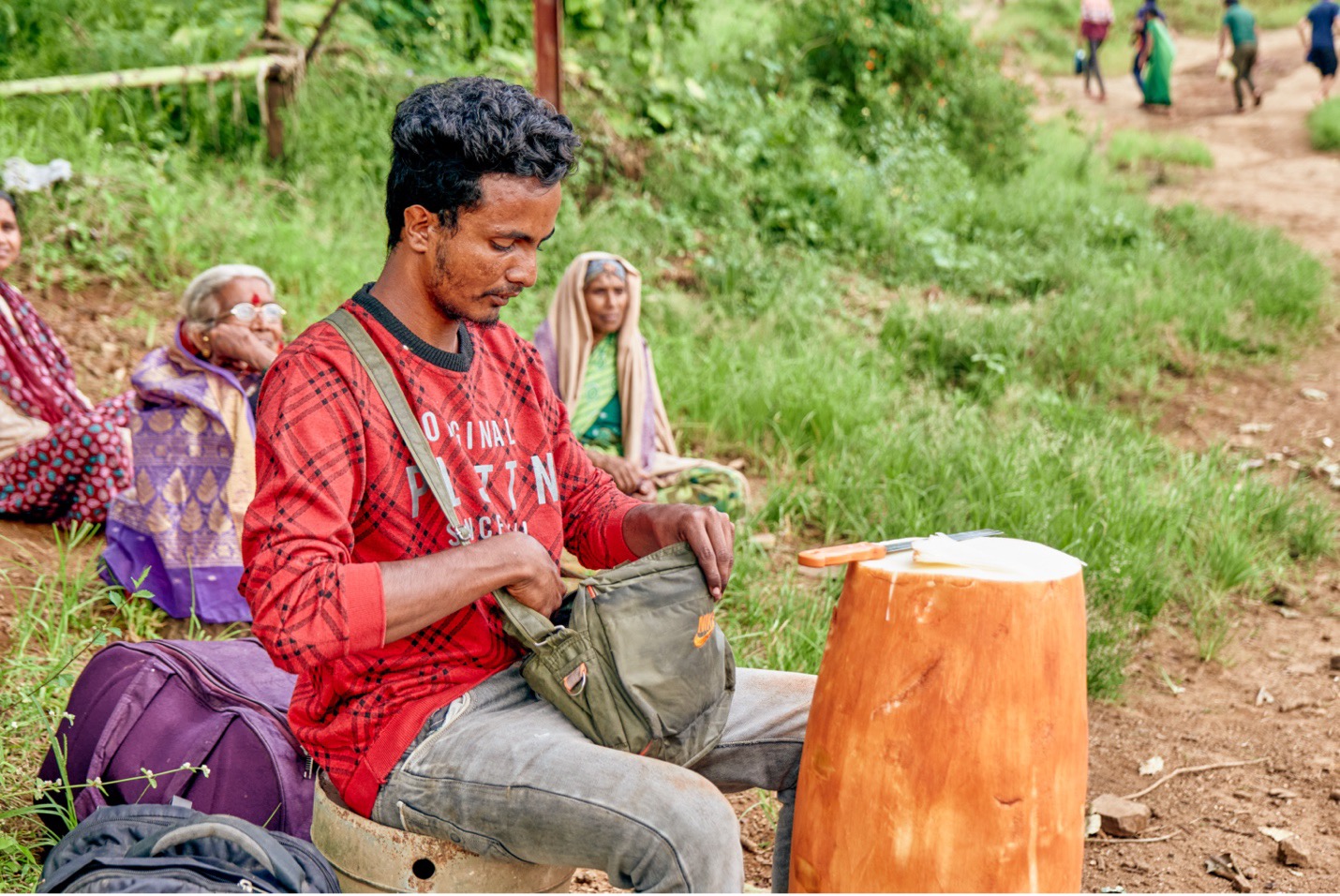
While many locals work as guides to earn a livelihood, most have never received any formal training in adventure tourism, customer engagement, or emergency response.
Their role has traditionally been limited to escorting tourists to the summit and back, without offering a well-rounded, safe, and informative experience. This lack of professional training and preparedness has led to several challenges:
Mt. Kalsubai, 5,400 feet, is the highest peak in Maharashtra
Recognizing this urgent need, GHE and ASK Foundation collaborated to launch an Adventure Guide and First Aid Training Program in Bari village. This initiative was designed not just to improve safety and skills but to uplift the entire community by creating sustainable employment opportunities for local youth.
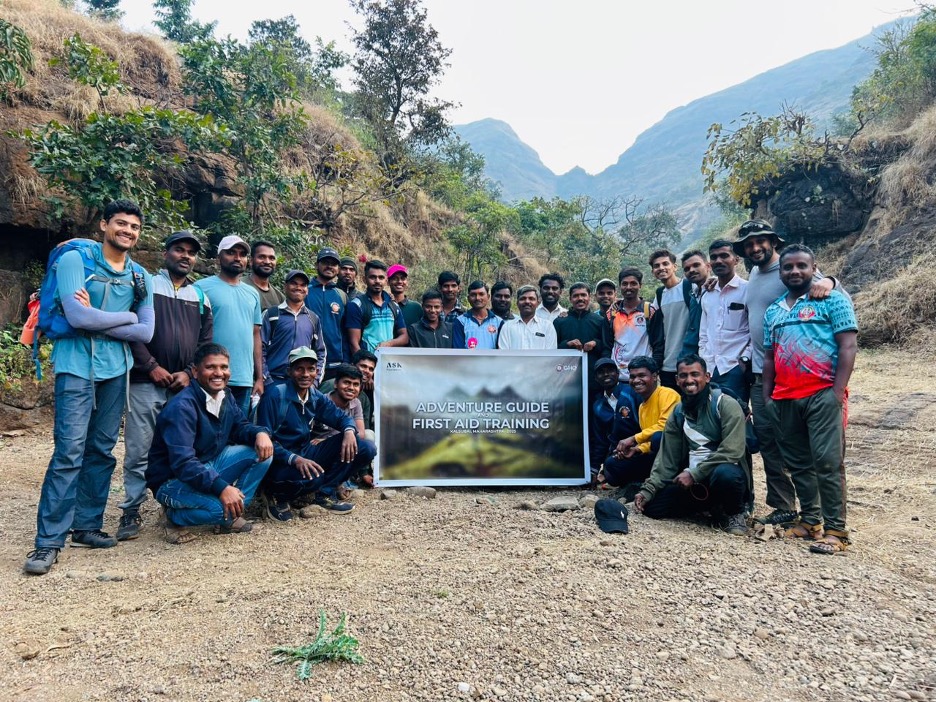
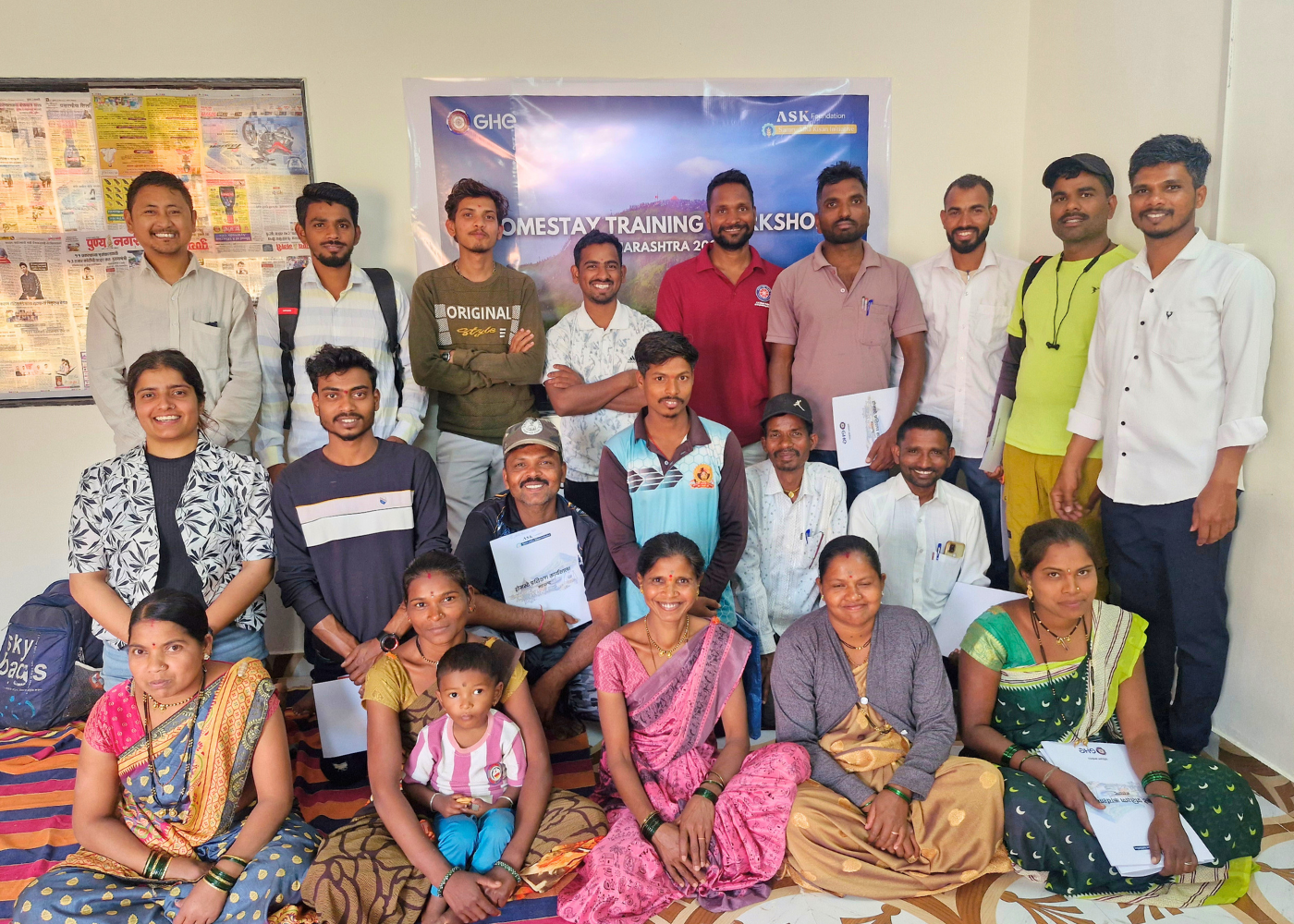
From 8th to 13th January 2025, GHE and ASK Foundation organized a comprehensive training program that aimed to equip local guides with the critical skills needed to enhance tourist safety, improve professionalism, and build sustainable livelihoods. A total of 27 guides received First Aid Training, while 28 guides underwent Adventure Guiding Training. The program ensured that each participant developed hands-on skills applicable to real-life trekking and emergency situations.
Bhandardhara’s Panjare forest hosts a firefly festival each summer,
The program covered three major areas:
First Aid & Emergency Response Training: Equipping guides with essential first aid skills was a priority to ensure that they could respond swiftly and effectively to medical emergencies on the trek.
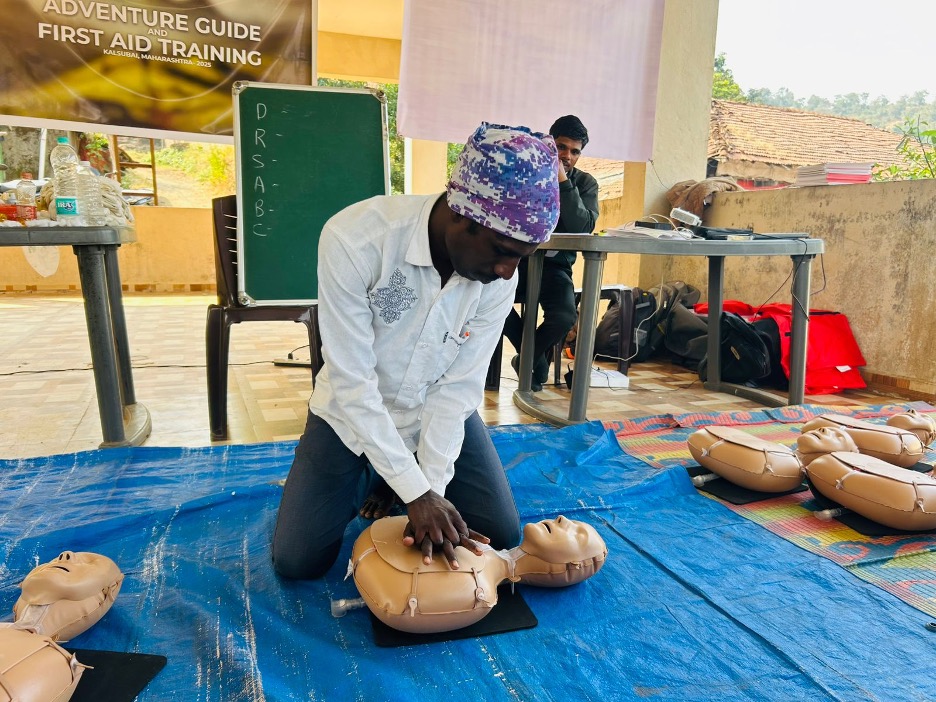
This included:
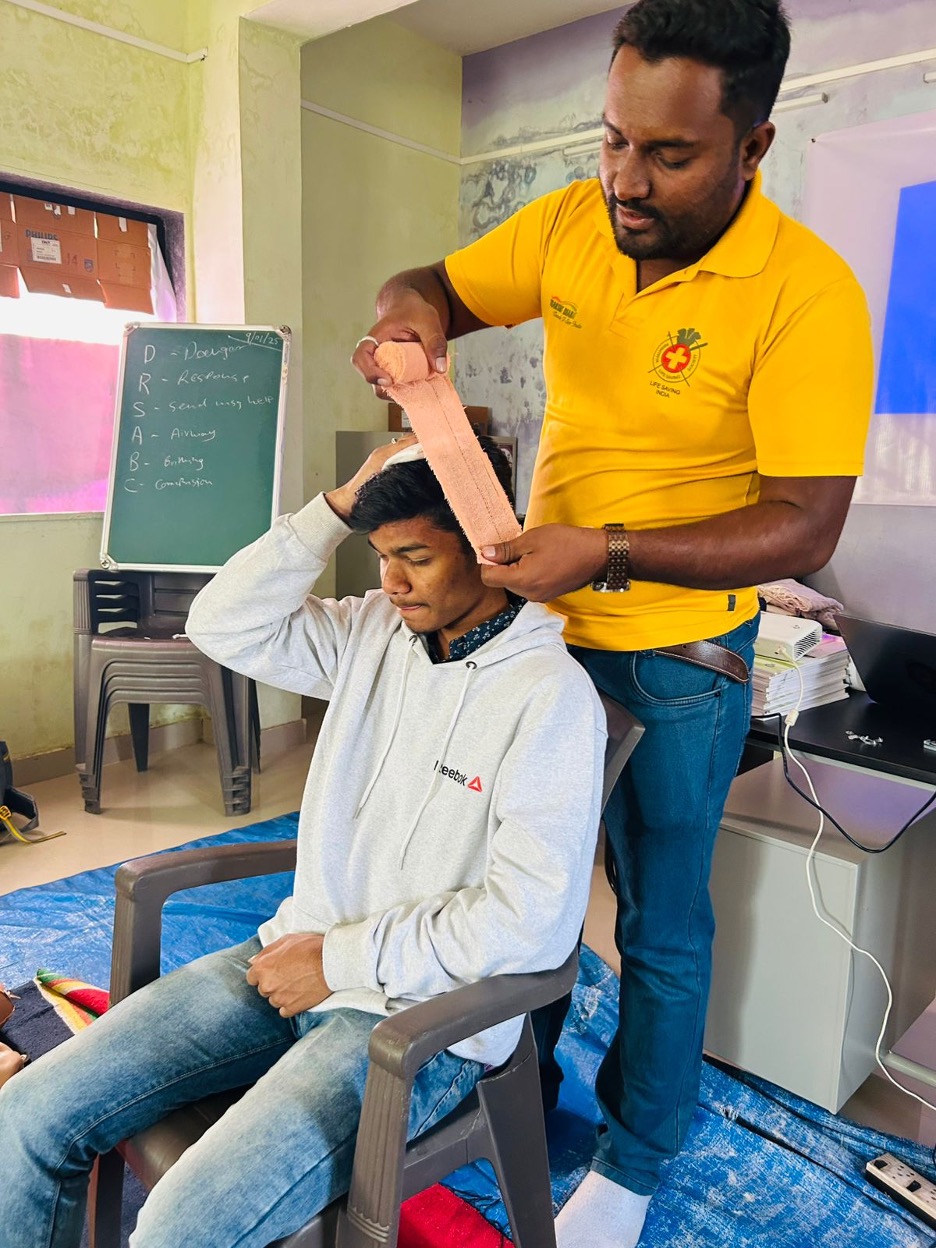
This training ensured that guides could provide immediate medical assistance to trekkers, creating a safer trekking experience for all.
Adventure Guide Training: Enhancing Trek Leadership: Beyond first aid, adventure guiding techniques were an essential part of the training.
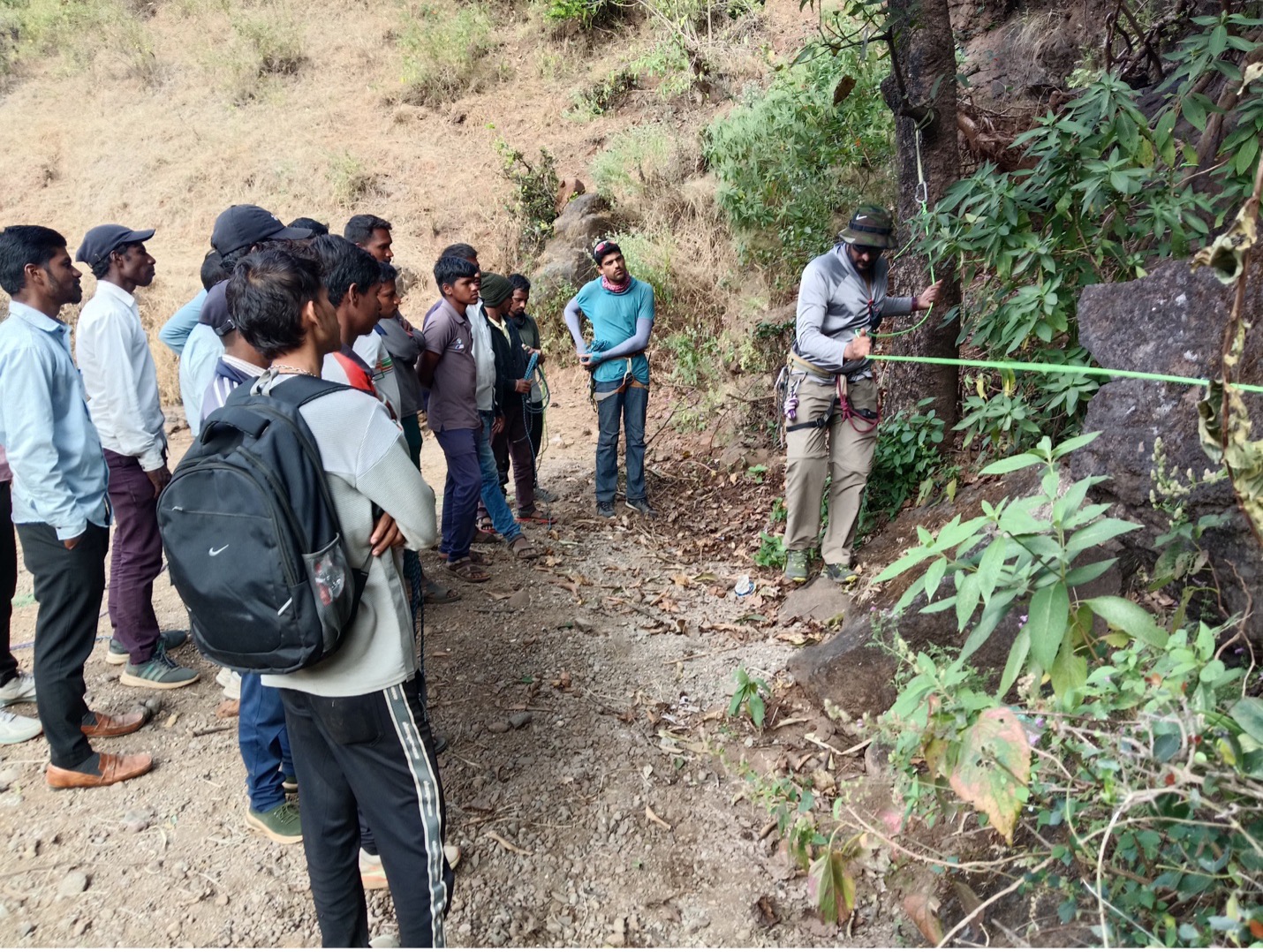
The program covered:
Charge higher fees for their expertise, earning better wages than before.
Risk assessment and decision making – Understanding terrain conditions and identifying potential dangers
Rope management and knot tying – Essential for rock climbing and rescue scenarios
Navigation and route planning– Ensuring safety even in changing weather conditions
Client management – Handling group dynamics, slow trekkers, and emergency evacuations
Pre-trek safety briefings – Teaching tourists about responsible trekking and environmental conservation
These skills enable guides to conduct safer, well-organized treks, boosting their credibility and professionalism in the adventure tourism industry.
Communication & Professional Development: A key component of the training focused onenhancing communication and interpersonal skillsto help guides engage more effectively with tourists. This included:
Cultural storytelling– Sharing the history, folklore, and ecological significance of Mt. Kalsubai
Customer interaction– Ensuring trekkers feel welcomed, motivated, and well-informed
Building confidence and leadership– Helping guides manage large groups and diverse client needs
Conflict resolution– Handling tourist concerns and emergencies with professionalism
Through these sessions, local youth transformed from simple guides into professional adventure leaders, capable of providing enriching and memorable experiences.
The results of the training have been remarkable, both for the guides and the broader community. For the first time, local youth have acquired professional skills that not only boost their confidence but also create real employment opportunities.
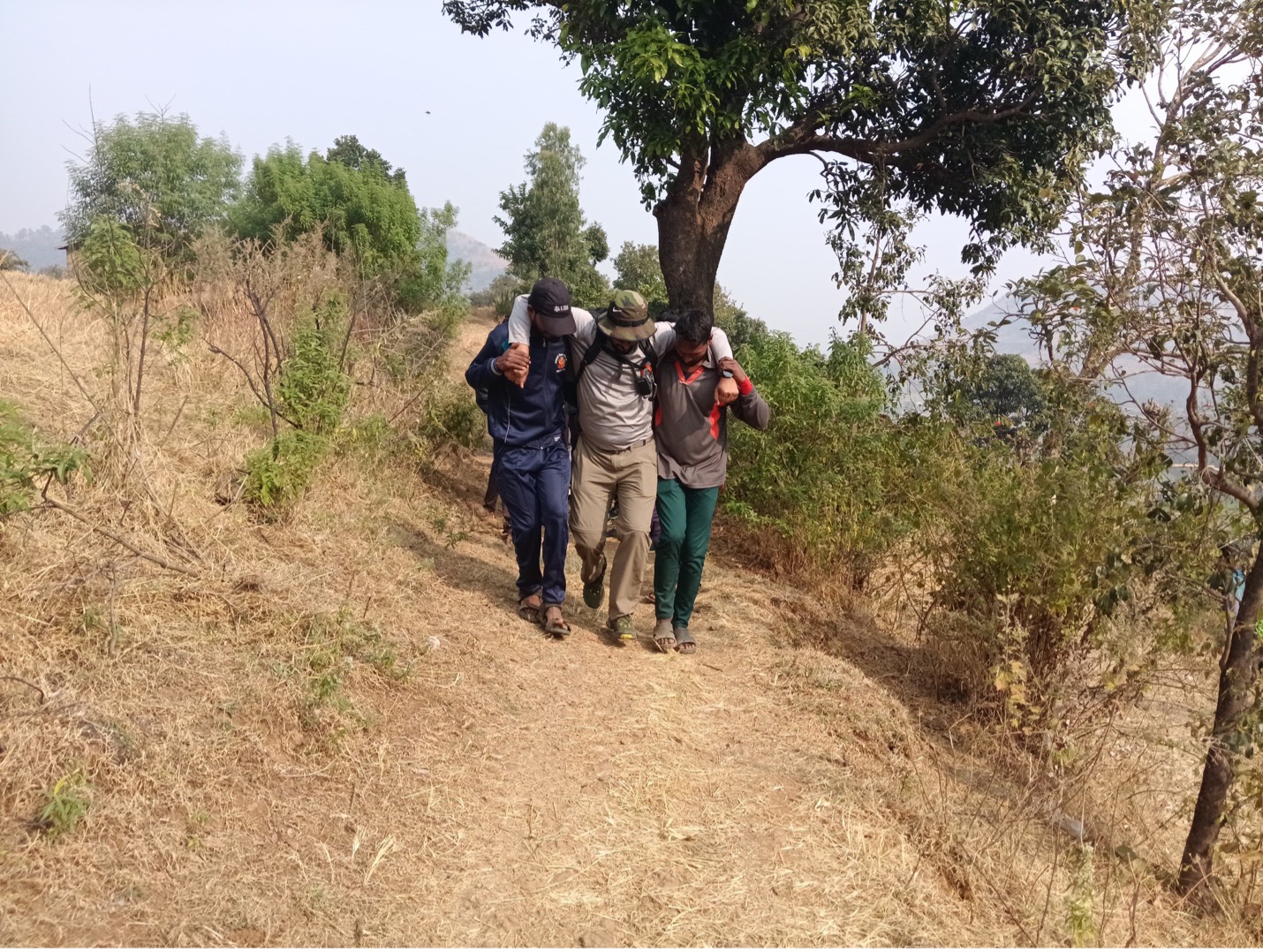
By anchoring tourism in local skills, culture, and safety, ASK Foundation and GHE are building an economic foundation that respects Mt. Kalsubai’s environment and traditions.
Guides are now better equipped to handle emergencies, ensuring that tourists feel safer and more secure on their treks. As a result:
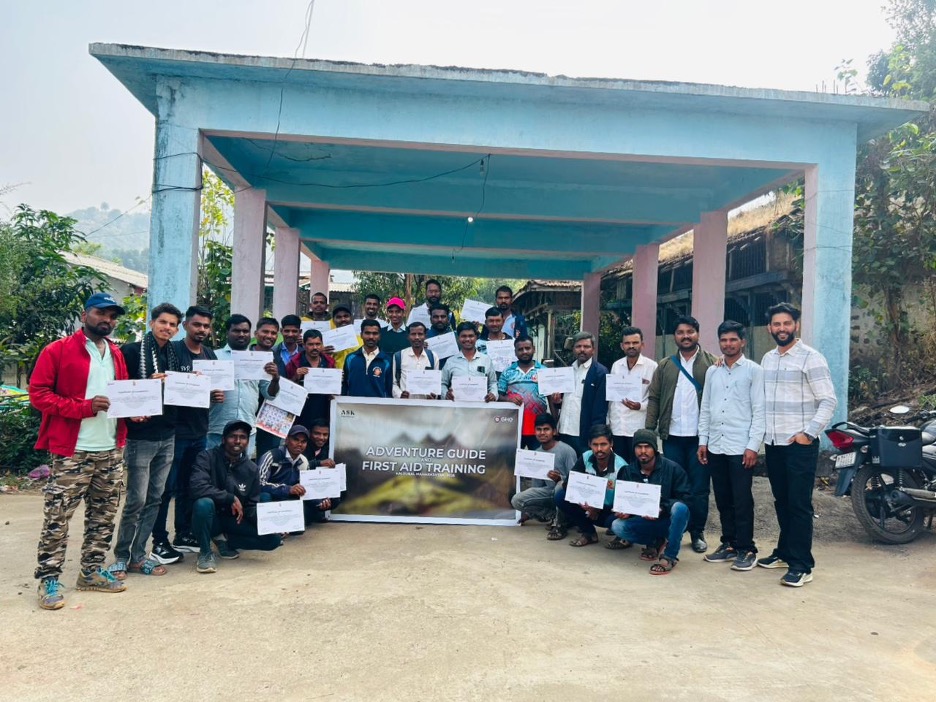
With their new skills and certifications, guides can now:
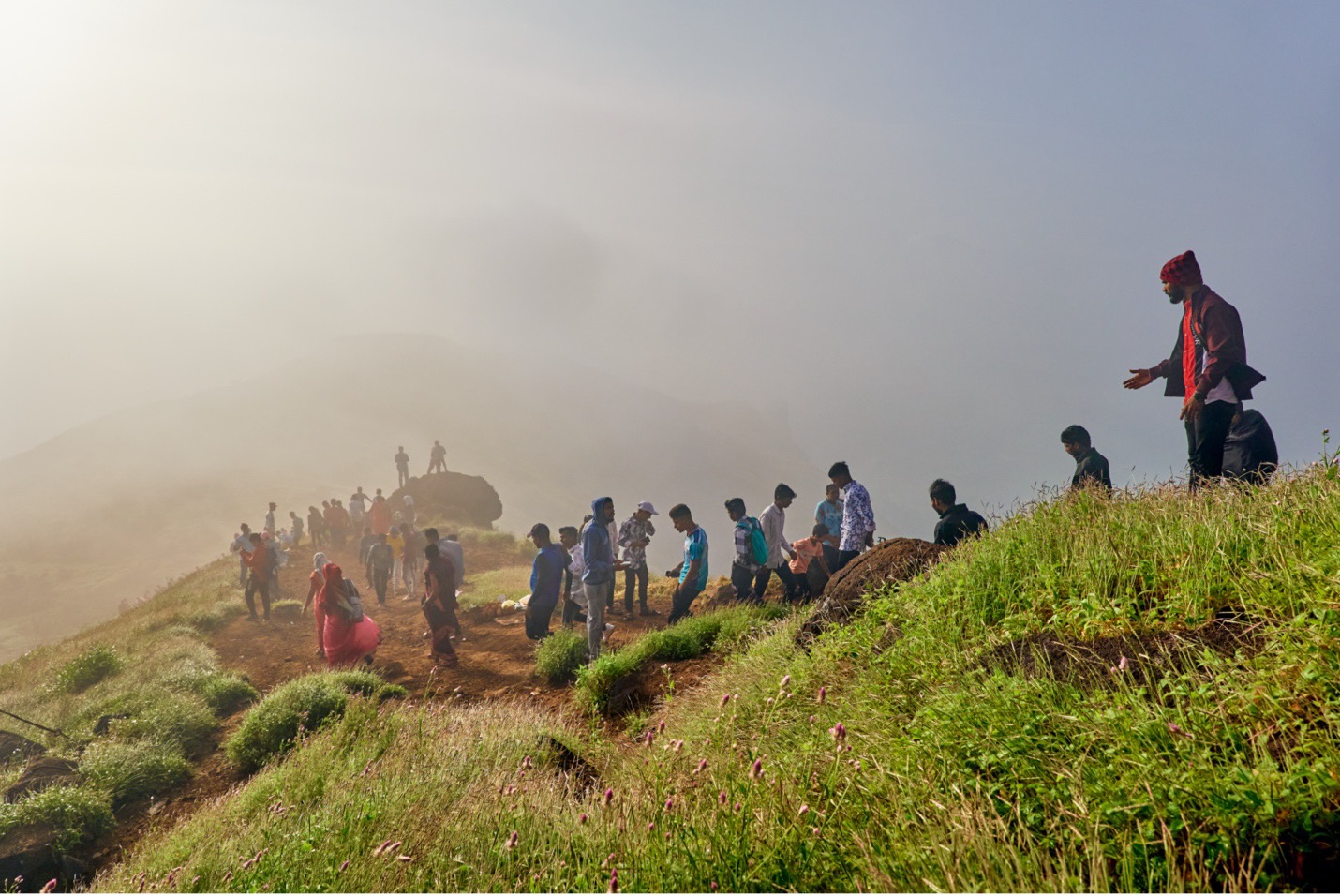
As adventure tourism grows, its economic benefits extend beyond the guides to the entire community. The impact includes:
This creates a sustainable economic model where tourism directly contributes to community development and long-term prosperity.
With proper training, guides now educate tourists on responsible trekking by:
By integrating adventure tourism with conservation efforts, the region benefits economically and environmentally, ensuring a sustainable future.
This initiative is not just a training program—it is a movement toward long-term community transformation. By investing in the skills of local youth, we are building a strong, self-sufficient workforce that will continue to drive economic growth and sustainable tourism.
With continued support, this model can be replicated in other trekking destinations, furtherbridging skill gaps and fostering rural employment.
The youth of Bari village are now leading the way, proving that adventure tourism can be a powerful tool for empowerment, economic development, and cultural preservation.
Explore perspectives on the work we do and ways to make an even greater impact together.
Explore how CSR in Aspirational Districts and Blocks can drive measurable impact through healthcare, livelihoods, education and infrastructure development.
Clean energy solutions across regions

GHE drives sustainable rural development by harnessing renewable energy and tourism to empower remote off-grid communities, providing innovative solutions that enhance livelihoods, promote sustainability, and foster economic growth through collaboration with local stakeholders.
Follow us on





0 Comments