
Why Rural Development in India Doesn’t Need Charity?
GHE Mar 31, 2026
 GHE
GHE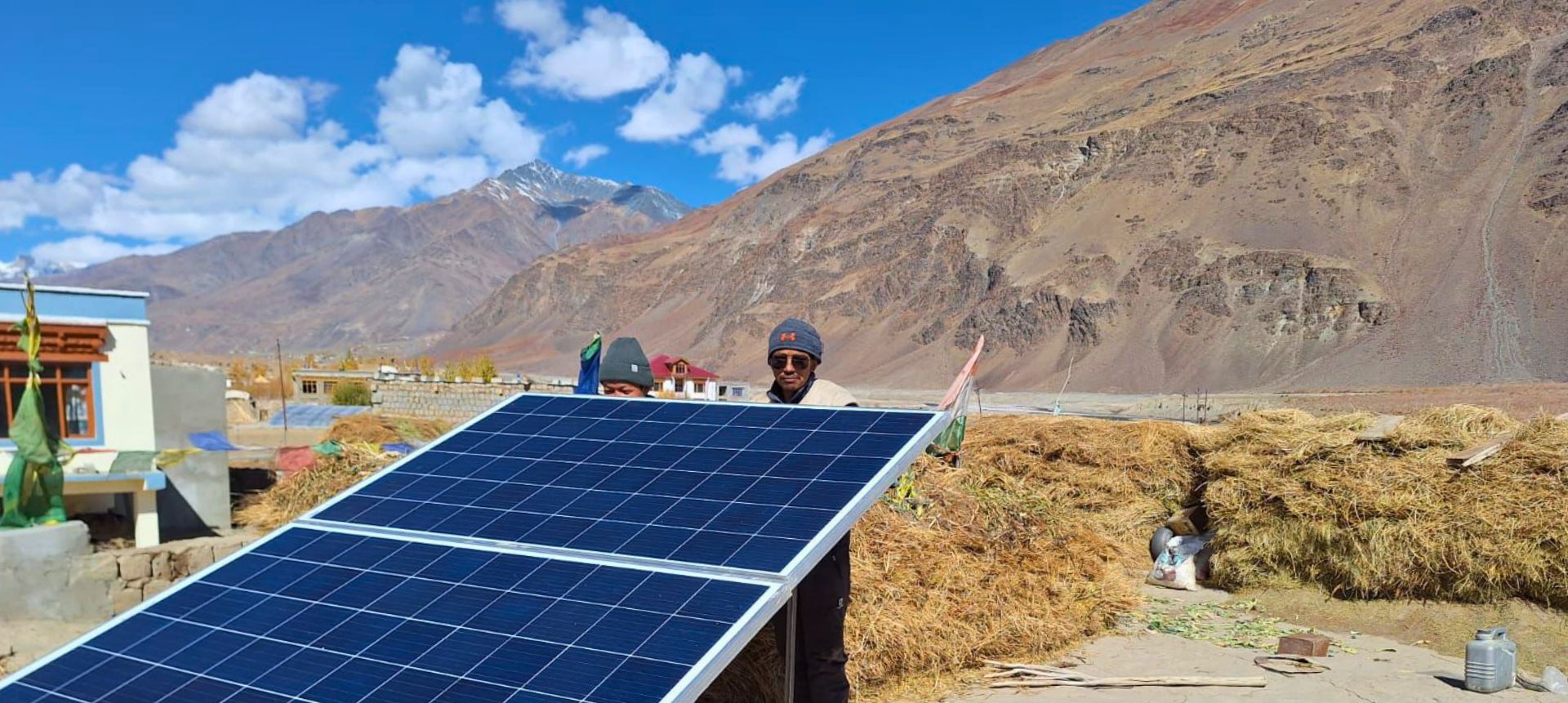
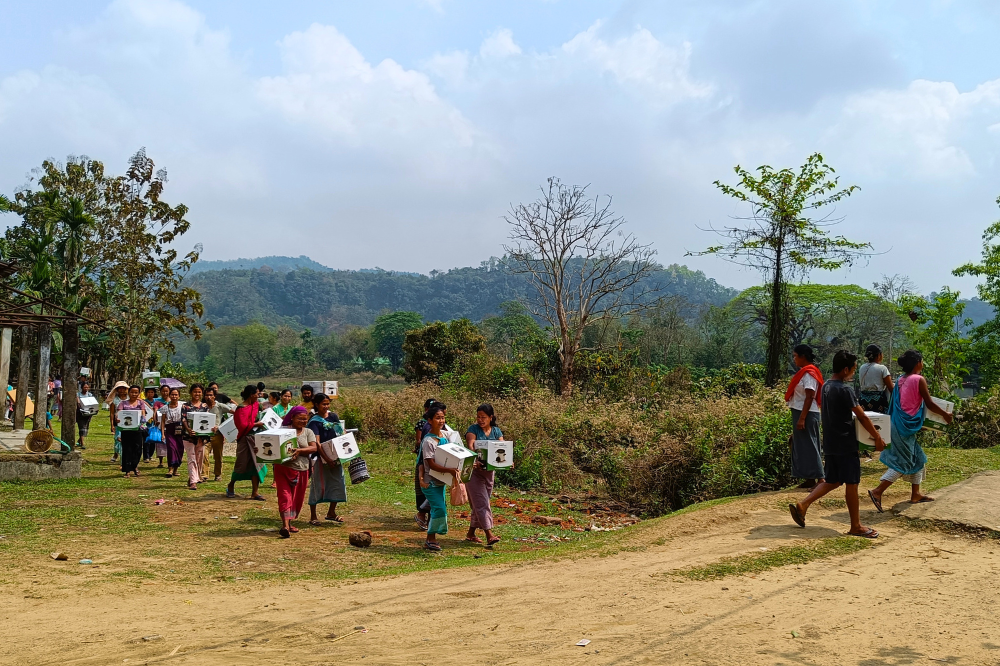
In remote parts of the Himalayas and Northeast India, GHE works with rural communities to improve access to energy and livelihoods. This work is not limited to providing solar power. It is built on a model that focuses on community ownership, local participation and long-term resilience.
These regions face overlapping challenges. Climate change, limited energy access and fragile ecosystems affect daily life. Any development approach here must respond to all three together.
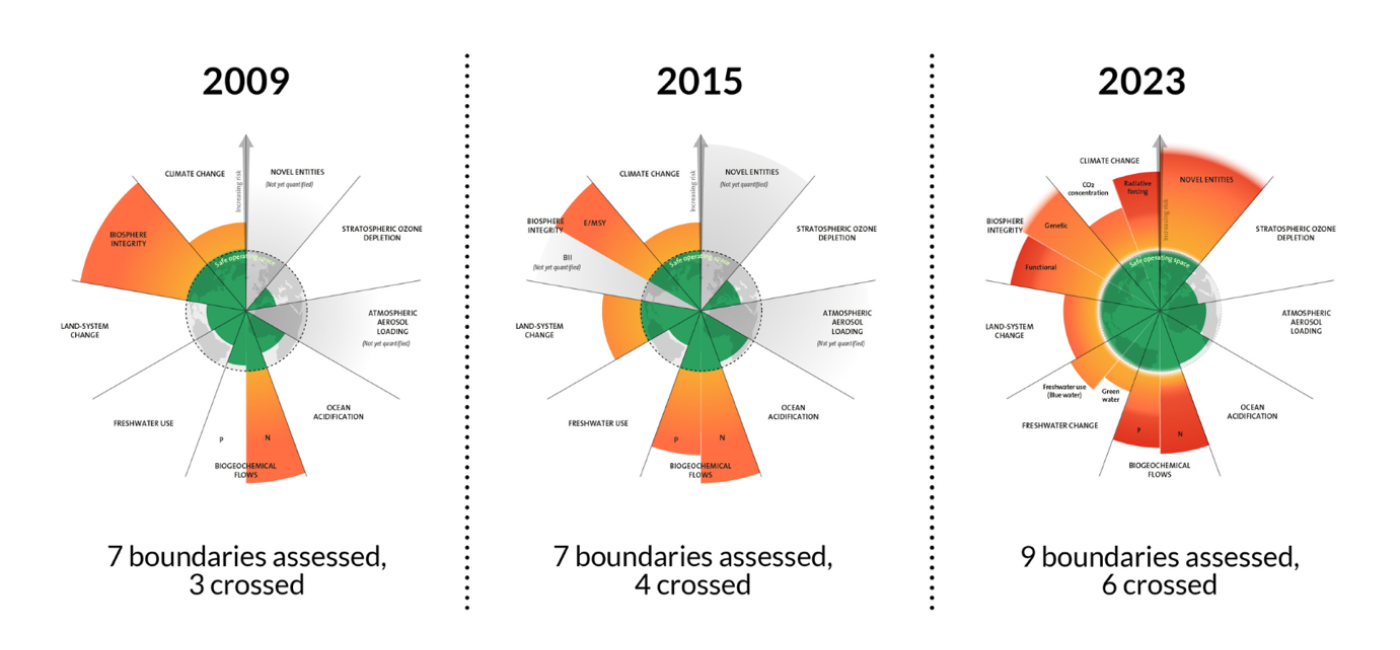
The Planetary Boundaries framework helps us understand how development can happen without damaging ecological systems. It defines limits within which humanity can meet its needs while maintaining balance in natural systems. GHE’s work shows that clean energy and community-led solutions can support development while staying within these limits.
Developed by the Stockholm Resilience Centre, the Planetary Boundaries framework identifies nine key Earth-system processes. These include climate change, freshwater use, land-system change and biodiversity loss. Together, they define a safe operating space for humanity.
A key gap in global climate discussions is that communities who contribute the least to environmental damage are often the most affected by it. GHE works at this intersection, where climate action and social equity must move together.
Its model is community-based and designed for local conditions. It offers a practical way to support development while respecting ecological limits.
Boundary at Risk: Atmospheric CO₂ levels and global temperature rise
GHE uses decentralized clean energy systems such as solar microgrids and clean cooking solutions. These replace kerosene lamps, diesel generators and firewood-based systems.
So far, more than 3000 households have been electrified through 1.3 MW of renewable energy installations. These systems power homes, schools, health centres and homestays. In addition, 85,000 households have access to improved cooking solutions, reducing firewood use and indoor smoke.
Planetary Alignment:
These interventions reduce emissions and improve energy access. They support both climate mitigation and adaptation while strengthening local resilience.
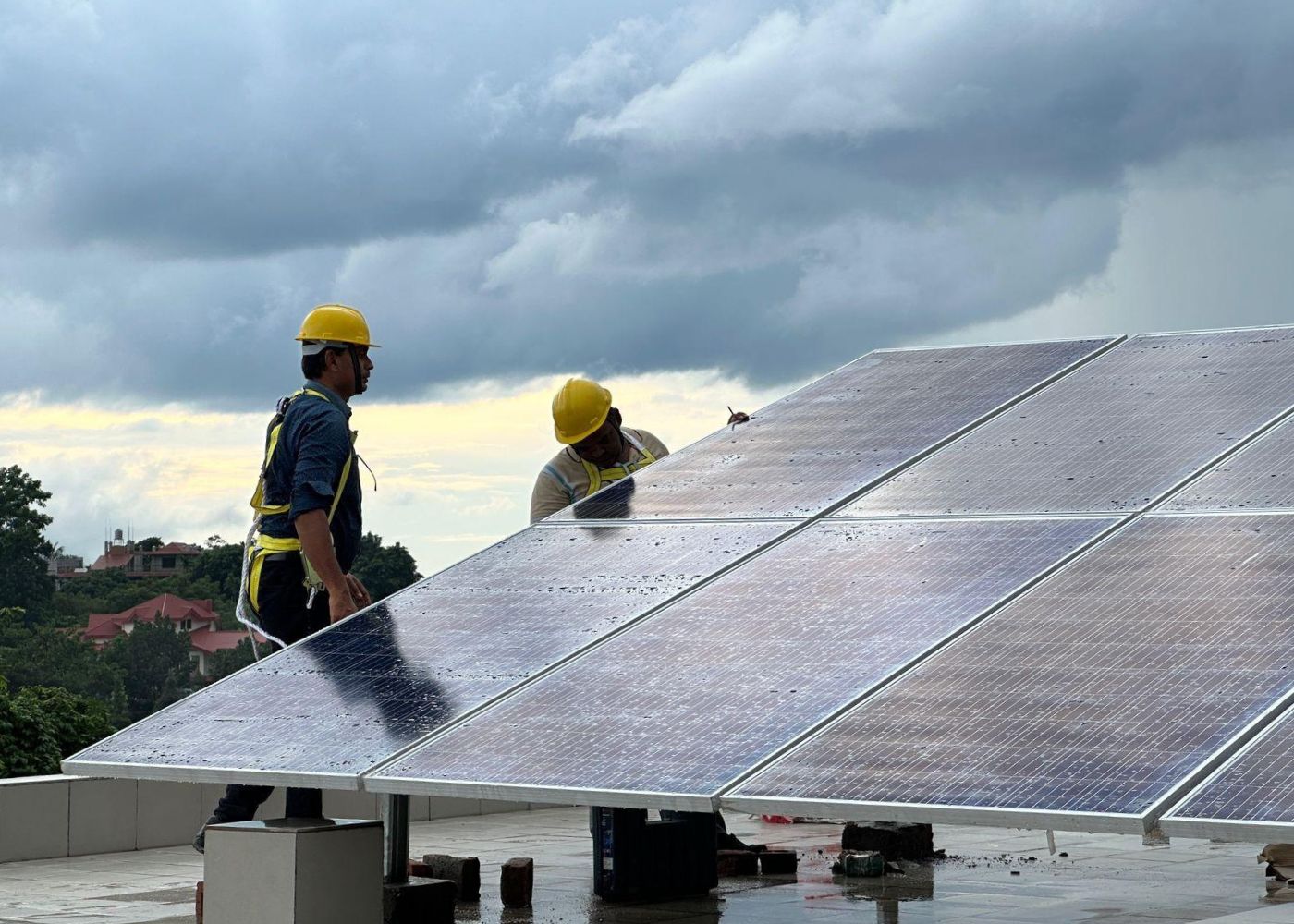
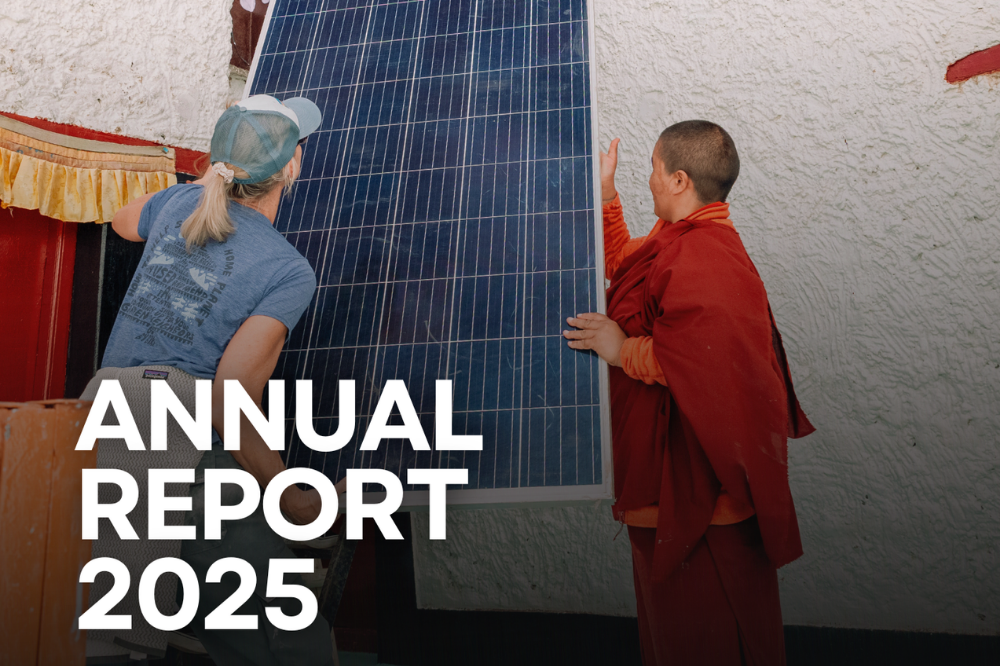
Solar Grids Powering up Remote offgrid regions
Boundary at Risk: Species loss and ecosystem disruption
In many rural regions, firewood has been the primary energy source. This has led to pressure on forests and gradual biodiversity loss.
GHE’s clean energy solutions reduce this dependence. Solar systems and improved stoves lower the need for firewood. At the same time, the organization works with communities to restore forests through agroforestry and plantation of native species.
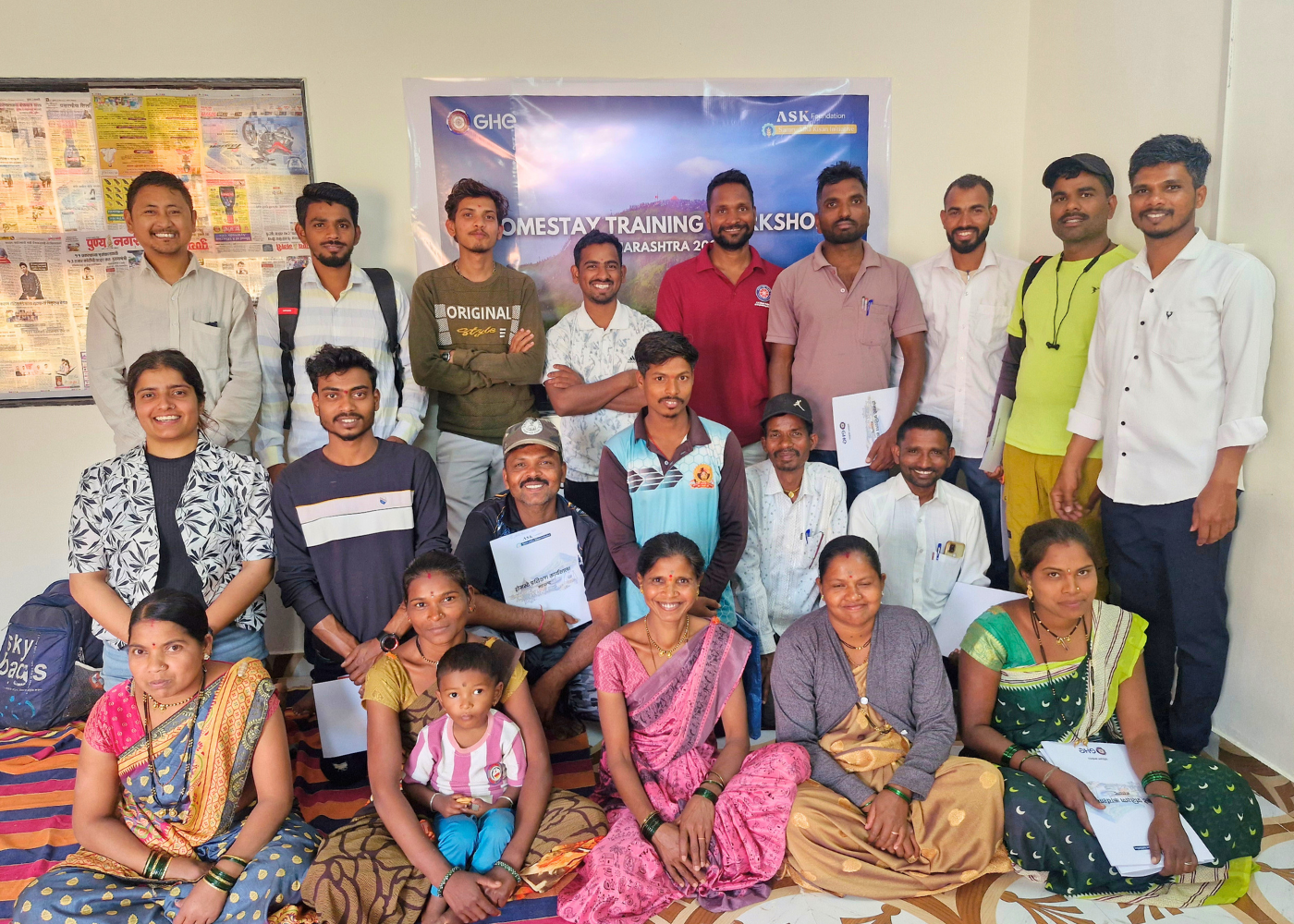
Community-based tourism also creates alternative income. This reduces reliance on extractive practices and encourages conservation of natural and cultural resources.
Planetary Alignment:
The approach supports biodiversity by reducing pressure on ecosystems and promoting sustainable land use.
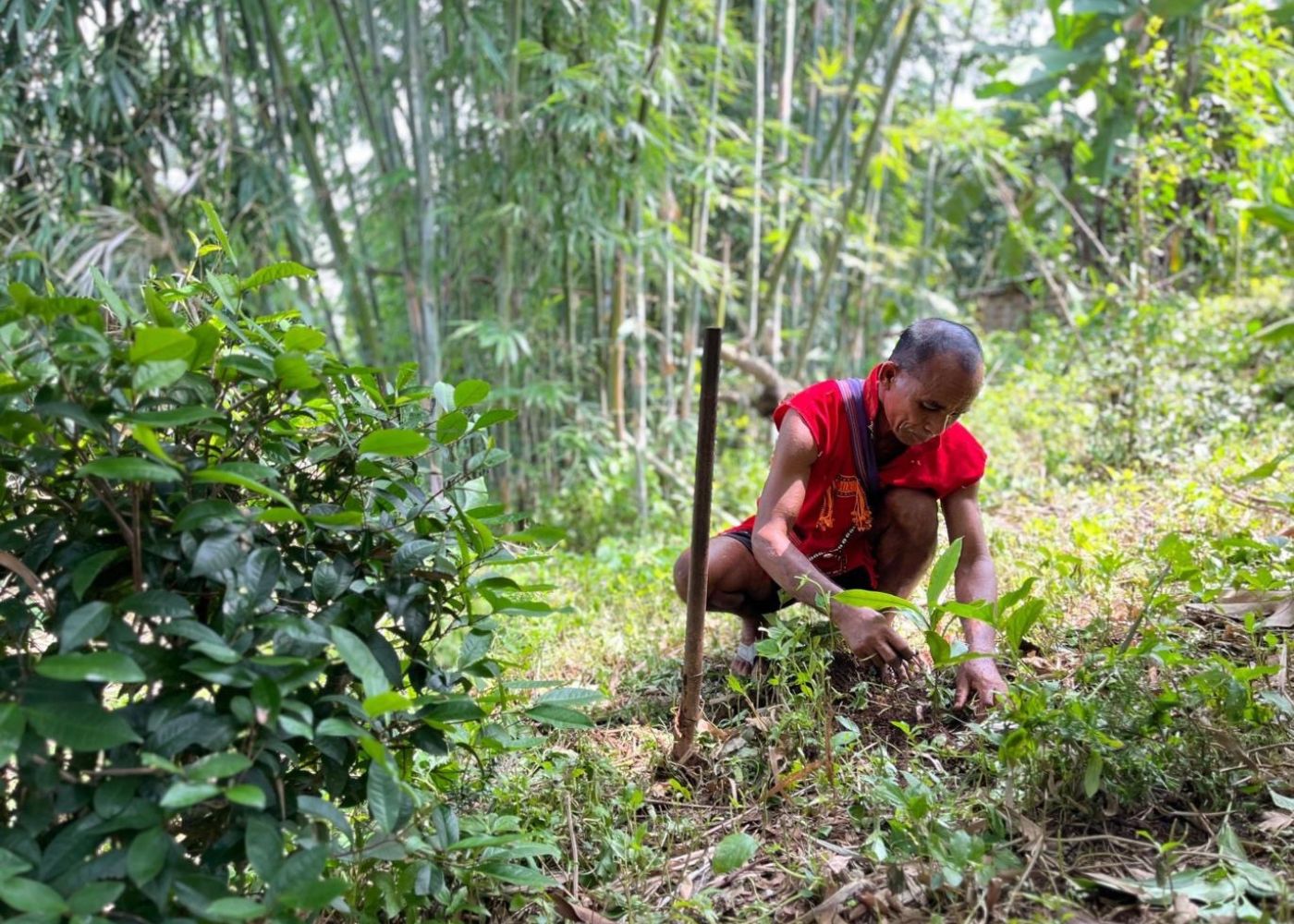
Replantation of Sacred Groves and creating Agroforestry Models
Boundary at Risk: Deforestation and land degradation
GHE’s infrastructure is designed to fit within existing village systems. Solar installations and tourism facilities are small-scale and locally managed. Agroforestry efforts focus on planting native species and maintaining traditional land-use practices. Homestays and rural tourism build on existing homes instead of creating large structures.
Planetary Alignment:
This approach supports development without large-scale land change, helping maintain ecological balance and local systems.
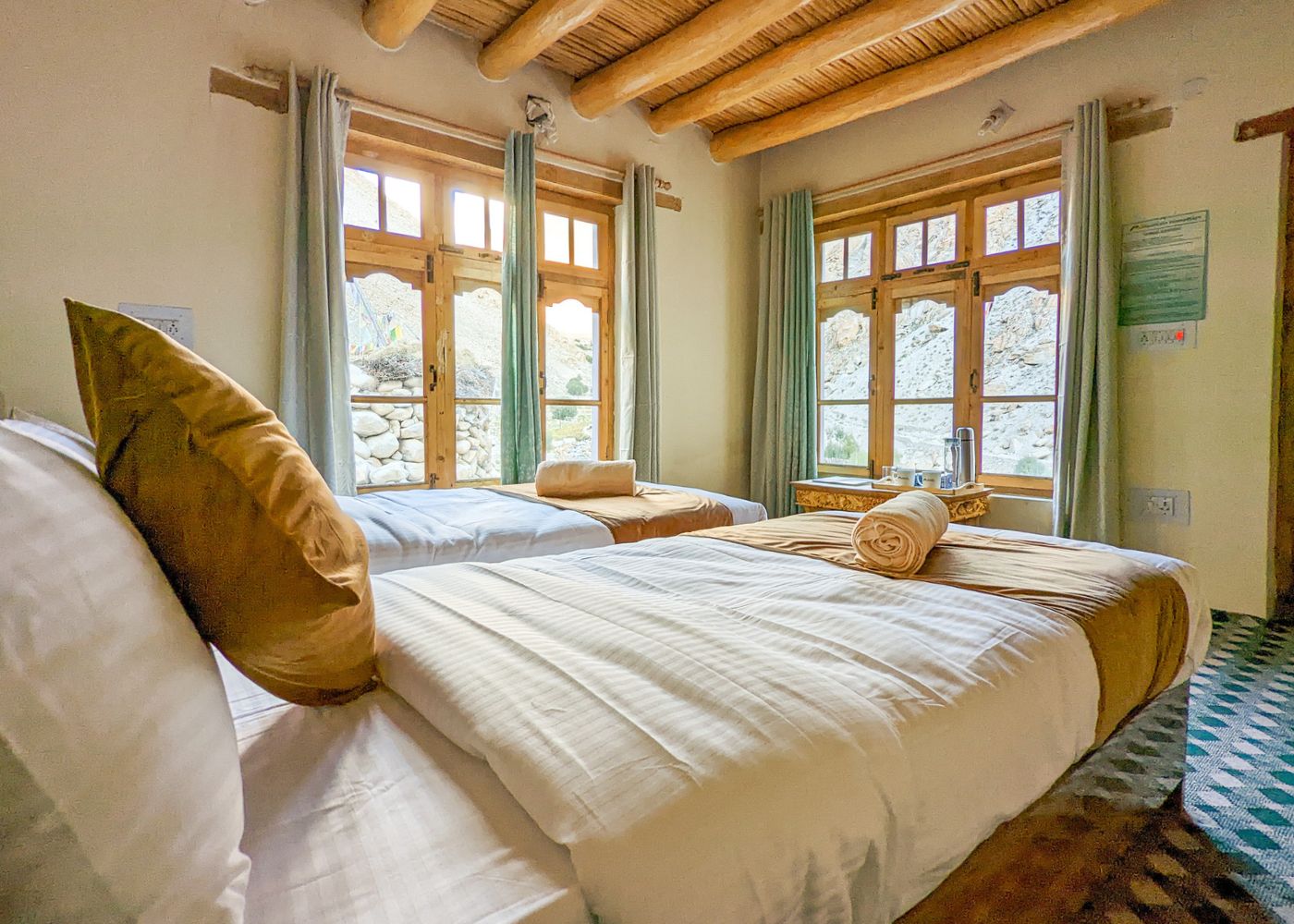
Sustainable Homestays powered by Clean Energy
Boundary at Risk: Overuse of freshwater systems
In many villages, access to safe water is limited. People often travel long distances to collect water from uncertain sources. Solar-powered water pumps and water heating systems improve access. These systems provide reliable and local solutions without increasing pressure on natural water sources. They also support health and sanitation, especially in schools and Anganwadi centres.
Planetary Alignment:
GHE’s approach improves access while encouraging responsible use, helping maintain balance in freshwater systems.
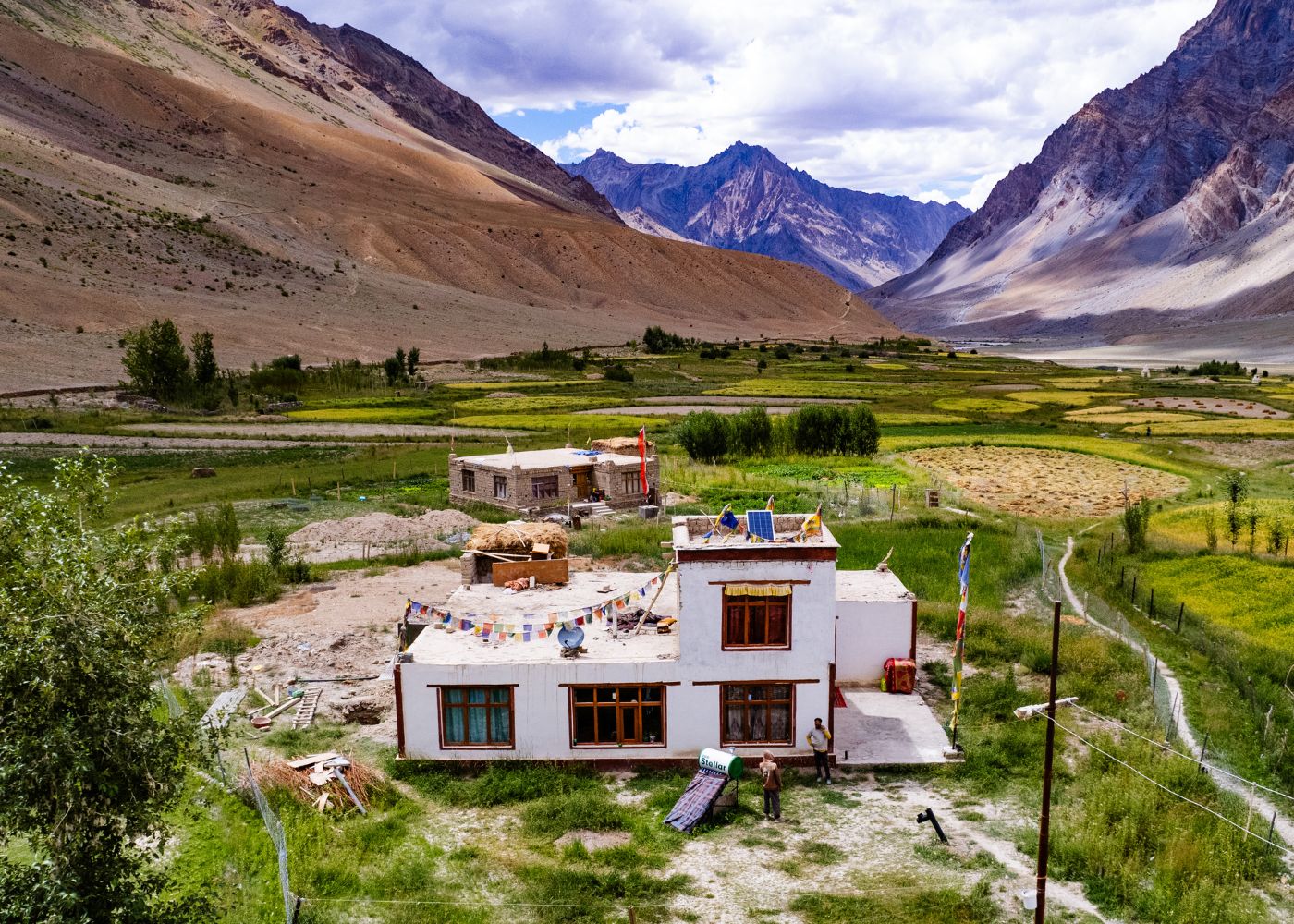
Solar Water Heaters to enable transition to cleaner energy
Boundary at Risk: Excessive release of nitrogen and phosphorus into ecosystems, leading to soil degradation, water pollution and disruption of natural nutrient cycles
Access to clean energy enables better agricultural practices. Solar dryers help preserve fruits, vegetables and herbs, reducing waste and avoiding chemical use. Energy access also allows local processing such as drying, grinding and packaging. This improves incomes and reduces dependence on external supply chains. Through tourism, local food systems are strengthened by promoting seasonal and indigenous ingredients.
Planetary Alignment:
These practices reduce reliance on high-input agriculture and support nutrient cycles within safe limits.
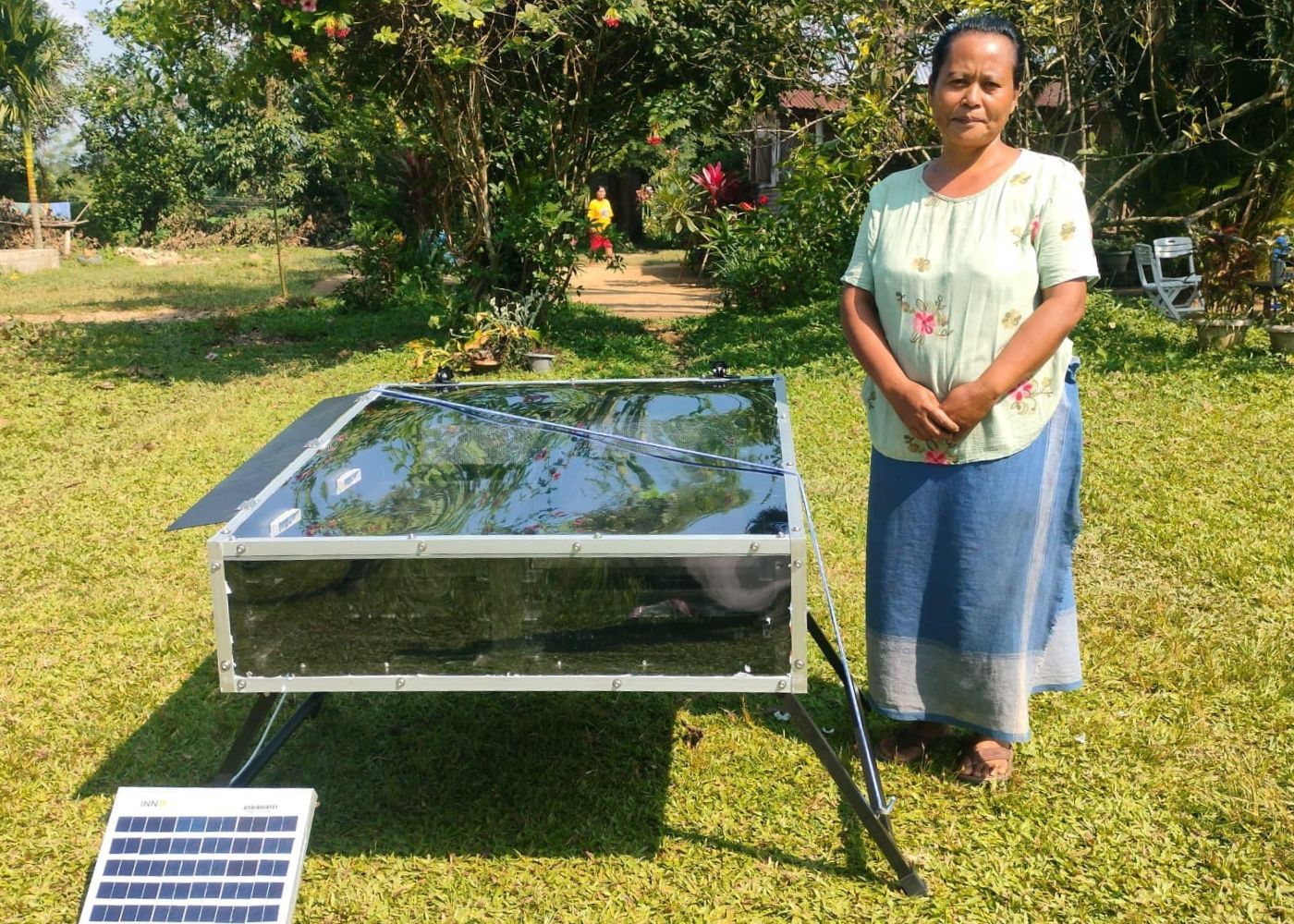
Women SHG Groups equipped with Solar Dryers
Boundary at Risk: Air pollution and particulate matter
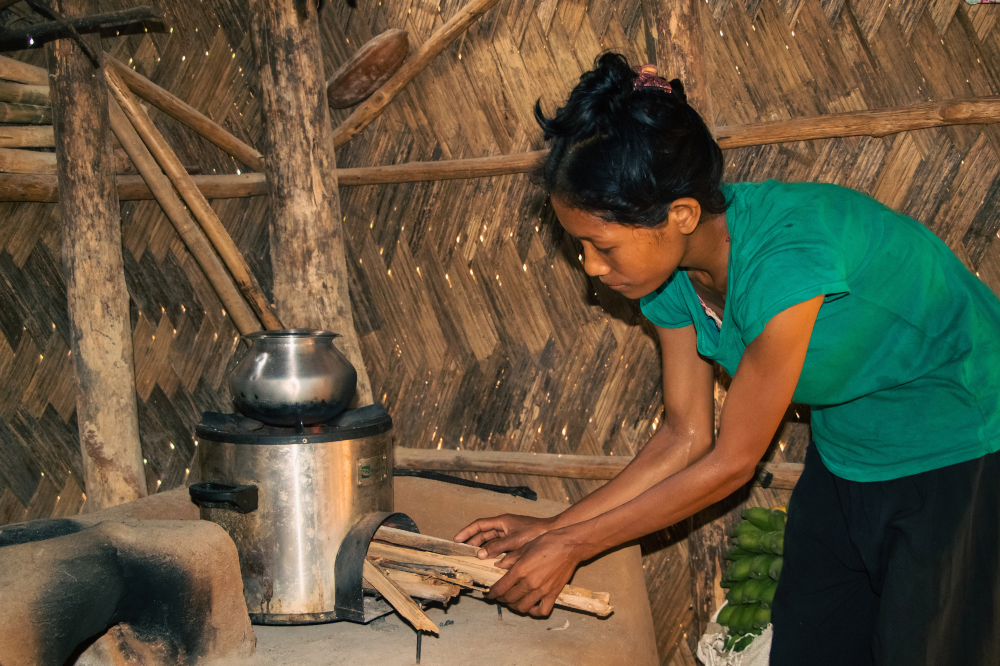
Traditional cooking methods produce high levels of smoke and pollutants. This affects health, especially for women and children. GHE promotes solar lighting and improved cookstoves. These reduce smoke and improve indoor air quality.
Planetary Alignment:
Lower emissions improve health outcomes and reduce environmental impact, including effects on glaciers and regional climate.
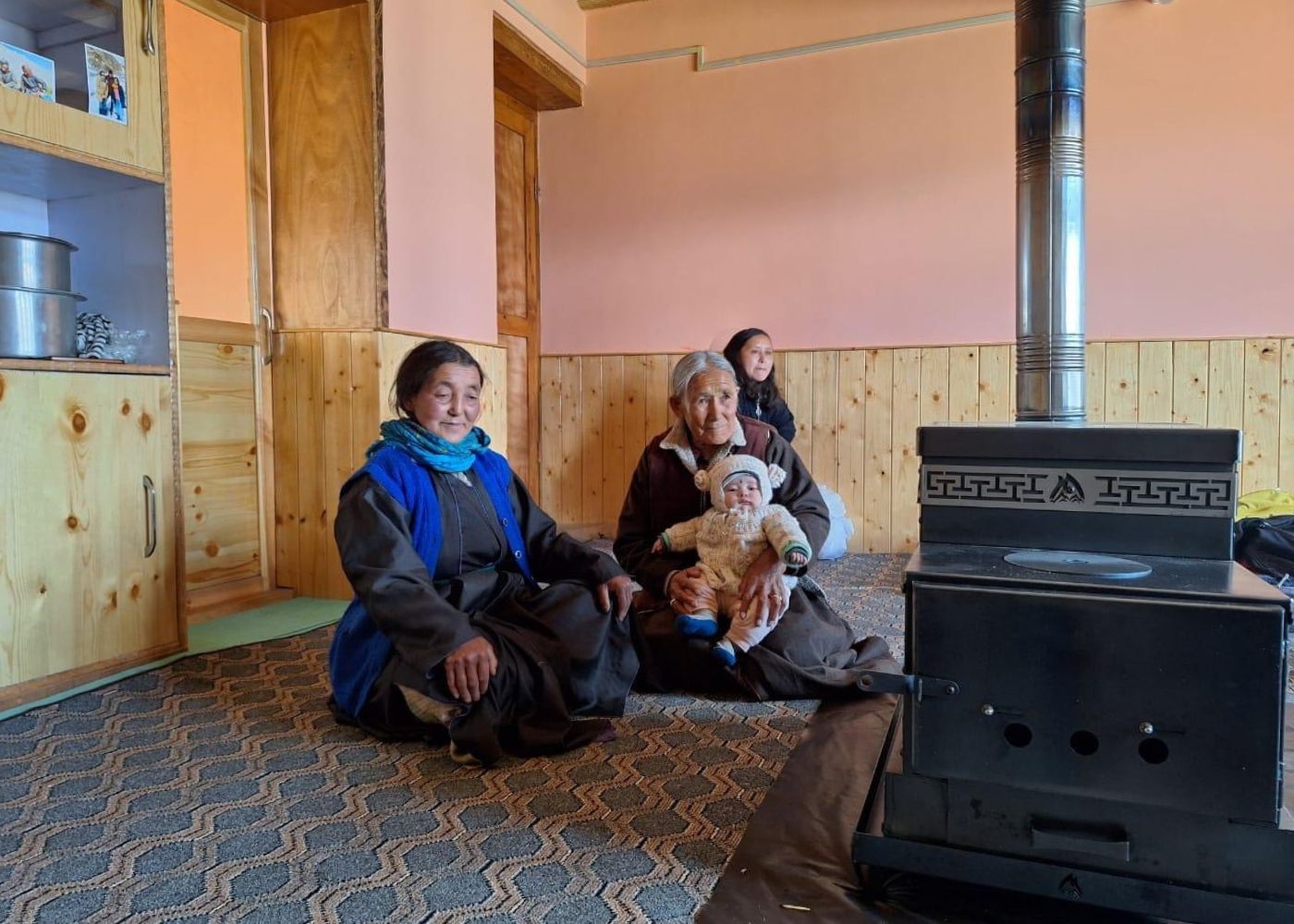
Improved Rocket stoves reducing biomass consumption by 60% and smoke by 90%
Boundary at Risk: Increased CO₂ absorption by oceans
GHE’s work reduces carbon emissions by replacing fossil fuels and biomass with solar energy. The impact extends beyond local areas. Himalayan ecosystems feed major river systems such as the Ganges, Brahmaputra and Indus. These rivers connect to the ocean. Reducing emissions and protecting watersheds helps maintain balance across these linked systems.
Planetary Alignment:
By reducing CO₂ and protecting upstream ecosystems, GHE contributes to broader climate stability.
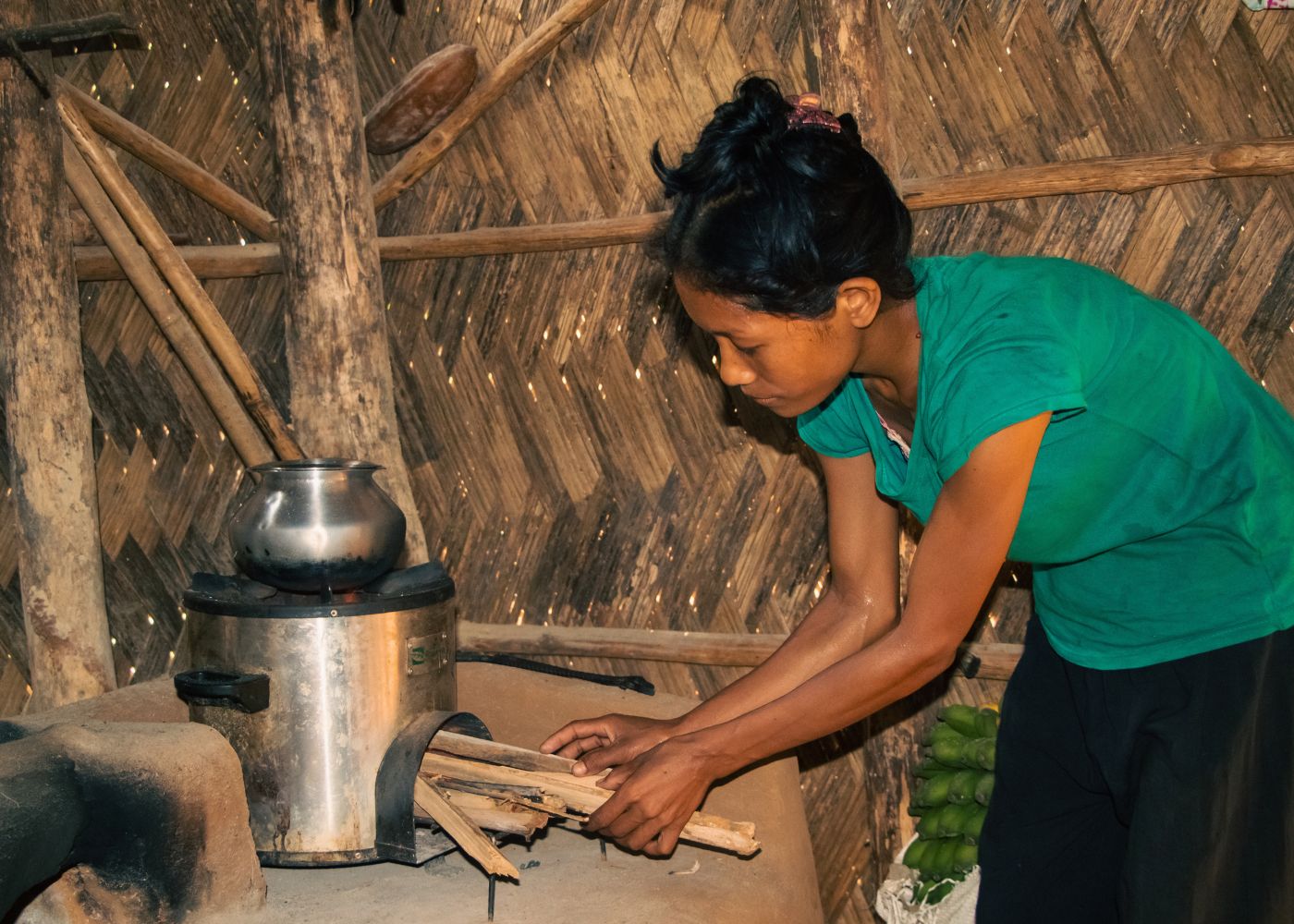
Clean Cooking Solutions for Rural Communities
GHE’s work shows that development within ecological limits is possible. It is based on local ownership, practical solutions and long-term thinking. Clean energy and livelihoods are not treated as separate goals. They are part of the same system that supports both people and the environment.
The key question is simple:
How can development improve lives without damaging natural systems?
Across the Himalayas and Northeast India, communities are already working towards this balance. Their approach offers a model for climate-resilient development that is grounded, practical and scalable.
Explore perspectives on the work we do and ways to make an even greater impact together.

GHE drives sustainable rural development by harnessing renewable energy and tourism to empower remote off-grid communities, providing innovative solutions that enhance livelihoods, promote sustainability, and foster economic growth through collaboration with local stakeholders.
Follow us on






0 Comments