Beyond Rural Development
Explore how CSR in Aspirational Districts and Blocks can drive measurable impact through healthcare, livelihoods, education and infrastructure development.
 GHE
GHE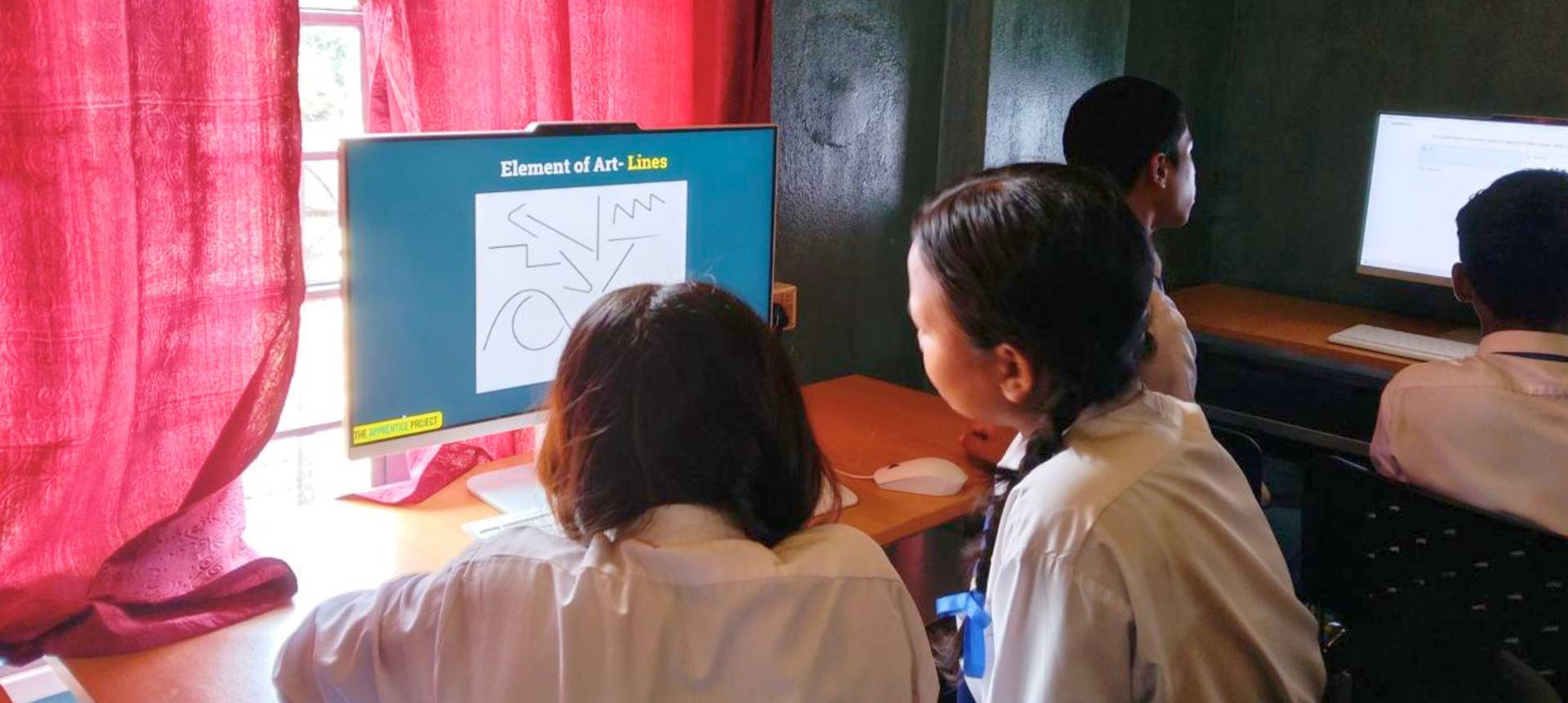
India’s development trajectory is increasingly shaped by targeted interventions in regions where growth opportunities remain significant but developmental gaps continue to exist. Through the Aspirational Districts Programme (ADP) and Aspirational Blocks Programme (ABP), the Government of India has created a framework that focuses on improving outcomes across education, healthcare, livelihoods, infrastructure and governance.
For the corporate sector, these geographies present a strategic opportunity for CSR investment. They offer the ability to create measurable outcomes, align with national development priorities and contribute to long-term social and economic progress.
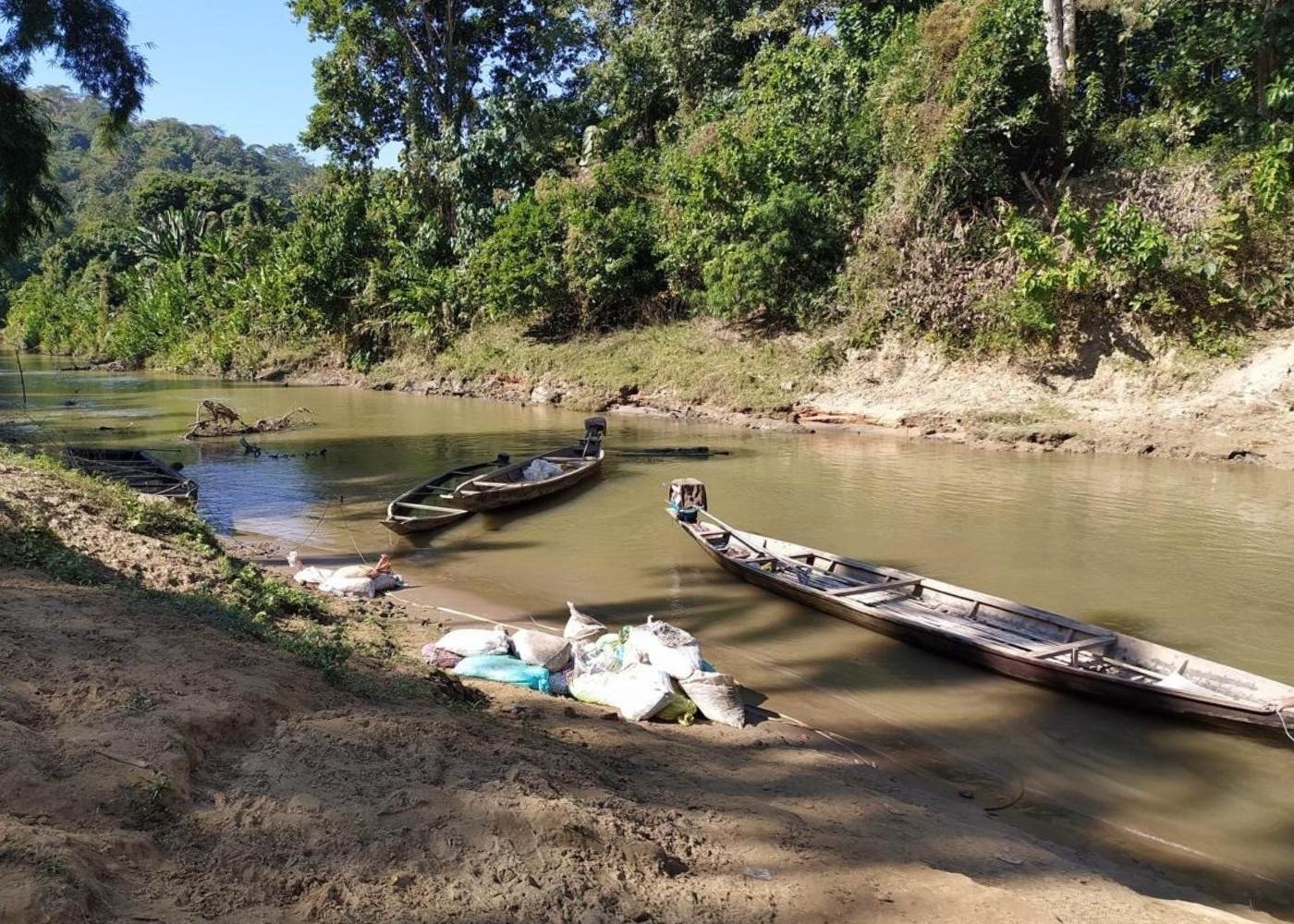
Boats anchored along the riverbank, the only link to remote villages in Northeast India without road access
Aspirational Districts and Blocks offer one of India’s strongest opportunities for high-impact, measurable CSR investments.
Launched in 2018, the Aspirational Districts Programme identified districts requiring accelerated development across key socio-economic indicators. In 2023, the Aspirational Blocks Programme extended this approach to the block level, enabling more localised planning and implementation.
These regions are selected based on measurable development indicators rather than the absence of opportunity. In many cases, communities possess strong social capital, local leadership and economic potential but continue to face constraints related to infrastructure, service delivery, market access and institutional capacity.
Schools may require digital infrastructure to improve learning outcomes. Healthcare facilities may need reliable energy systems and essential equipment. Producer groups may require stronger market linkages. Young people may need access to skills and employment pathways. Addressing these gaps can significantly improve development outcomes while strengthening local systems.
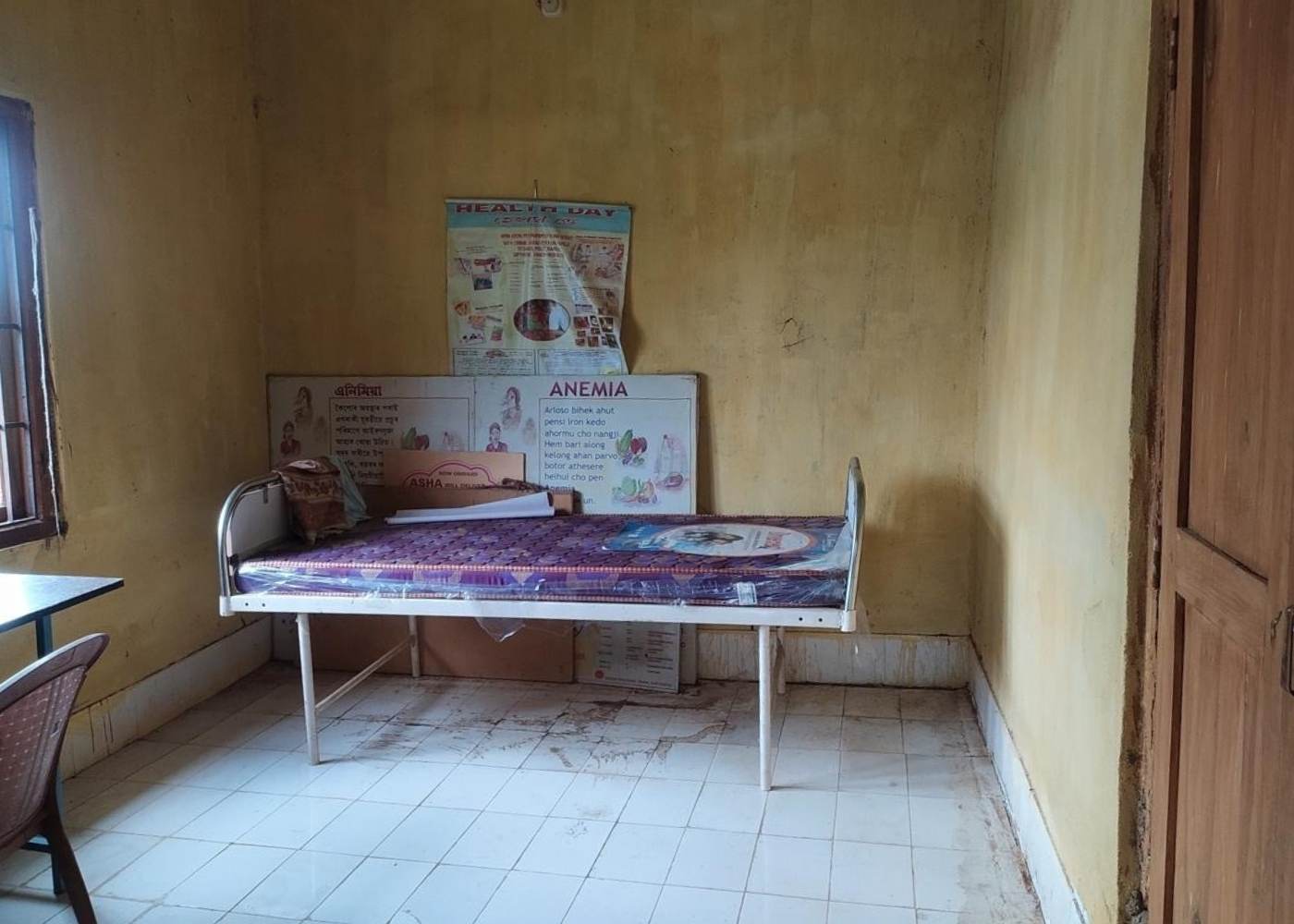
Interior of a health sub-centre requiring infrastructure upgrades to improve maternal healthcare and support institutional deliveries
Aspirational districts and blocks offer an environment where CSR investments can generate outcomes across multiple sectors simultaneously. Development challenges in these regions are often interconnected, making integrated interventions particularly effective.
Improving access to clean energy can support healthcare services, strengthen educational infrastructure and enhance local enterprise productivity. Livelihood programmes can increase household incomes while strengthening local value chains. Skill development initiatives can support employment generation and entrepreneurship within local economies.
This interconnected nature of development creates opportunities for CSR programmes to deliver measurable and long-term impact while contributing to broader development goals.
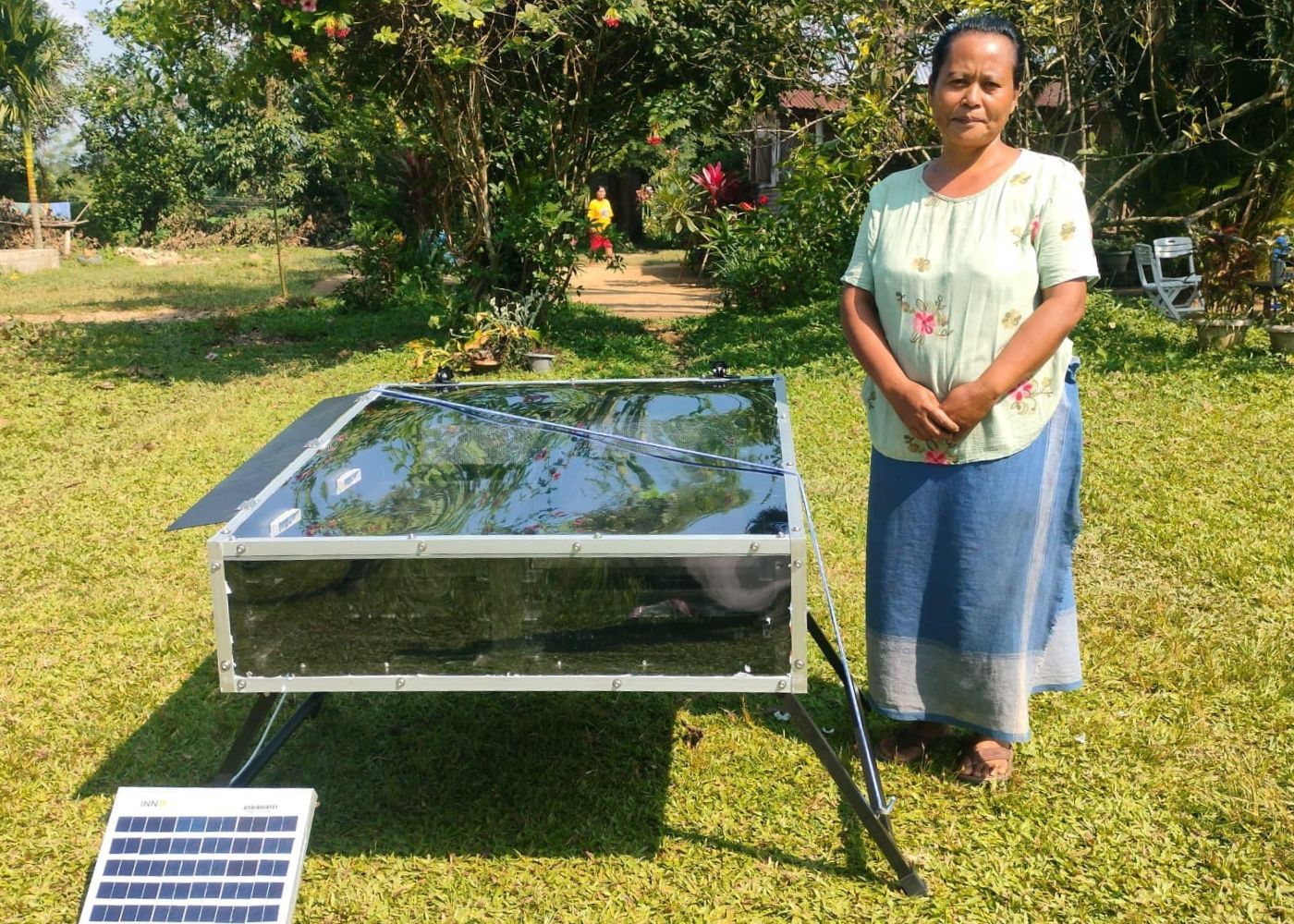
Women SHG Groups equipped with Solar Dryers
Northeast India represents an important geography within India’s development ecosystem. The region is characterised by strong community institutions, rich natural resources, indigenous knowledge systems and diverse economic opportunities.
However, many areas continue to face challenges related to connectivity, infrastructure, market integration and climate-sensitive livelihoods. These factors can limit economic opportunities despite strong local capacity and community participation.
For CSR programmes, the Northeast offers opportunities to support sustainable livelihoods, strengthen public infrastructure, improve access to essential services and build local economic resilience. Investments in these areas often create benefits that extend across communities and sectors.
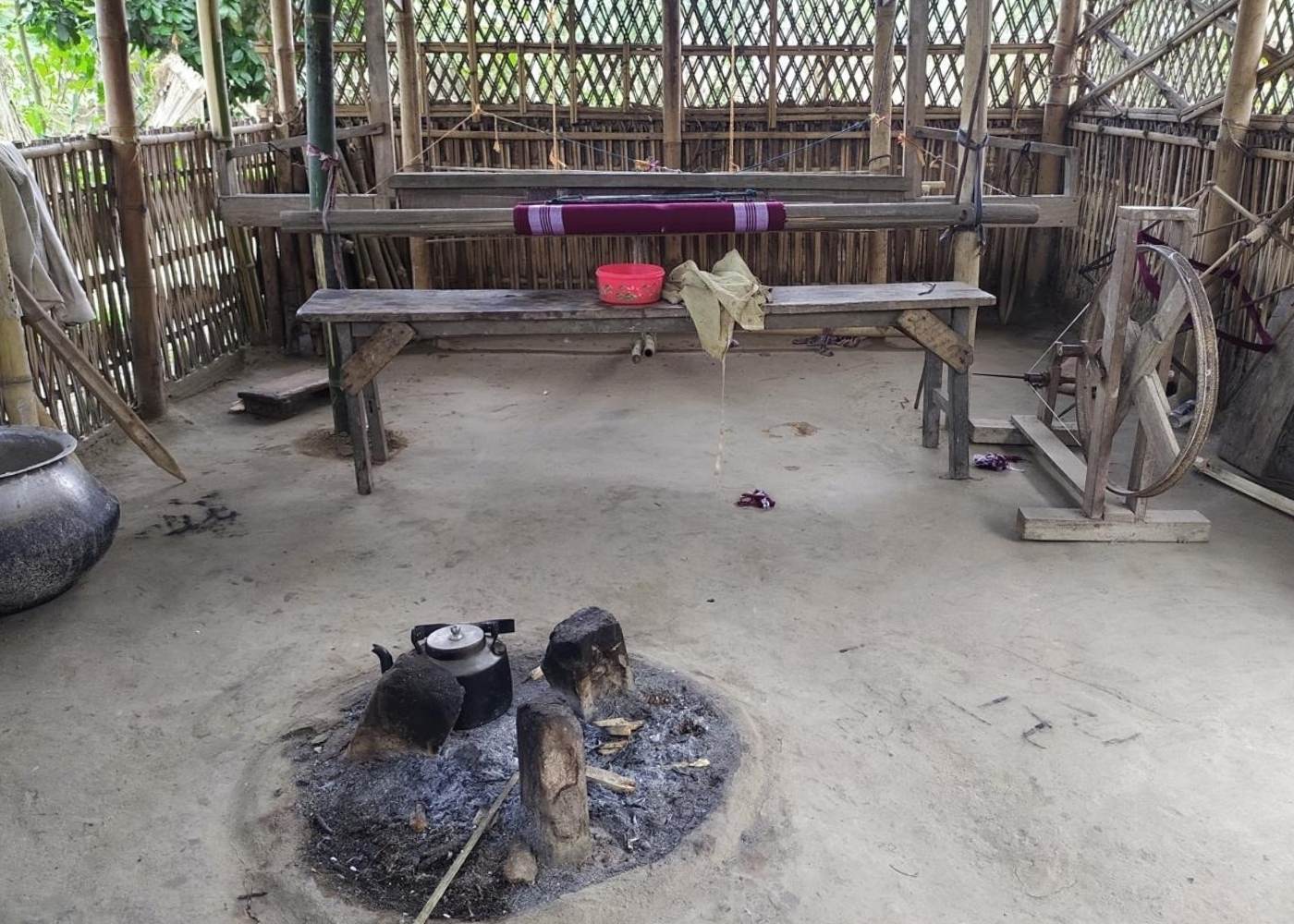
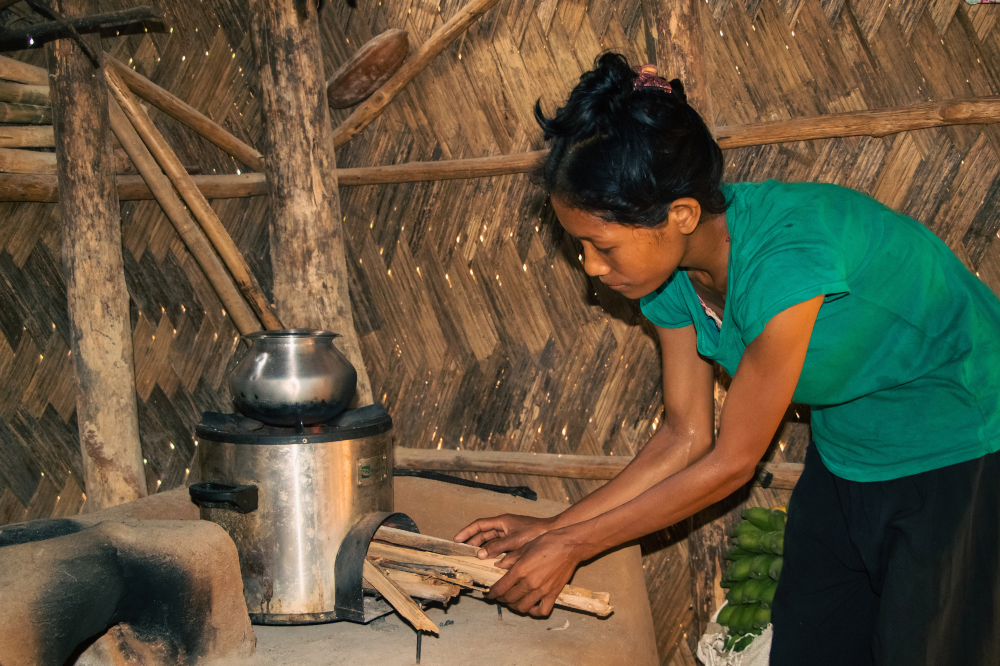
A traditional cookstove and handloom reflect the dual role of women in managing households and sustaining livelihoods
Sustainable outcomes require more than standalone projects. Long-term impact depends on collaboration between communities, local institutions, government systems and implementation partners.
Across aspirational geographies, effective development models are built through engagement with district administrations, block-level institutions, village councils, self-help groups and community leaders. This approach ensures that interventions address local priorities while strengthening institutional systems.
Whether the focus is healthcare, education, clean energy, livelihoods or digital inclusion, programmes that are embedded within existing governance and community structures are more likely to achieve sustained outcomes.
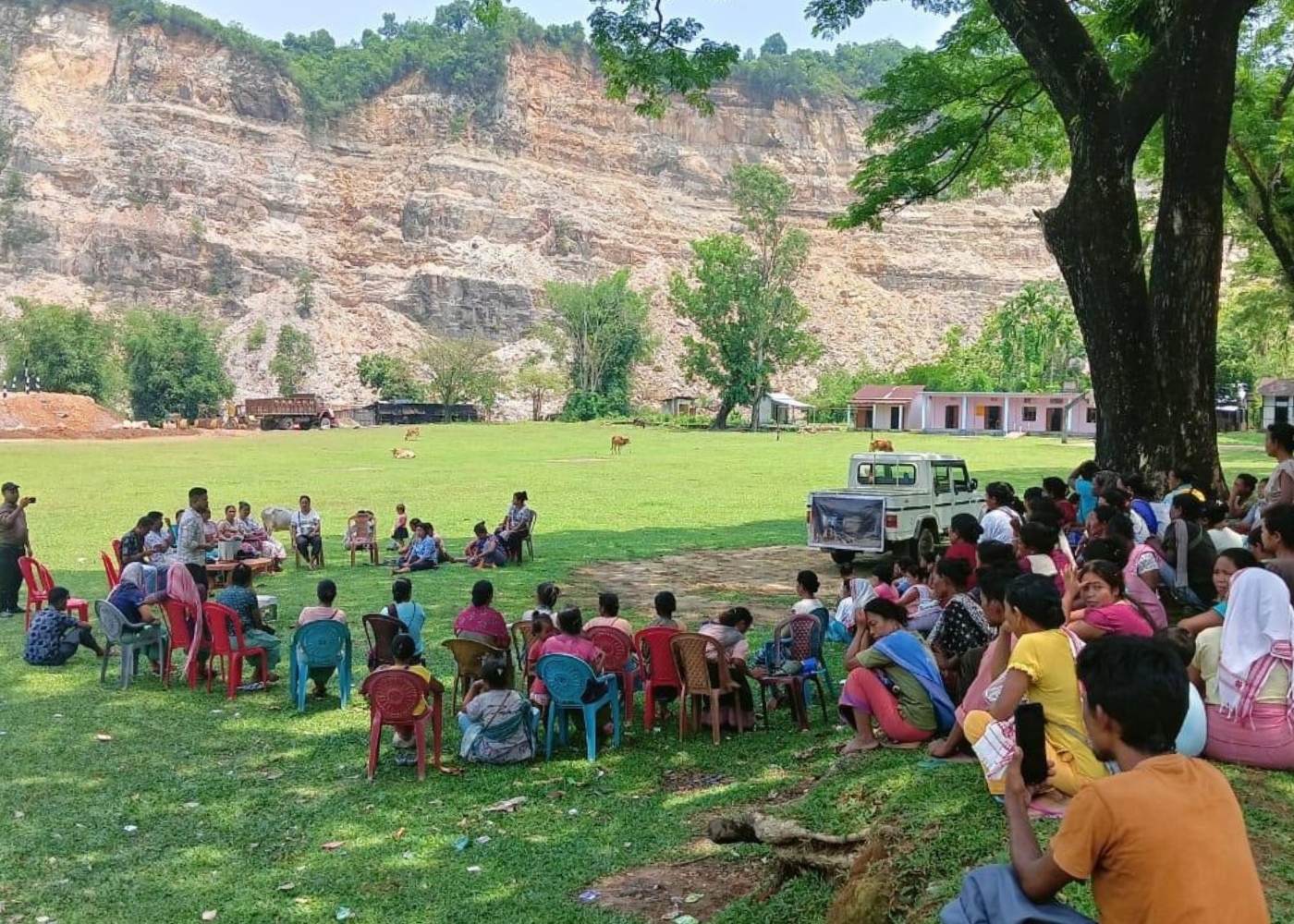
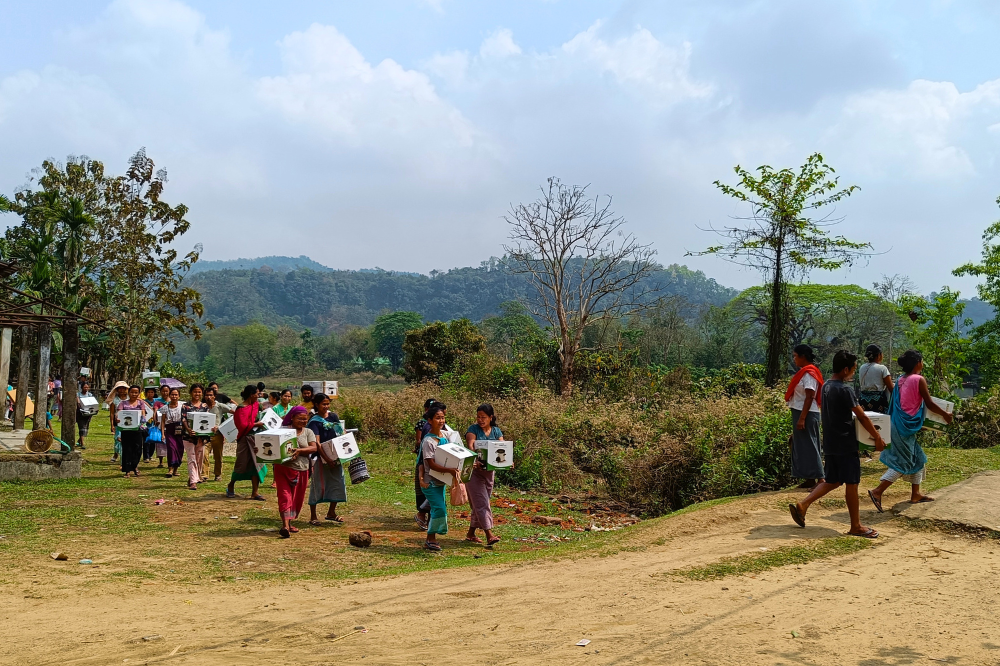
Building trust through grassroots institutions remains at the heart of GHE’s sustainable development approach
Lasting CSR impact comes from strengthening local systems, institutions and community capacity, not just creating assets.
The CSR landscape is increasingly shifting from asset creation toward systems strengthening. This requires moving beyond isolated interventions and focusing on outcomes that can be sustained over time.
A school infrastructure project should contribute to improved learning outcomes. Livelihood programmes should strengthen market access and enterprise development. Investments in childcare facilities should support nutrition, early learning and frontline service delivery.
By adopting an integrated approach, CSR can contribute to lasting improvements in service delivery, economic participation and community development.
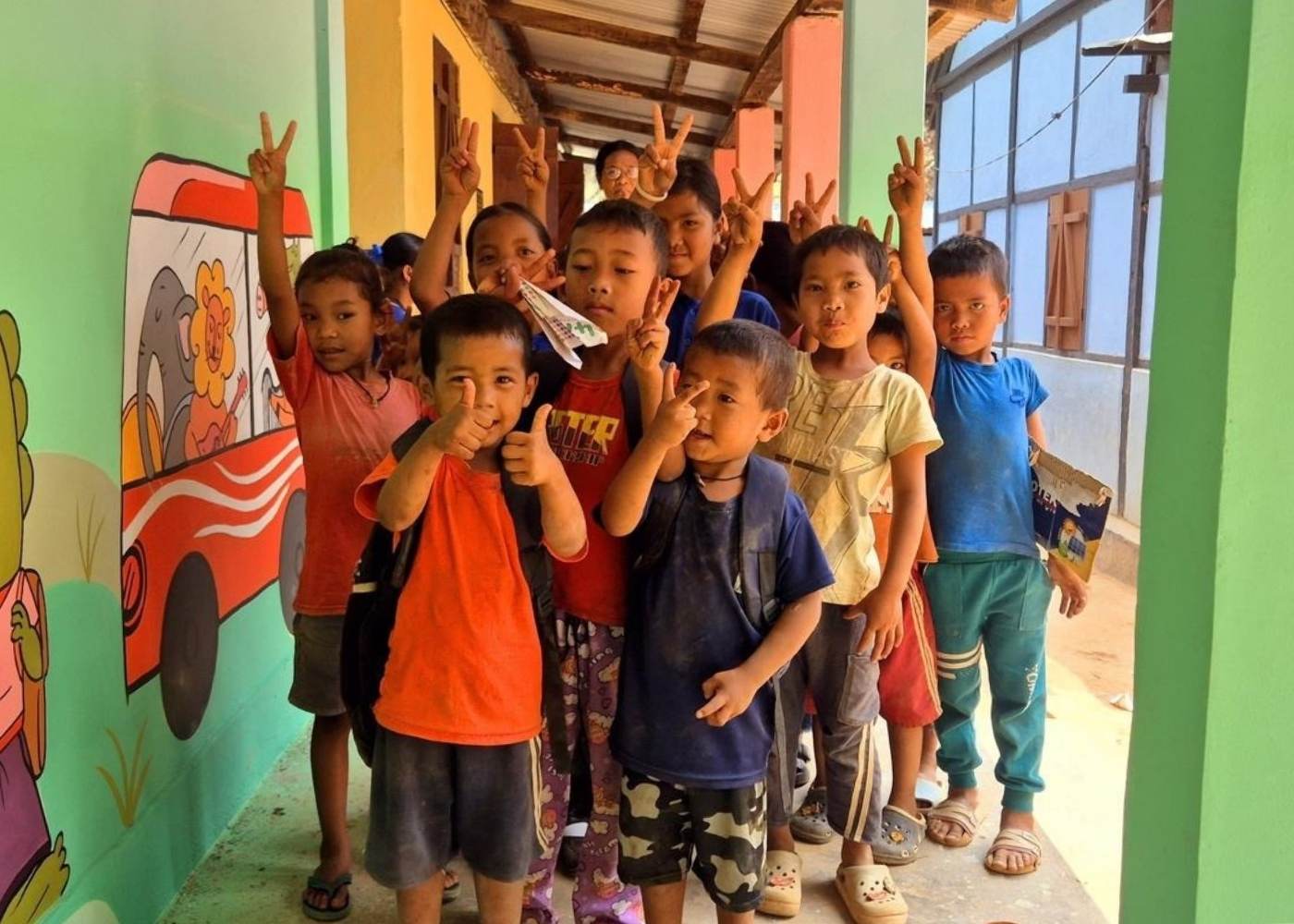
Happy children at upgraded Anganwadi centres, where better infrastructure and learning spaces support higher attendance and early childhood development
Aspirational districts and blocks are becoming increasingly important within India’s development framework. Supported by data-driven monitoring, policy attention and institutional convergence, these geographies provide a structured environment for high-impact CSR investment.
As organisations seek greater accountability, measurable outcomes and long-term value creation, aspirational regions offer an opportunity to support development at scale while contributing to inclusive growth. The most effective interventions will be those that strengthen systems, build local capacity and create pathways for sustained social and economic progress.
Explore perspectives on the work we do and ways to make an even greater impact together.
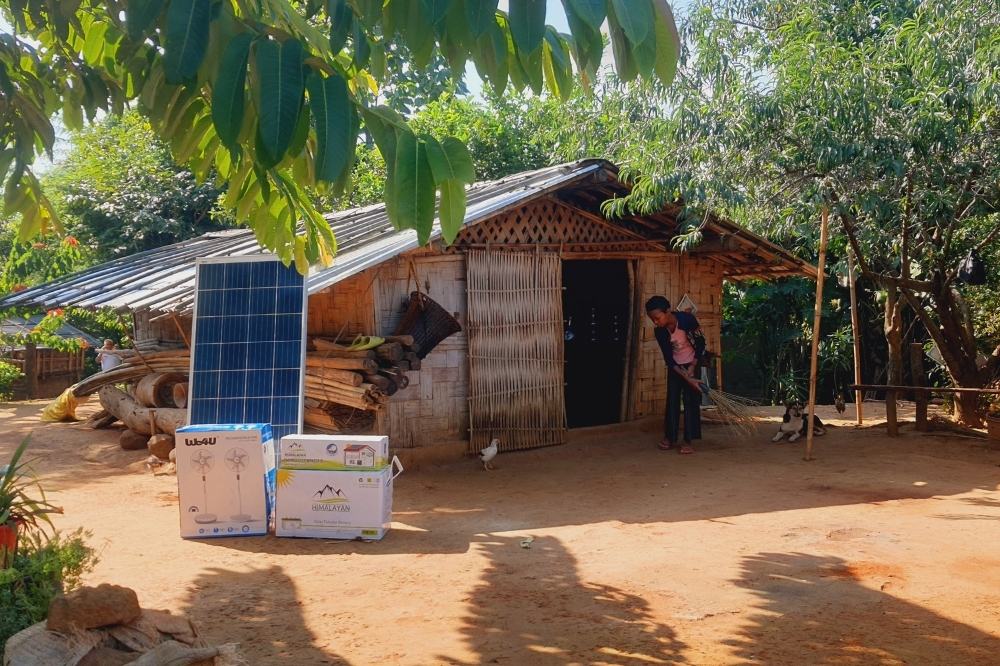
Explore how CSR in Aspirational Districts and Blocks can drive measurable impact through healthcare, livelihoods, education and infrastructure development.
Clean energy solutions across regions

GHE drives sustainable rural development by harnessing renewable energy and tourism to empower remote off-grid communities, providing innovative solutions that enhance livelihoods, promote sustainability, and foster economic growth through collaboration with local stakeholders.
Follow us on







0 Comments