Beyond Rural Development
Explore how CSR in Aspirational Districts and Blocks can drive measurable impact through healthcare, livelihoods, education and infrastructure development.
 GHE
GHE
For decades, rural development in India has been driven by charity-led approaches such as subsidies, donations and aid programs. While these interventions have addressed immediate challenges, they have also shaped a narrative that rural communities are dependent rather than capable. This narrative limits long-term growth and prevents meaningful economic integration.
Rural India today does not require continued assistance alone. It requires structured access to markets that can support sustainable livelihoods and long-term development.
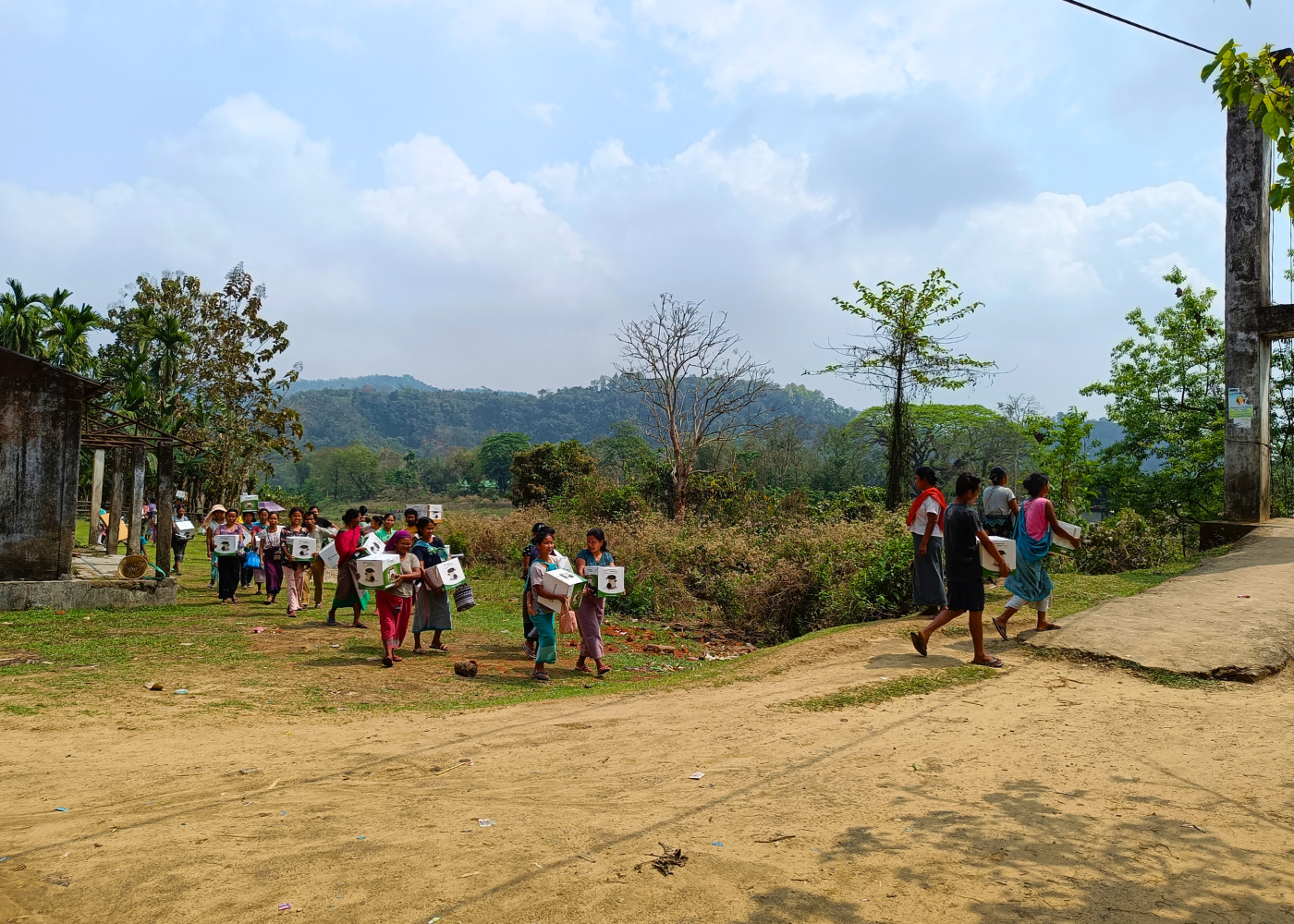
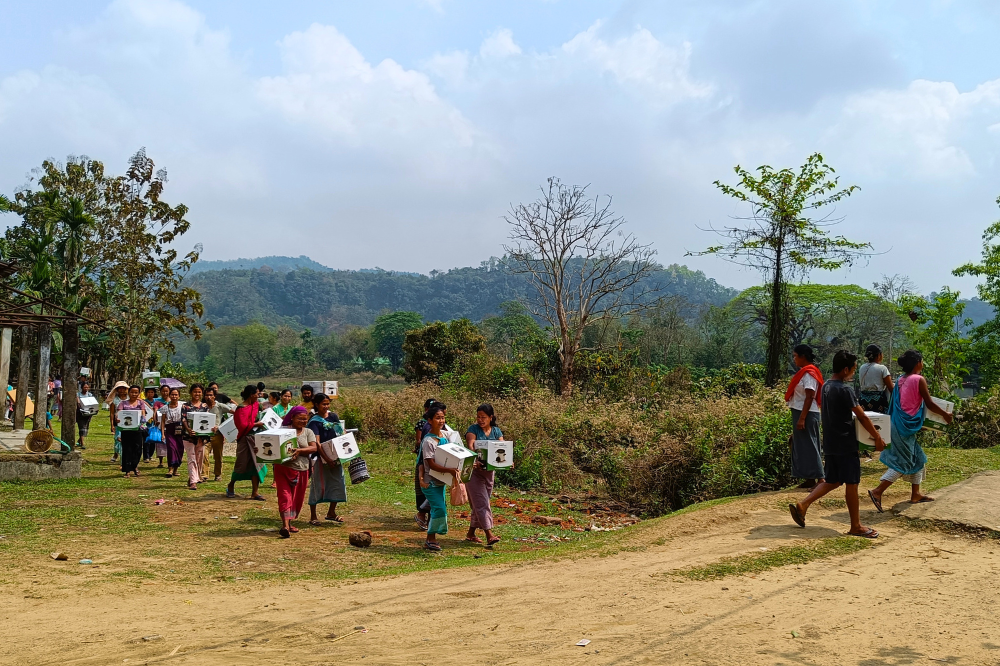
Villagers carrying clean cookstoves to their households
Rural communities do not lack capability—they lack access to markets, infrastructure and opportunities.
Across rural regions, the core issue is not the absence of skill or effort but the lack of access to markets. Artisans produce high-quality goods but often sell below value due to limited reach. Women-led enterprises operate without formal distribution systems. Homestays remain underutilized due to low visibility on mainstream platforms. Farmers continue to rely on intermediaries, which reduces their income despite strong production capabilities.
This lack of connectivity keeps rural economies confined to low-margin ecosystems and restricts their ability to grow.
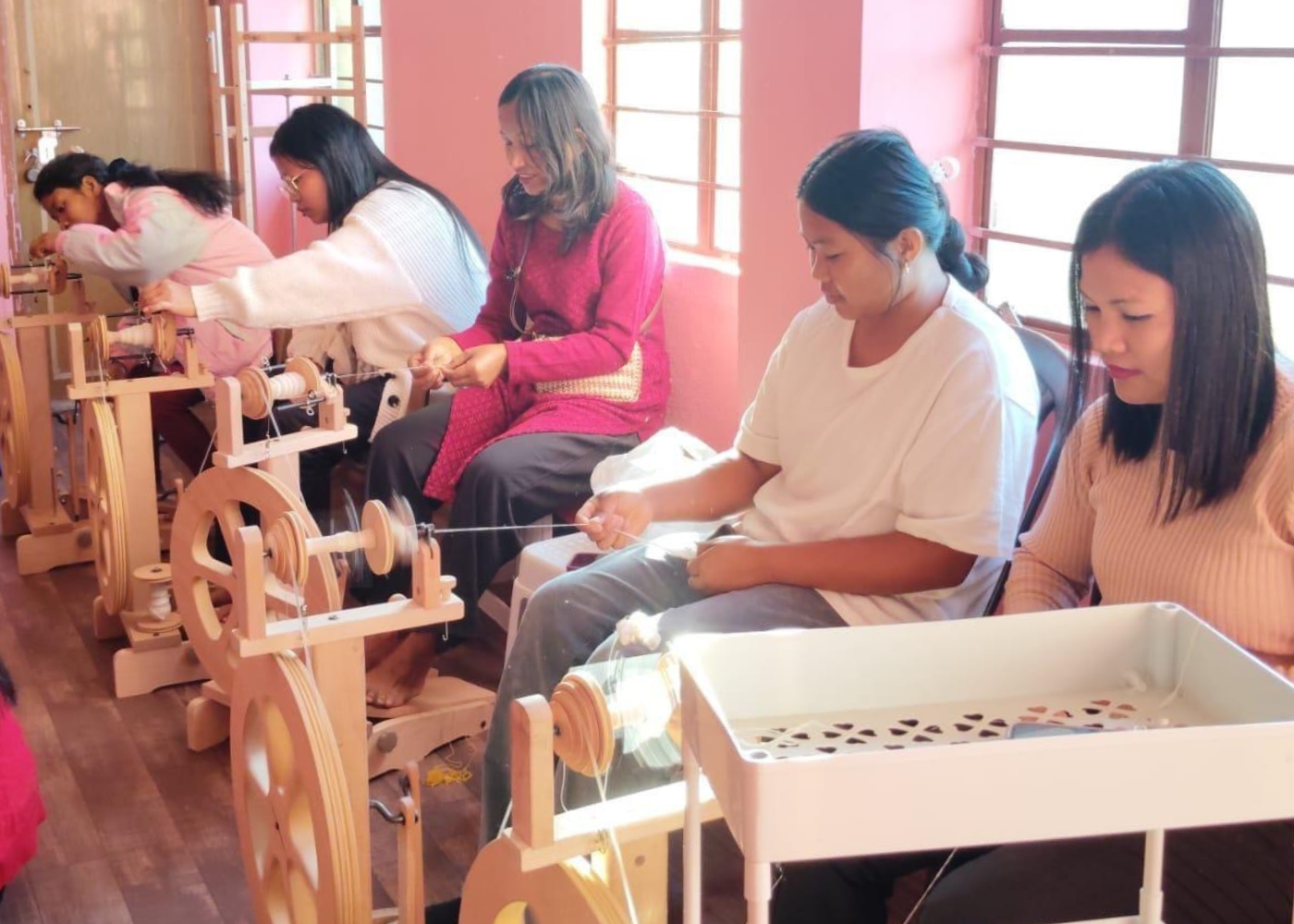
Women engaged in spinning and weaving for livelihood
Market access plays a critical role in shifting rural economies from subsistence to sustainability. When rural entrepreneurs are connected to consistent and fair demand, their income becomes more stable. Their products and services receive appropriate value and their dependence on intermediaries reduces.
This connection enables rural businesses to expand beyond local markets, creating opportunities for growth, employment and stronger local economies.
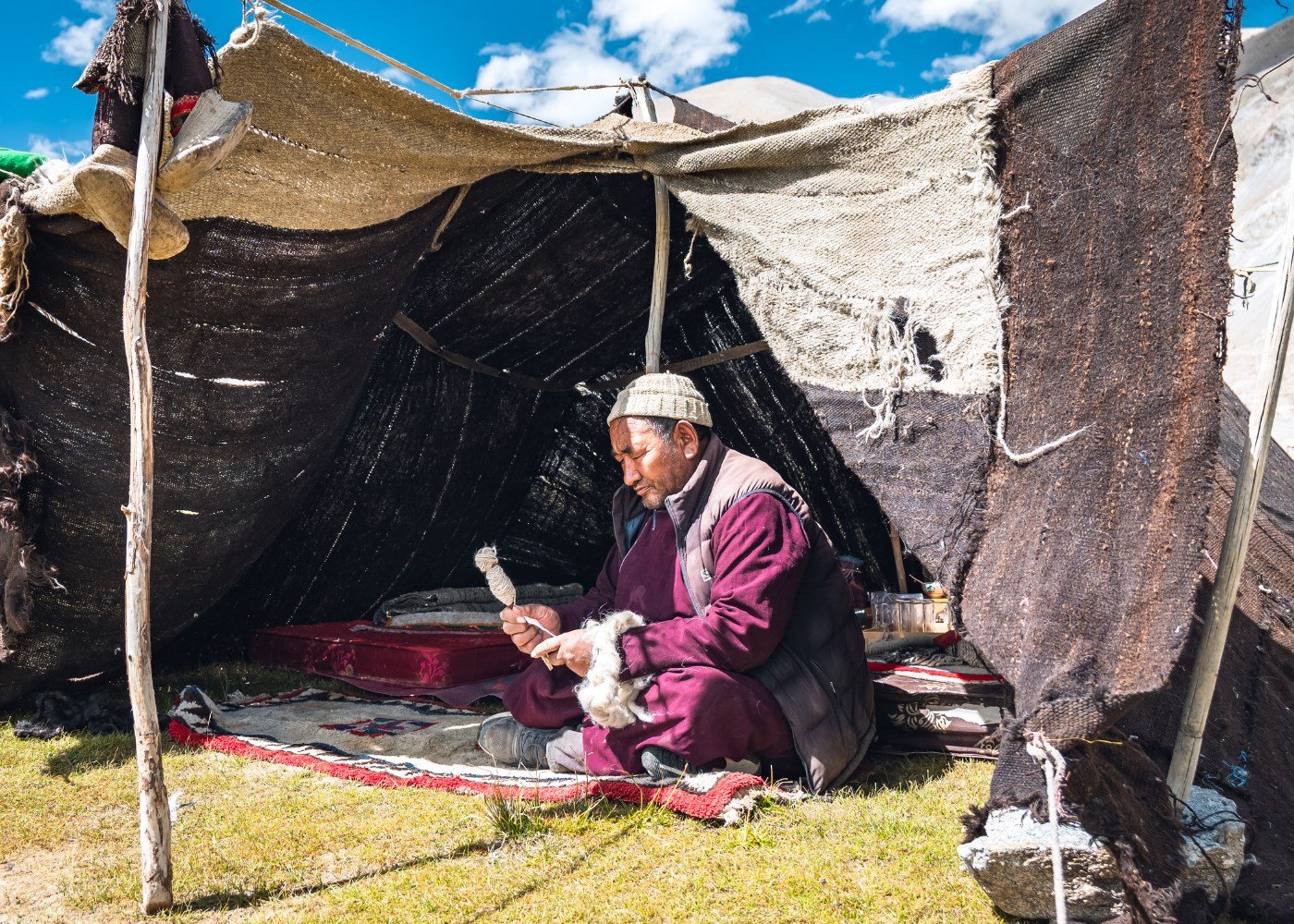
An artisan spinning Pashmina wool
Charity-based development models position rural communities as beneficiaries. In contrast, market-based models position them as active participants in the economy. This shift has a direct impact on financial independence, decision-making power and long-term stability.
When individuals earn through market participation, they gain greater control over their livelihoods. Their ability to negotiate improves and their role within the economic system becomes stronger and more sustainable.
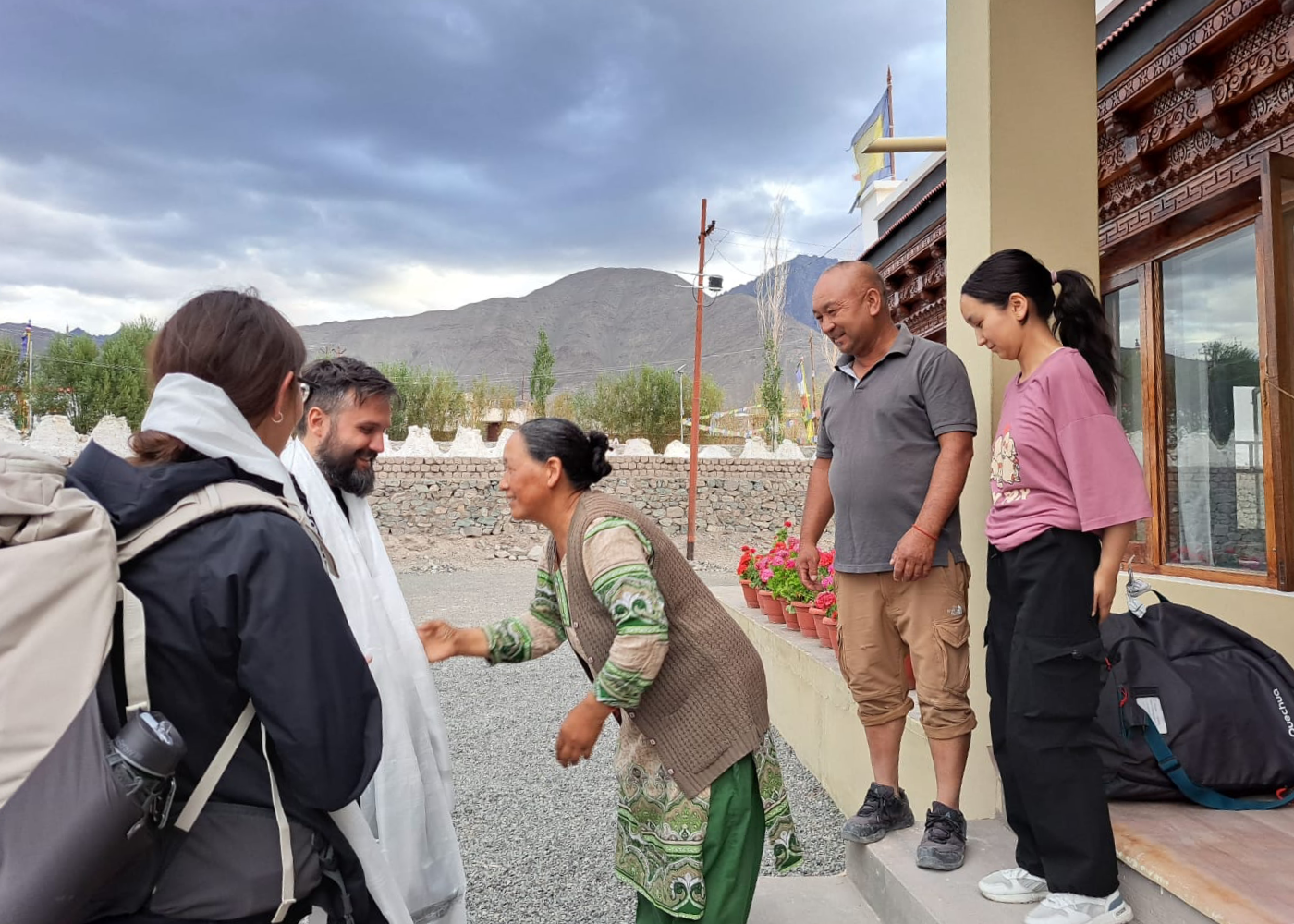
Homestay tourism generating income and local value chains
Rural homestay tourism demonstrates how structured market access can transform local economies. When properly supported, homestays generate income not only through accommodation but also by creating demand for local food, services and experiences.
They provide employment opportunities for youth, enable women to earn independently and support cultural and environmental preservation. However, these outcomes depend on access to marketing platforms, digital tools, quality standards and fair pricing systems. Without these, tourism does not deliver its full potential.
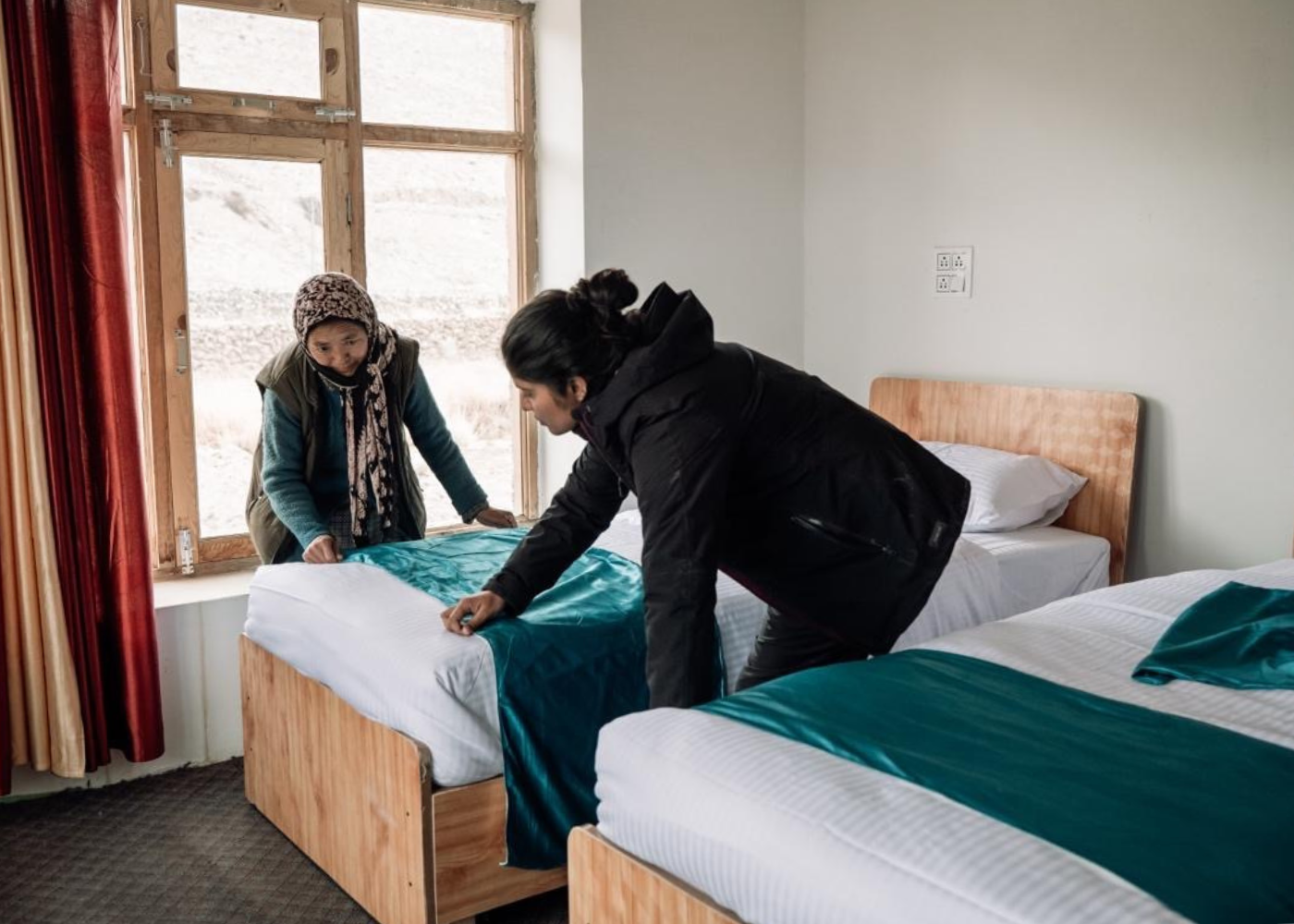
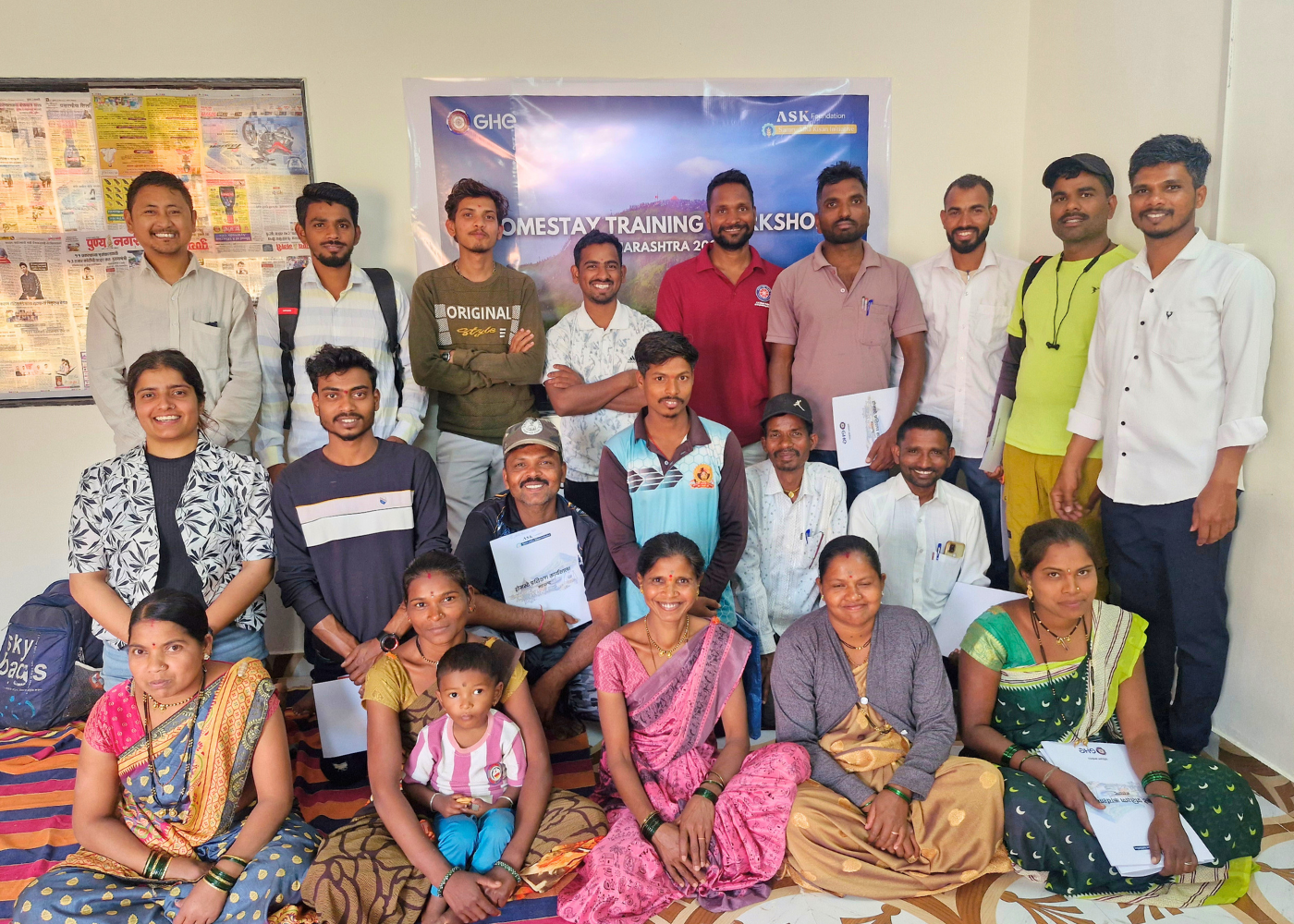
Training and setup of rural homestays
Moving beyond charity requires a shift toward access-based systems. This approach focuses on connecting rural enterprises to real and sustainable demand. It emphasizes improving quality standards so that products and services can compete in wider markets. It also involves strengthening digital infrastructure and logistics to ensure consistent reach.
Access to fair capital and climate-linked income opportunities further strengthens this model by enabling long-term growth without continuous dependence on external support.
Sustainable rural development begins when communities are connected to markets, not dependent on aid.
Institutions, corporates and CSR programs play a key role in enabling market access. Instead of focusing only on financial contributions, they need to integrate rural producers into value chains and support enterprise development.
Their role should include building capacity, enabling infrastructure and ensuring fair and transparent market linkages. This approach creates systems that generate sustained impact rather than short-term outcomes.
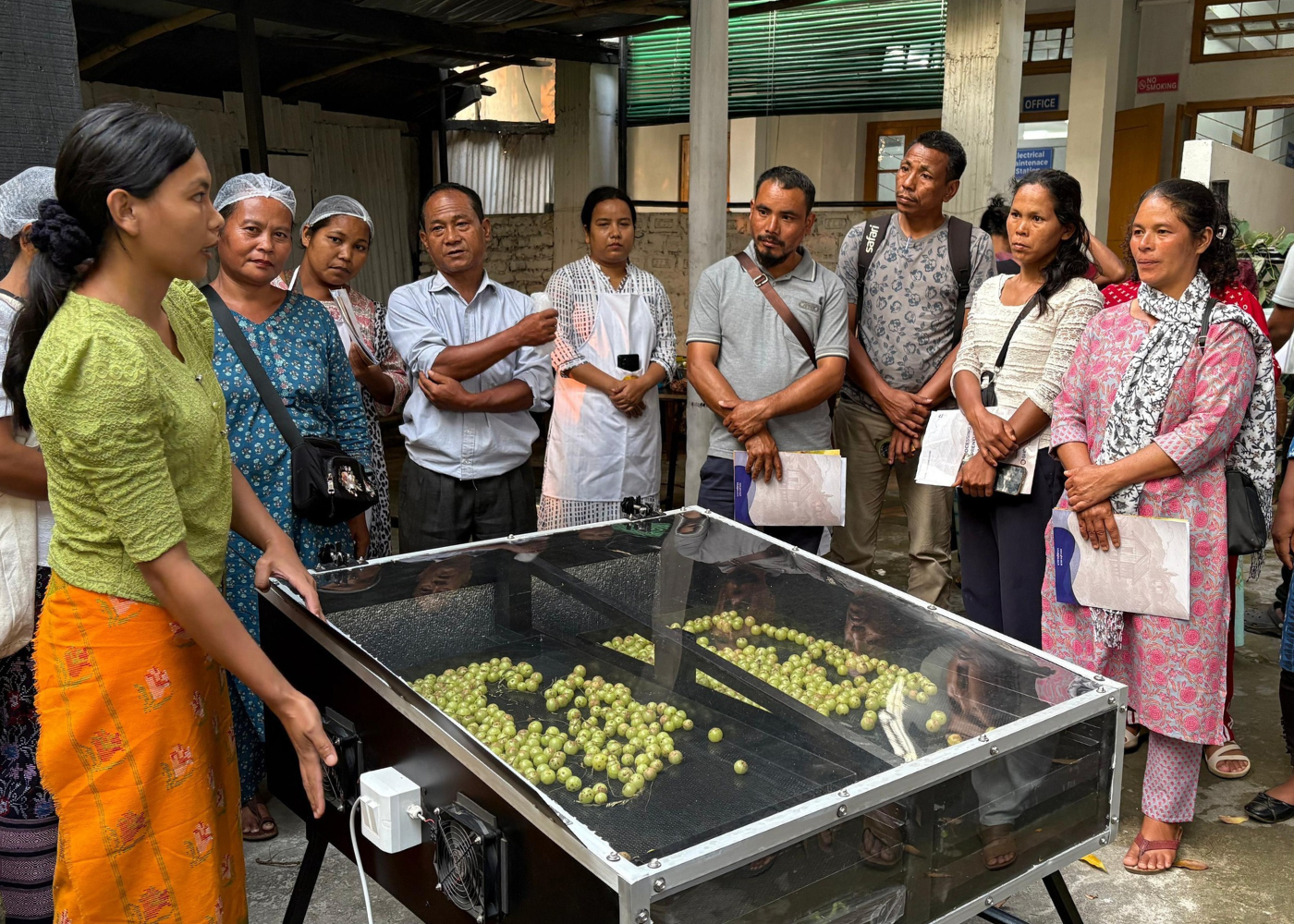
Entrepreneurs building livelihoods through market access
The future of rural development lies in integration, not assistance alone. Growth will be driven by market-linked enterprise models, digital inclusion, responsible tourism and climate-aligned opportunities. Rural communities already have the skills and capacity required for growth. What they need is access to systems that connect them to demand at scale.
Rural India does not need to be positioned as dependent on aid. It needs to be connected to markets that recognise its value. When access is enabled, rural entrepreneurs can build sustainable livelihoods, reduce dependency and contribute actively to the economy. Market access is not just an economic solution; it is a foundation for long-term, self-sustained development.
Explore perspectives on the work we do and ways to make an even greater impact together.
Explore how CSR in Aspirational Districts and Blocks can drive measurable impact through healthcare, livelihoods, education and infrastructure development.
Clean energy solutions across regions

GHE drives sustainable rural development by harnessing renewable energy and tourism to empower remote off-grid communities, providing innovative solutions that enhance livelihoods, promote sustainability, and foster economic growth through collaboration with local stakeholders.
Follow us on






0 Comments