Beyond Rural Development
Explore how CSR in Aspirational Districts and Blocks can drive measurable impact through healthcare, livelihoods, education and infrastructure development.
 GHE
GHE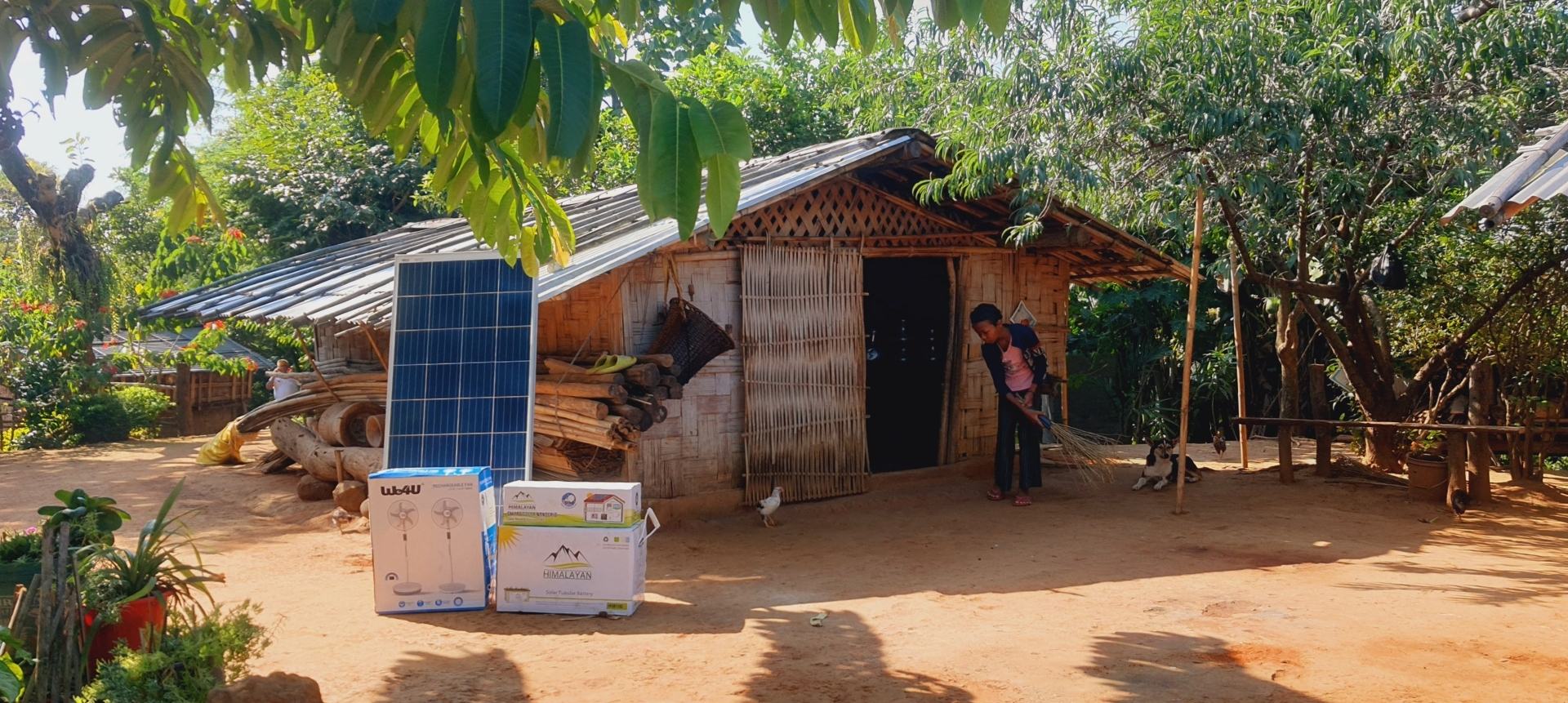
For over a decade, GHE has worked in some of India’s remote regions. Its focus has not been limited to implementing development projects. Instead, GHE works to strengthen the systems that shape everyday life in rural communities.
From the villages of Ladakh to the tribal regions of Central and Northeast India, GHE’s work has evolved beyond conventional rural development. The organisation focuses on creating conditions that allow communities to strengthen their own systems and shape their own futures.
At the centre of this approach is a belief that rural communities are not problems to be solved. They are systems with knowledge, resources and capacities that are often overlooked in mainstream development models.
Systems change begins when communities are seen as living systems rather than problems to be solved.
Systems change involves addressing the structures, relationships and behaviours that contribute to long-term challenges.
In rural India, issues such as energy access, education, healthcare, livelihoods and migration are connected. A village without reliable electricity is not only facing an energy challenge. Limited access to power affects schools, healthcare services and livelihood opportunities. Reduced livelihood opportunities often lead to migration, which can also affect local culture and community structures.
GHE recognised early on that addressing a single issue in isolation rarely creates long-term change. Understanding the wider ecosystem is necessary to create lasting impact.
This perspective aligns closely with the idea of systems change. Rather than focusing on individual problems, it focuses on strengthening the connections between different parts of a community so that progress can continue over time.
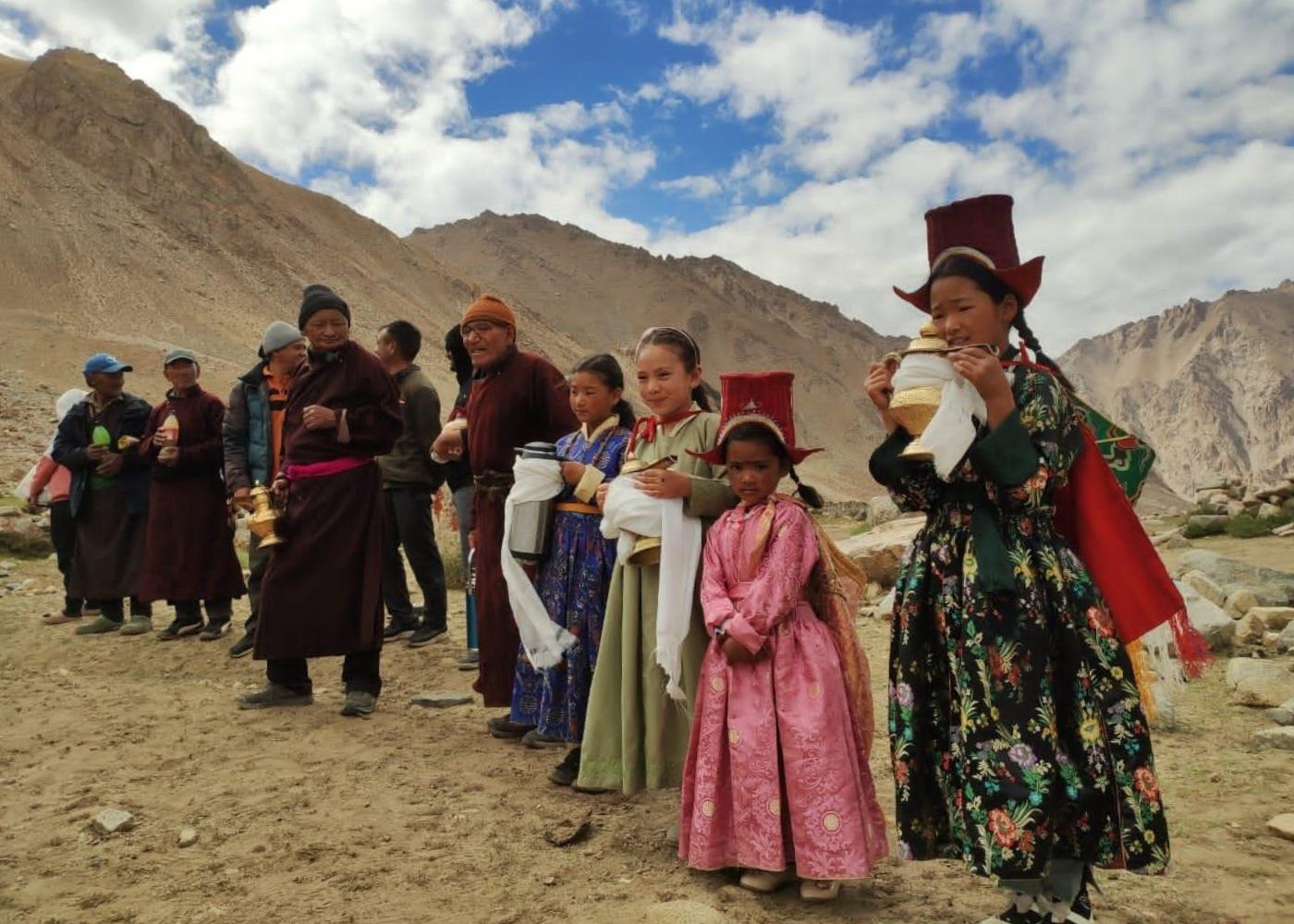
Tribal and Indigenous Communities are torch bearers of systems thinking
This approach became clear in Ladakh.
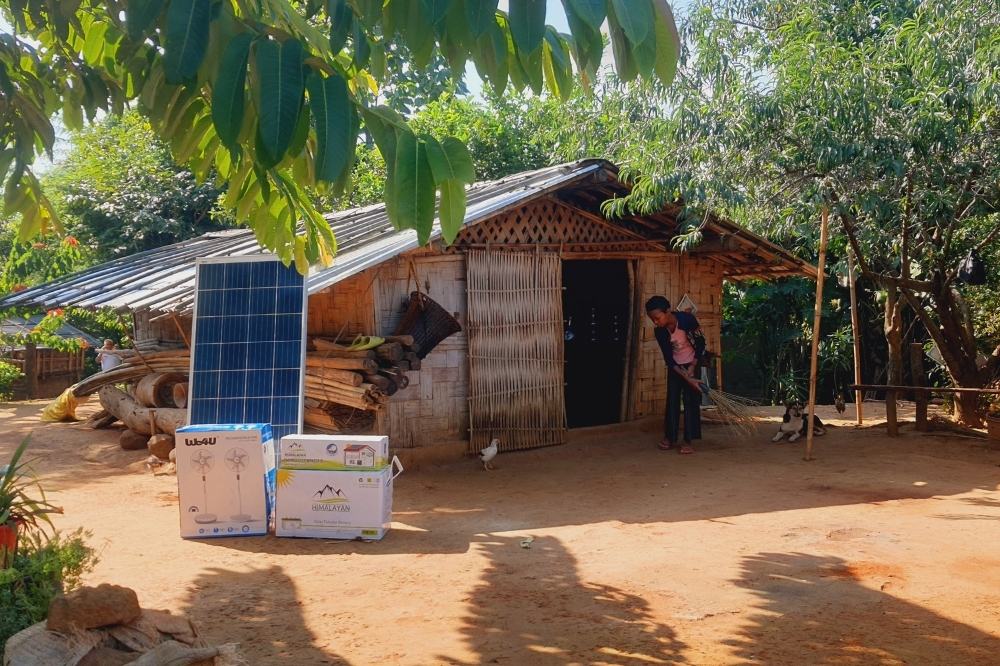
When GHE first began working in the region, the focus was on providing clean energy access to off-grid villages. Over time, the effects extended beyond electrification.
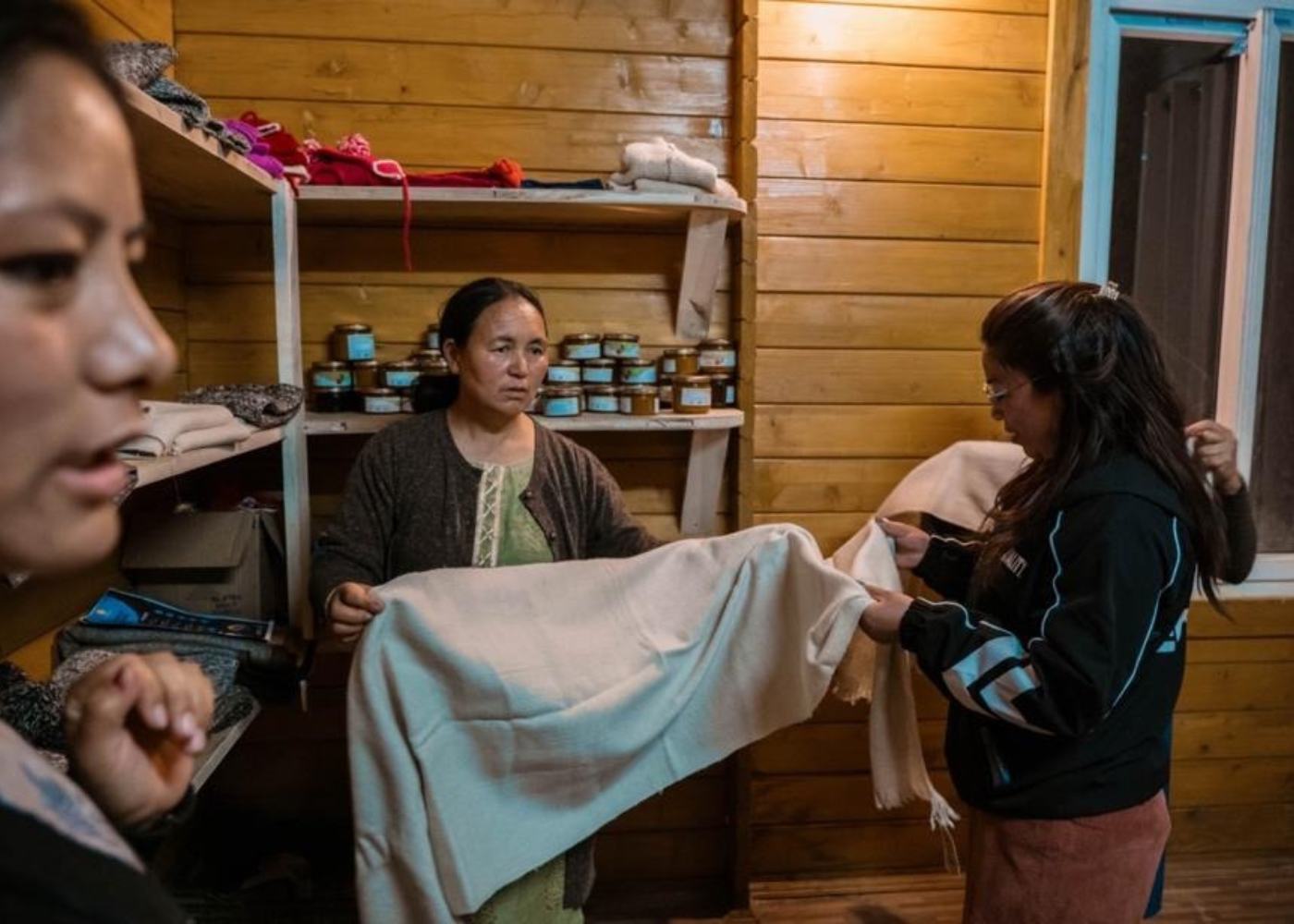
Reliable energy enabled local homestays to operate more effectively and created livelihood opportunities for families. Women became more involved in income generation through tourism-related activities, while young people began identifying opportunities within their villages instead of seeking opportunities elsewhere.
At the same time, traditional architecture, local food systems and cultural practices gained renewed relevance within the local economy. Tourism became a means of generating income while encouraging the preservation of local heritage and knowledge.
What began as an energy intervention contributed to broader changes across the local ecosystem. The impact was not limited to infrastructure; it influenced livelihoods, local participation and economic activity.
Today, this interconnected approach informs GHE’s work across India.
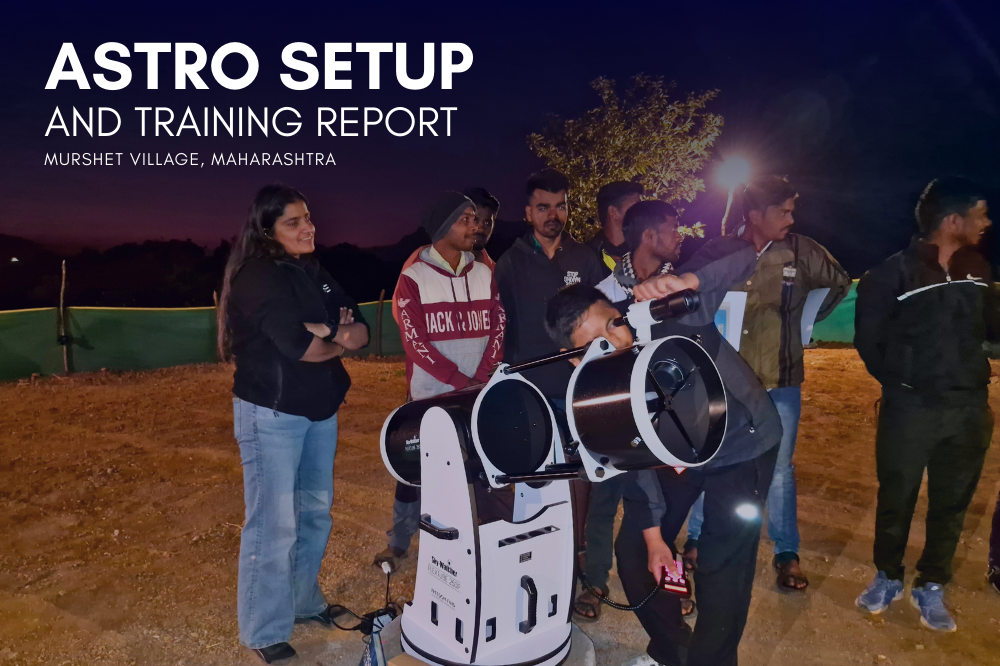
In Meghalaya, GHE’s solar electrification of schools and installation of SMART classrooms are part of a broader effort to improve educational access in remote communities. The objective is not simply to provide infrastructure but to expand access to learning opportunities.
When students gain access to digital learning tools, it changes how they engage with education. It also influences how teachers deliver lessons and how communities view education as a pathway to future opportunities.
Similarly, GHE’s work with women-led self-help groups, artisan collectives and local entrepreneurs extends beyond income generation. The focus is on strengthening local leadership, decision-making and ownership.
The objective is to enable communities to manage and sustain development processes themselves rather than remain dependent on external support.
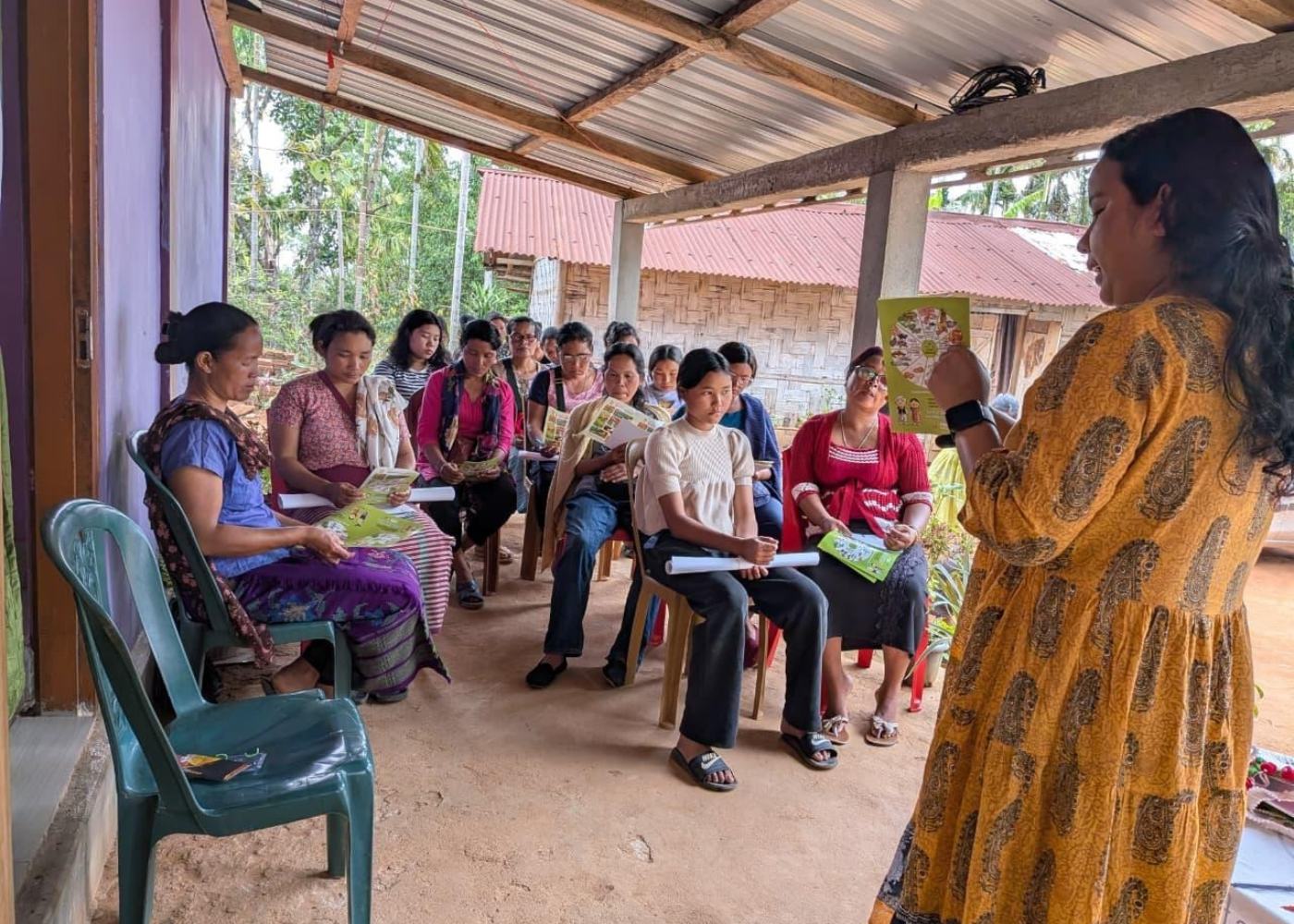
Creating self sufficiency through skills and knowledge
Clean energy, education, local livelihoods and community ownership work together to create long-term rural transformation.
Systems change requires communities to have the capacity to continue progress without long-term dependence on outside intervention.
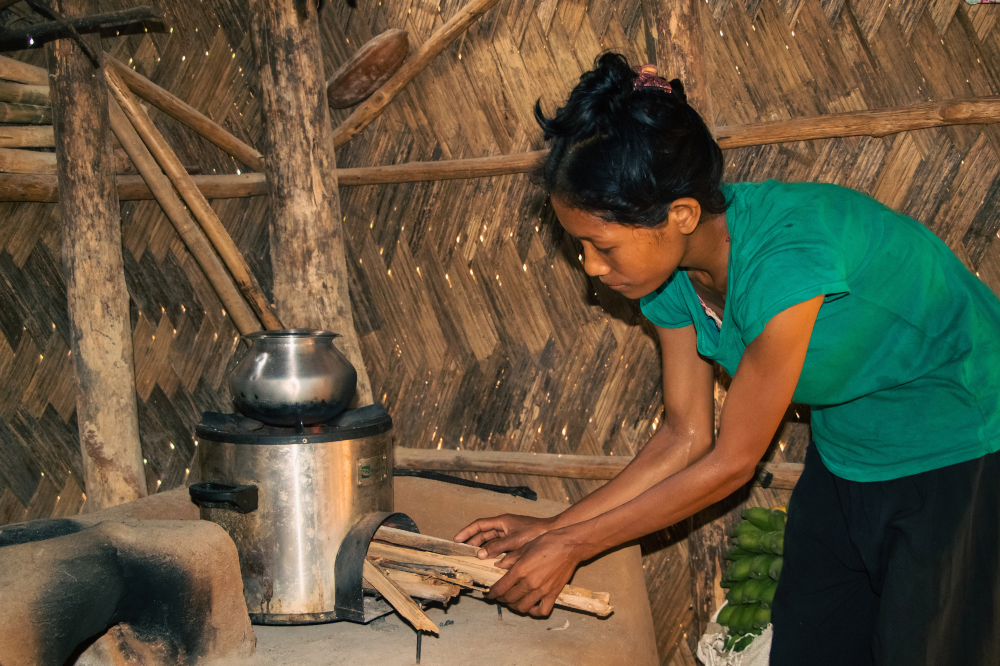
Through its work with tribal and rural communities, GHE has observed that many practices associated with sustainability already exist locally. Community-owned tourism models, decentralised renewable energy systems, local resource management practices and women-led enterprises are examples of systems that operate within these regions.
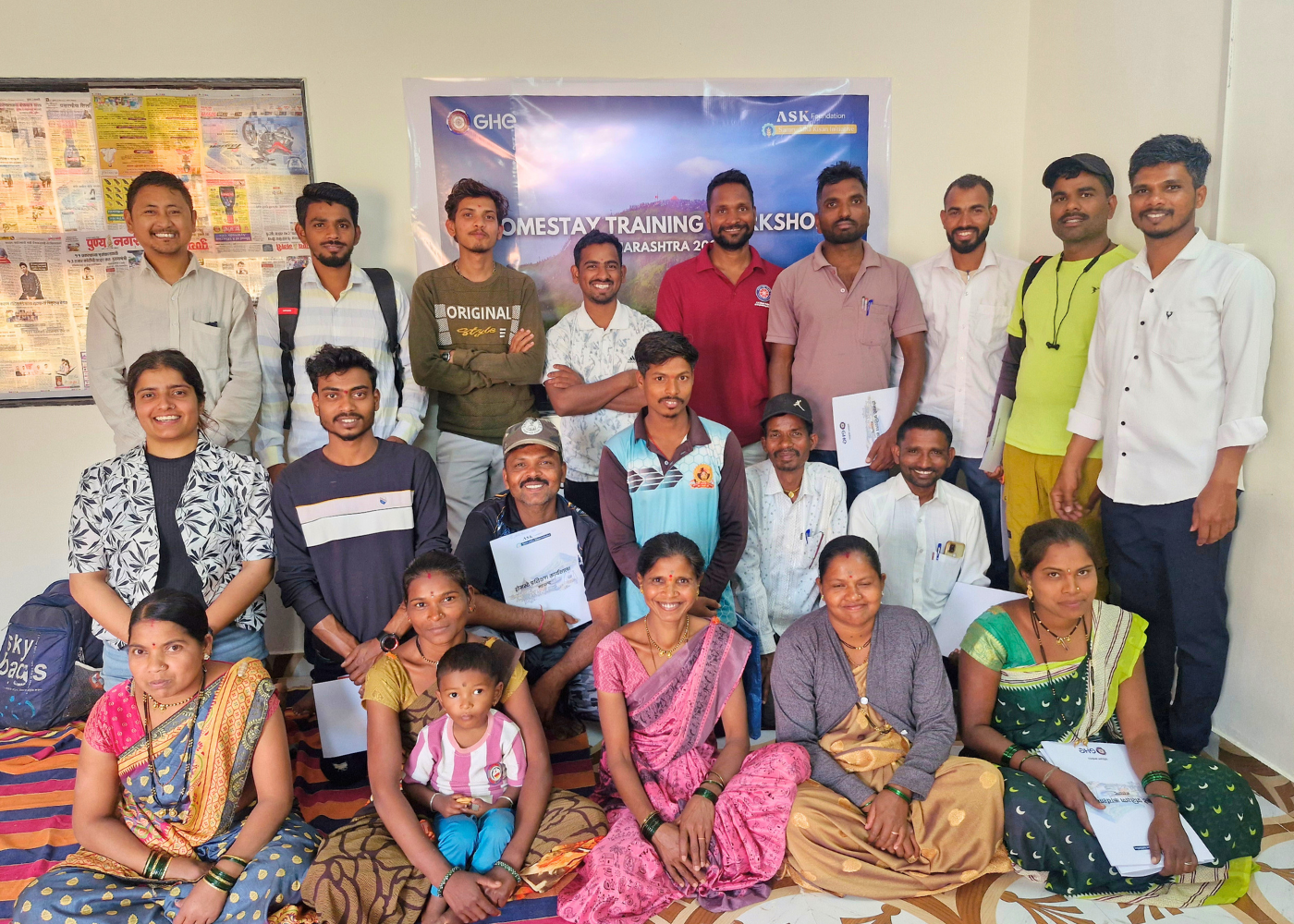
GHE’s rural tourism initiatives are designed around community ownership. Local families participate directly in tourism activities, generate income and play a role in decision-making. This helps ensure that economic benefits remain within the community while strengthening local institutions and networks.
Many of the solutions being discussed globally already exist in these communities. Renewable energy systems, low-consumption lifestyles, local production systems and community-led resource management have been part of rural life for generations.
What is often needed is support, investment and systems that allow these models to continue and expand.
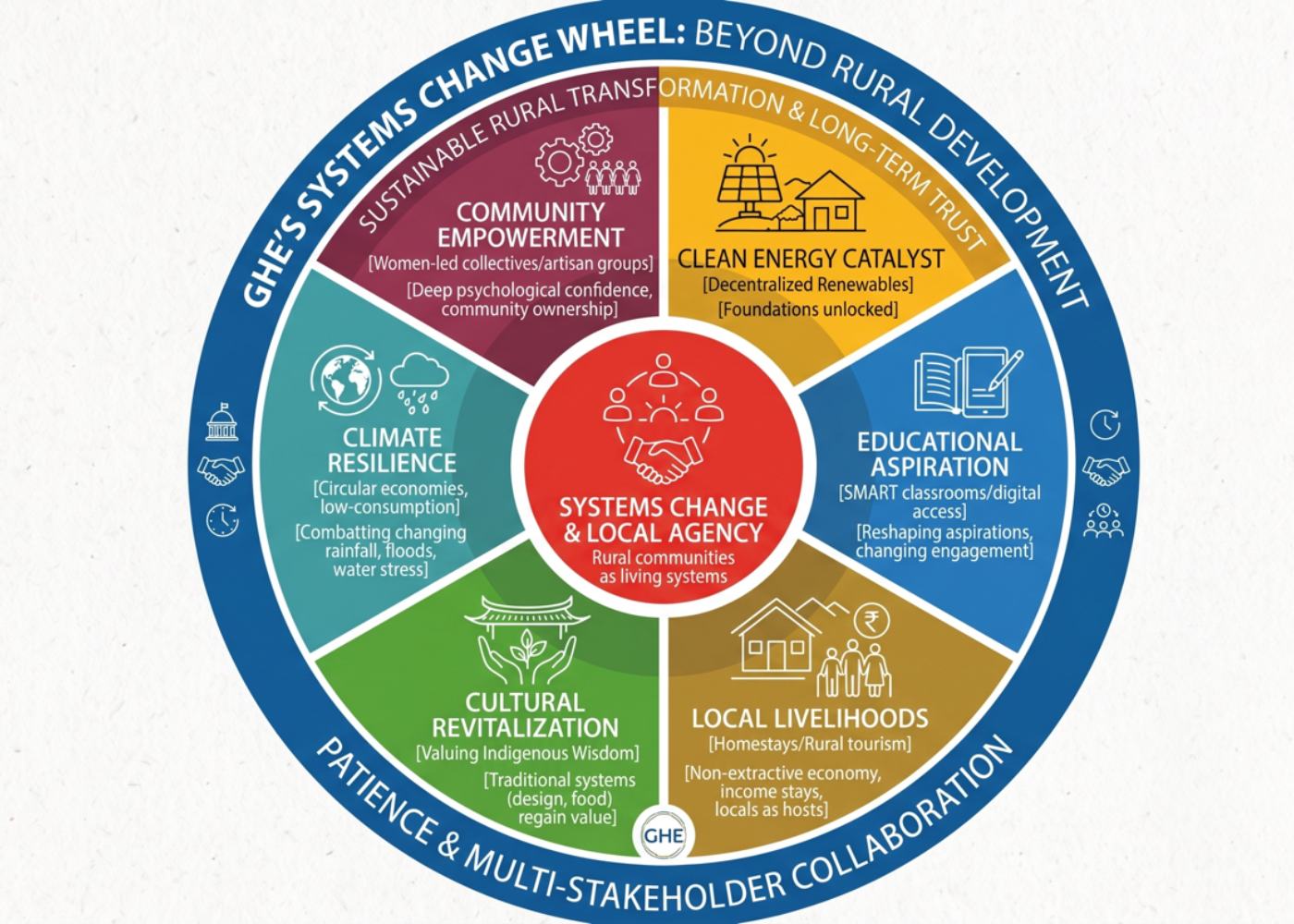
GHE Systems Change Wheel for Rural Transformation
One of the lessons from GHE’s work is that systems change is a long-term process. Development efforts are often measured through immediate outputs and short-term outcomes. However, many of the most important changes emerge gradually through shifts in behaviour, decision-making and opportunity.
A student continuing education instead of dropping out. A local entrepreneur choosing to remain in the village. A women’s collective taking leadership roles within the community. A school becoming a place where students see opportunities for their future.
These changes may appear small individually, but over time they contribute to broader transformation within communities. Systems are strengthened not through a single intervention but through consistent progress across multiple areas of community life.
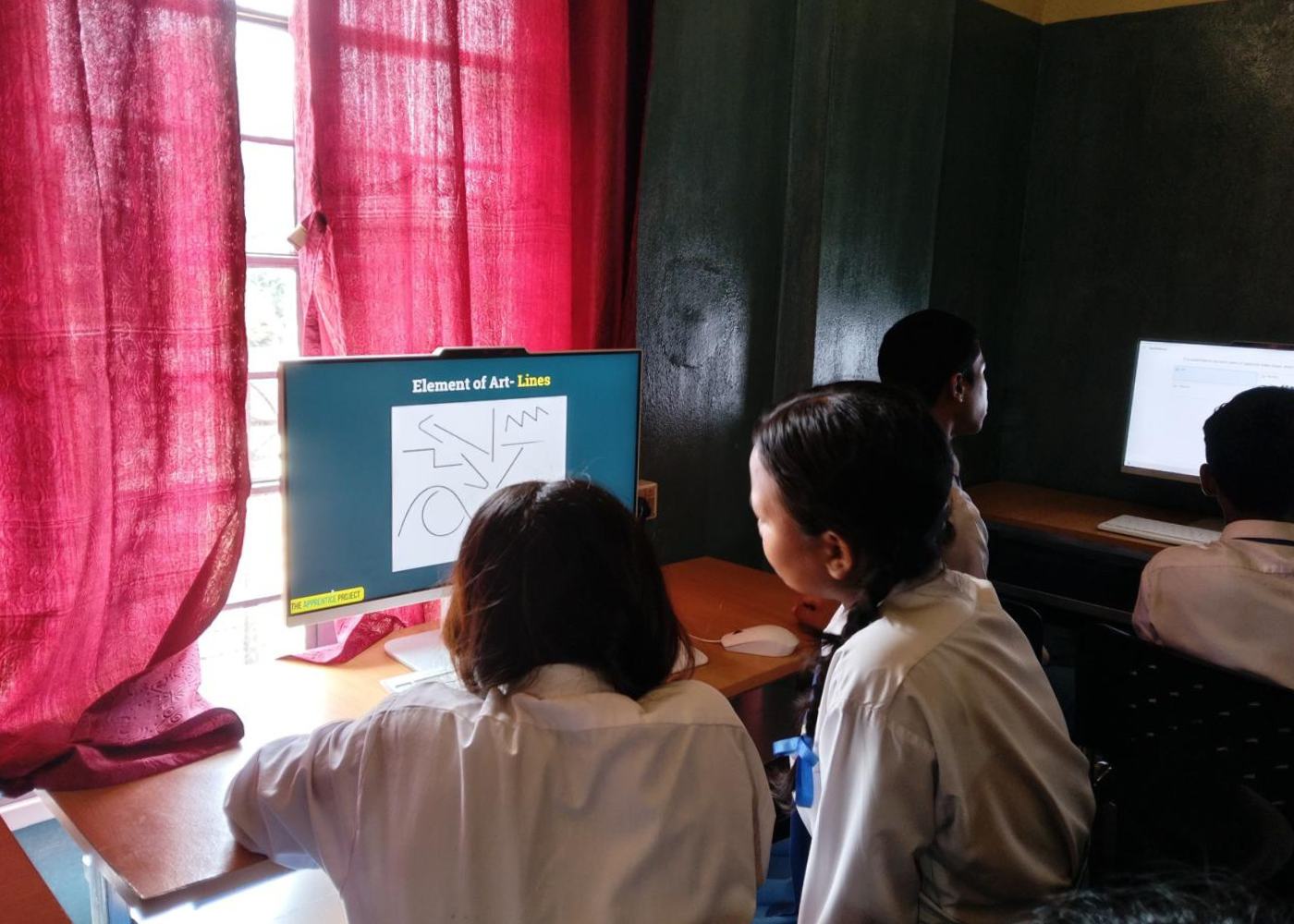
Access to education ignites the spark that will propel the youth towards opportunities
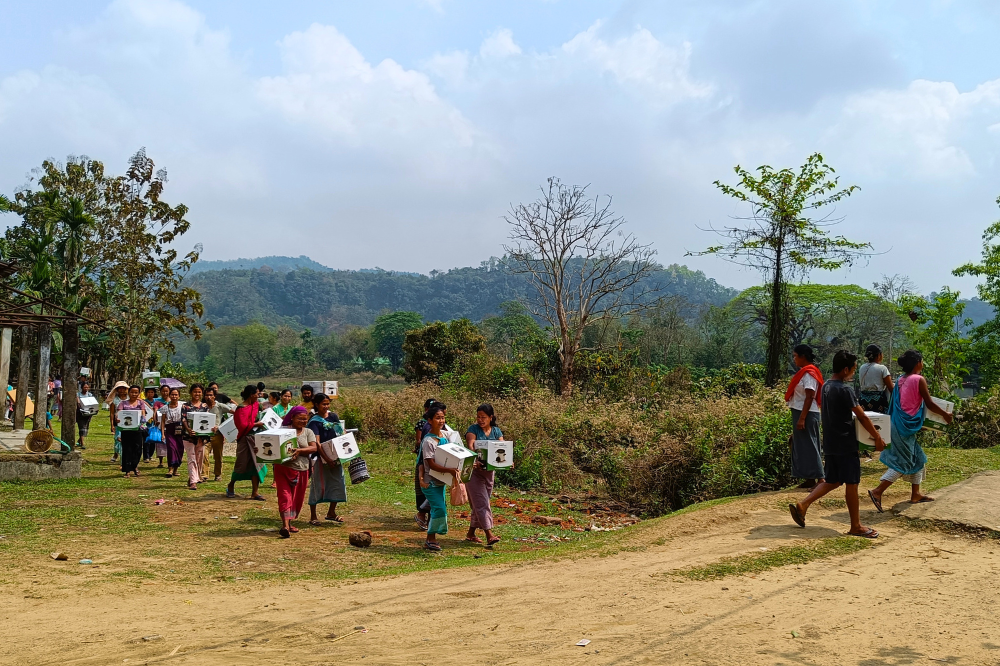
Across India, GHE has seen communities strengthen local economies, improve access to education and create new livelihood opportunities.
Villages that once faced limited opportunities are building local enterprises around tourism, entrepreneurship and community-based initiatives. Schools without reliable electricity are becoming digitally enabled learning spaces. Women who were previously excluded from economic decision-making are taking on leadership roles within their communities.
This work is not based on delivering solutions from outside. It focuses on enabling communities to build on their own strengths, resources and priorities.
The lesson from GHE’s journey is clear: long-term rural transformation happens when communities become active participants in shaping their future, supported by systems that respond to local realities. By strengthening these systems, rural communities are not only addressing present-day challenges but also creating pathways for future generations.
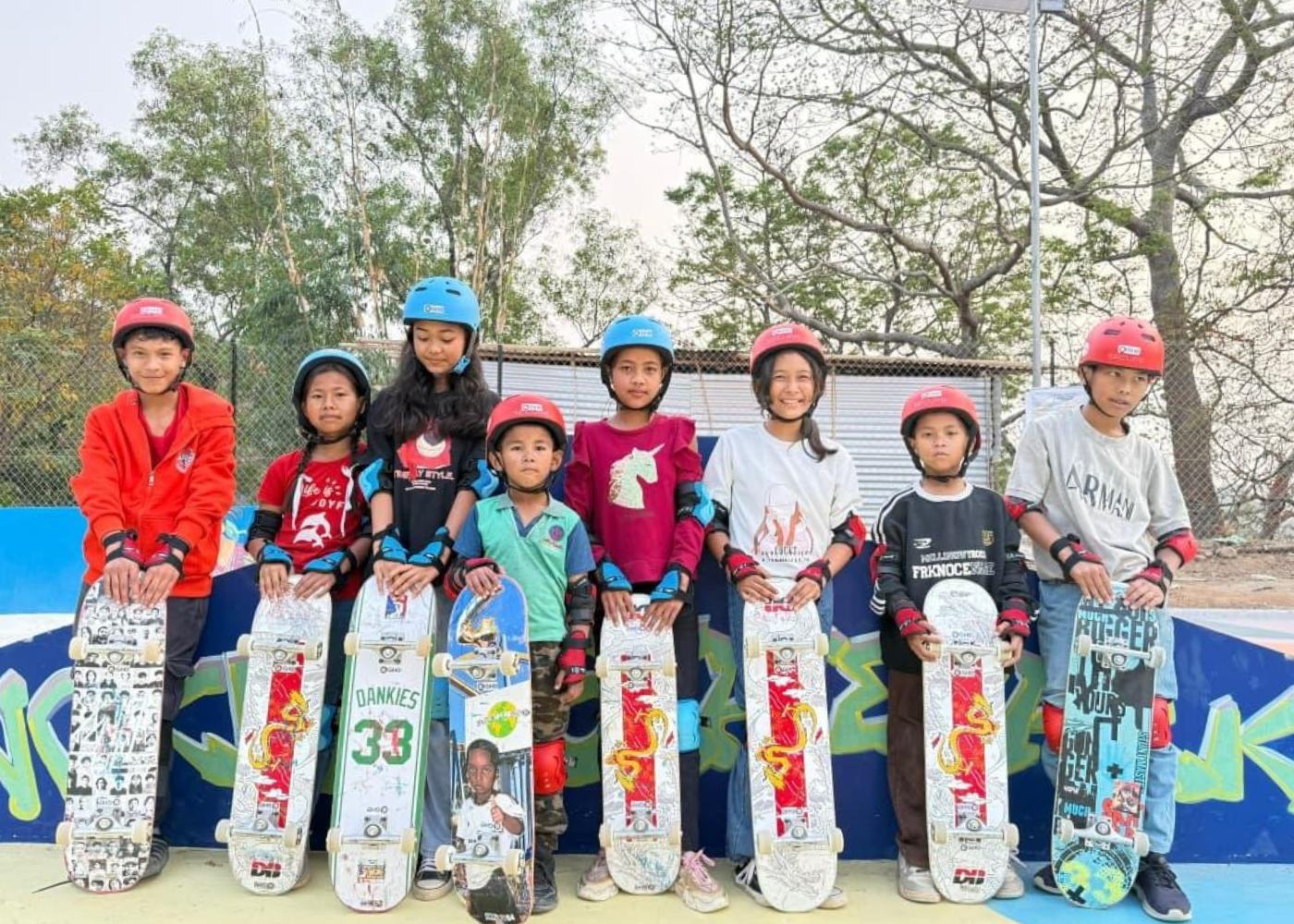
Explore perspectives on the work we do and ways to make an even greater impact together.
Explore how CSR in Aspirational Districts and Blocks can drive measurable impact through healthcare, livelihoods, education and infrastructure development.
Clean energy solutions across regions

GHE drives sustainable rural development by harnessing renewable energy and tourism to empower remote off-grid communities, providing innovative solutions that enhance livelihoods, promote sustainability, and foster economic growth through collaboration with local stakeholders.
Follow us on





0 Comments