Why Rural Development in India Doesn’t Need Charity?
GHE Mar 31, 2026
 GHE
GHE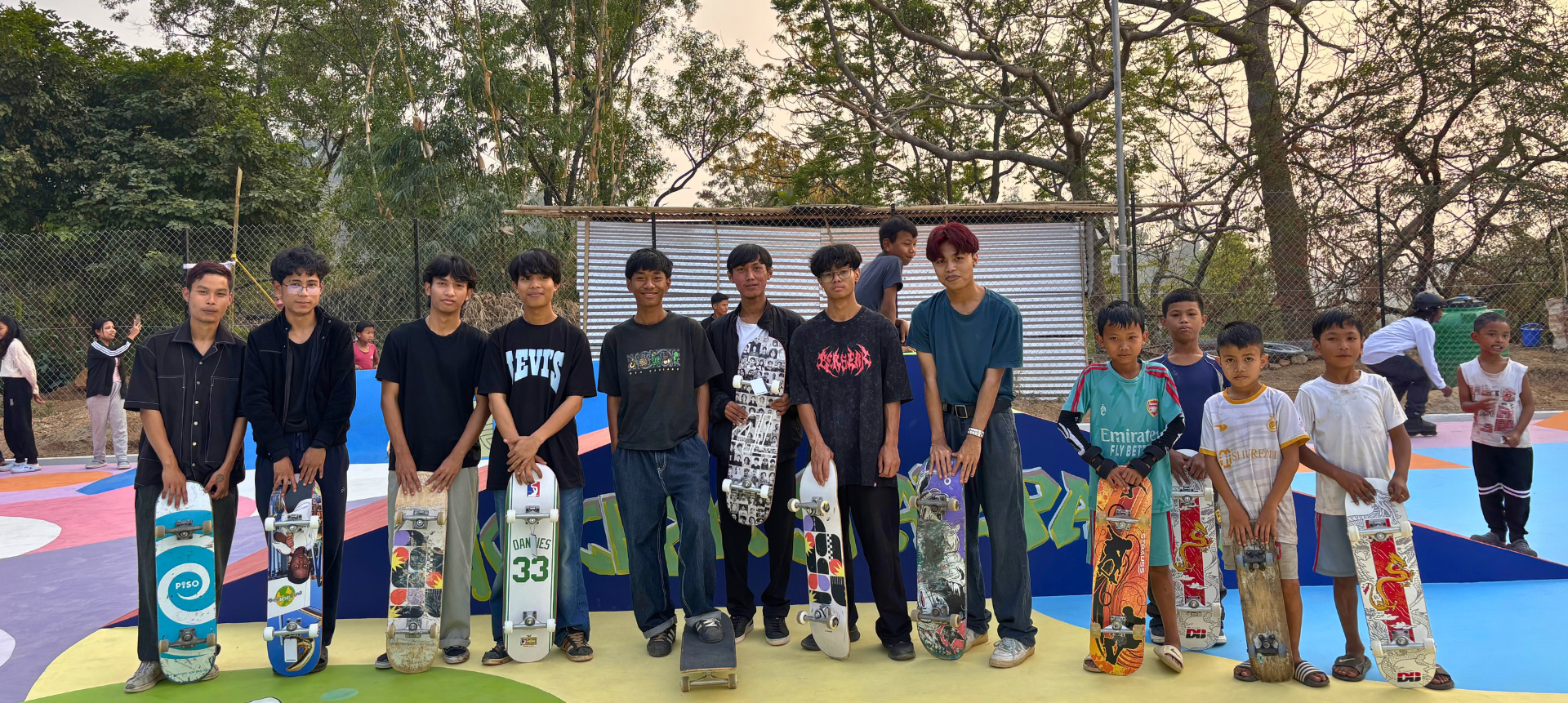
For nearly a decade, GHE has been working in the Garo region of Meghalaya, focusing on the most fundamental layers of development: clean energy, clean cooking, education and healthcare. These interventions remain critical in a region that has emerged from a prolonged period of insurgency, where stabilising basic needs understandably took priority.
Today, as development gradually takes root, the region stands at an important transition point. While foundational development remains essential, there is also a growing opportunity to invest in the next generation of youth in Meghalaya. The Gen Z youth of the region will soon shape its social, economic and cultural future. The question then becomes:
How do we engage, inspire and empower this generation in meaningful ways? One powerful answer lies in sports for development.
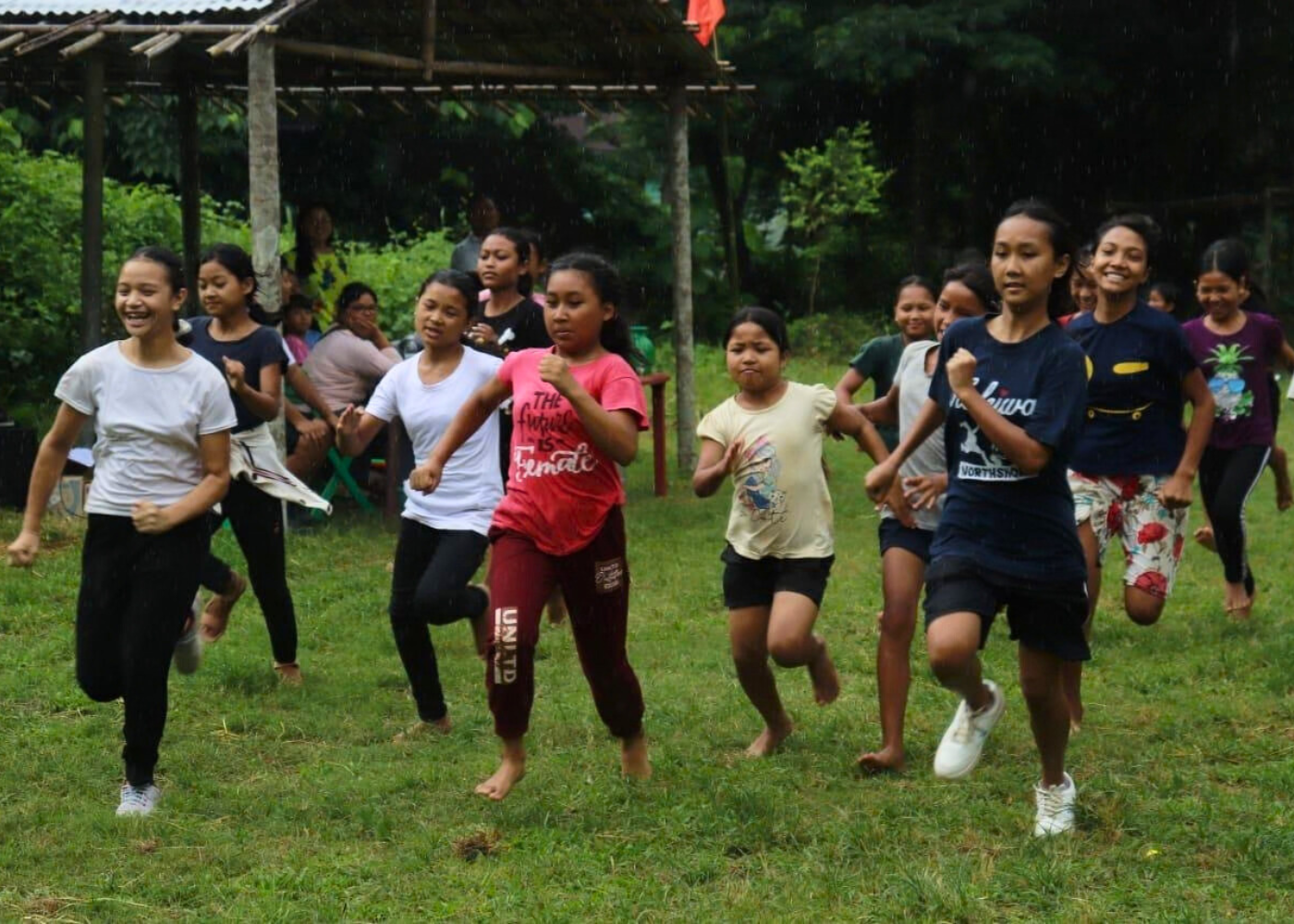
Young girls competing with energy and determination at a community sports meet
Sports are deeply embedded in the social and cultural fabric of Meghalaya.
Unlike many parts of India where cricket dominates the sporting landscape, football reigns supreme in Meghalaya. Even in the most remote villages, a state football icon such as Eugenson Lyngdoh can generate louder cheers than national cricket stars.
Traditional football tournaments often draw thousands of spectators. Supporters gather along dusty village grounds, passionately cheering for their clan members as they dribble past opponents toward the goalposts.
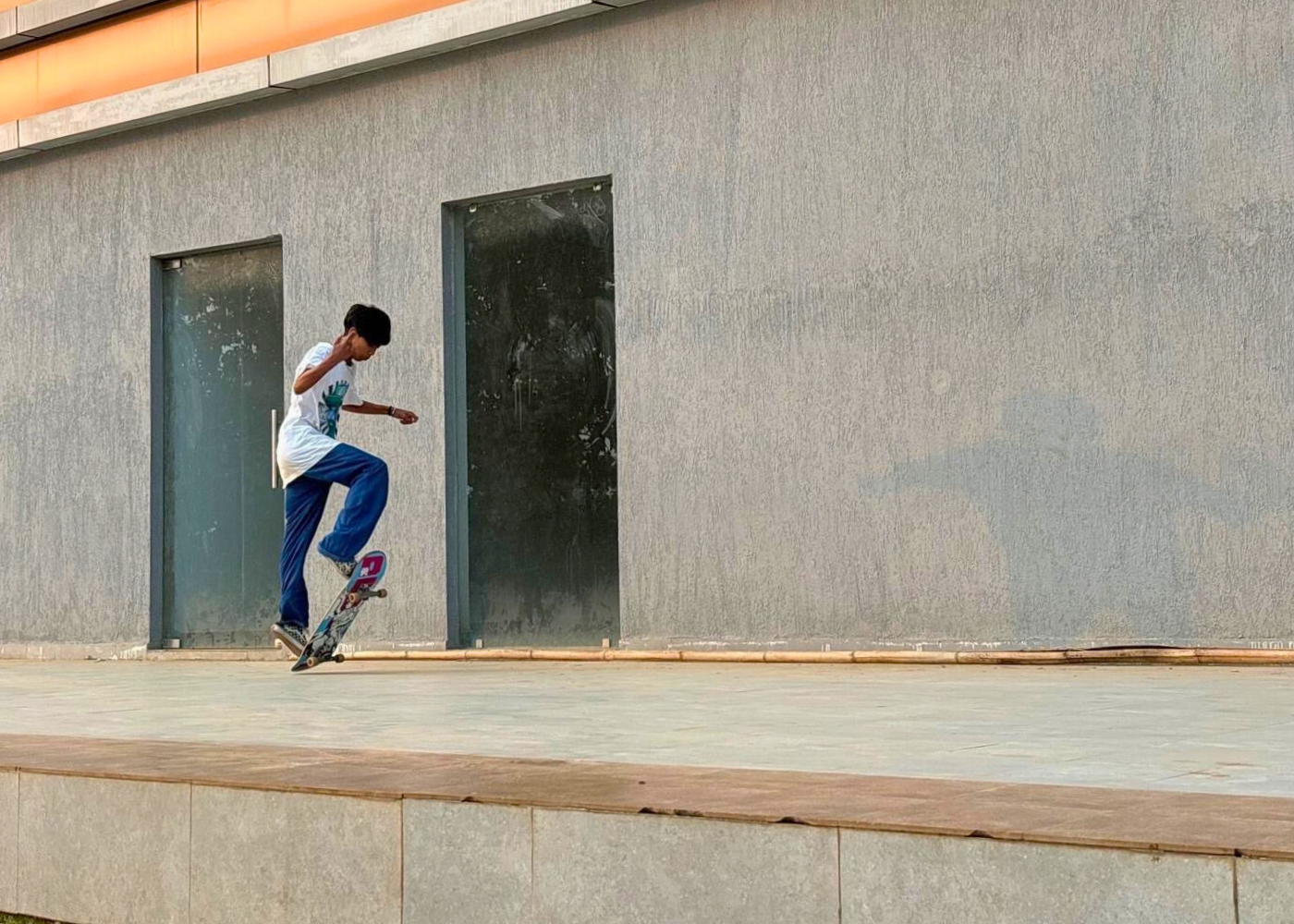
A youth showcasing his skateboarding skills on a concrete pavement
Alongside football, a quieter but equally powerful movement is emerging.
A growing number of young people in the Garo Hills are embracing action sports such as BMX and skateboarding. Many of these athletes practice without formal infrastructure, using roadside pavements, parks, or bus terminals in rural and semi-urban areas.
While these sports may not yet attract large crowds, the enthusiasm among young athletes is undeniable and participation is steadily growing. With action sports gaining global recognition, especially in events like the Summer Olympics 2028, these youth are tapping into a future-facing sporting opportunity.
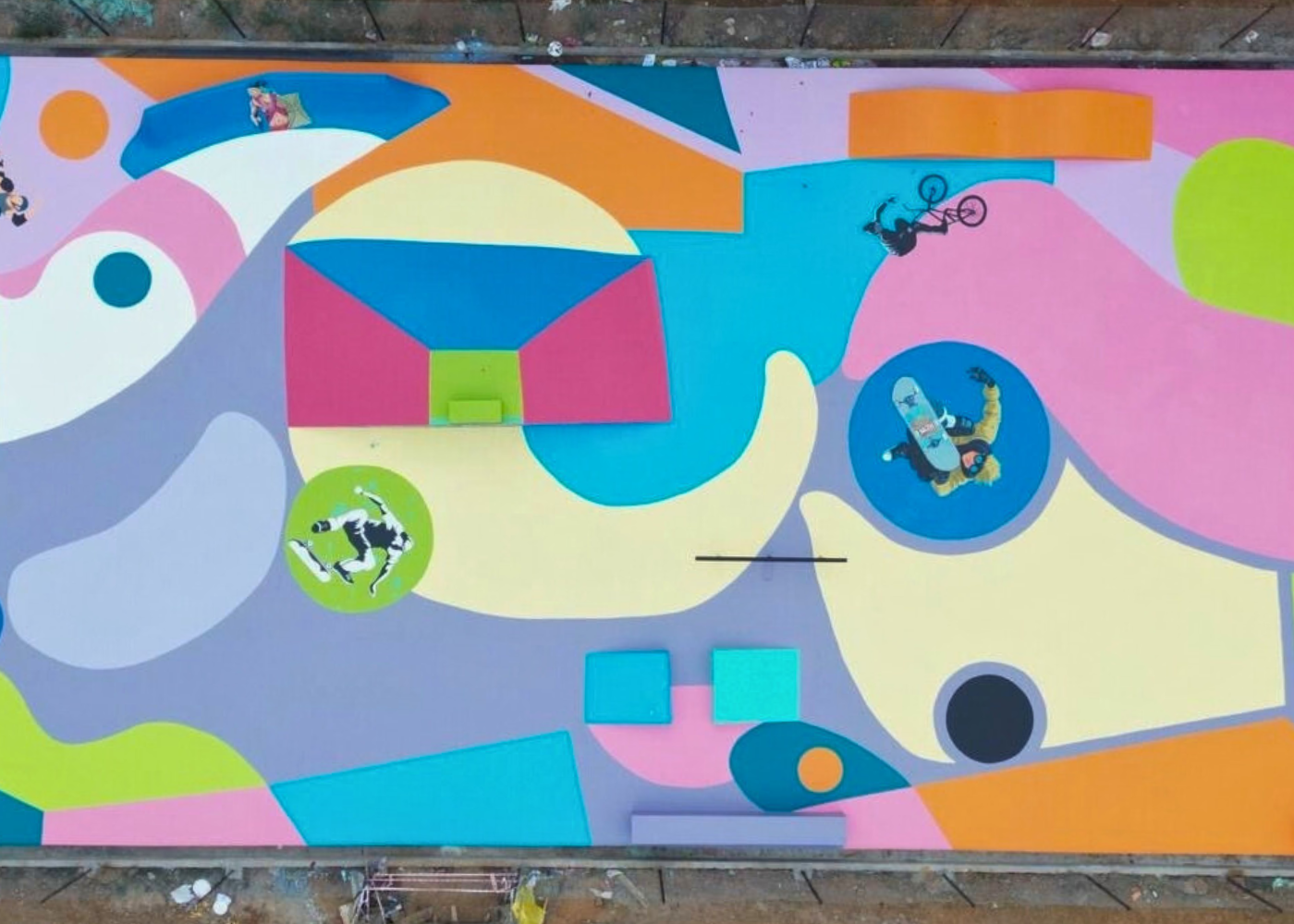
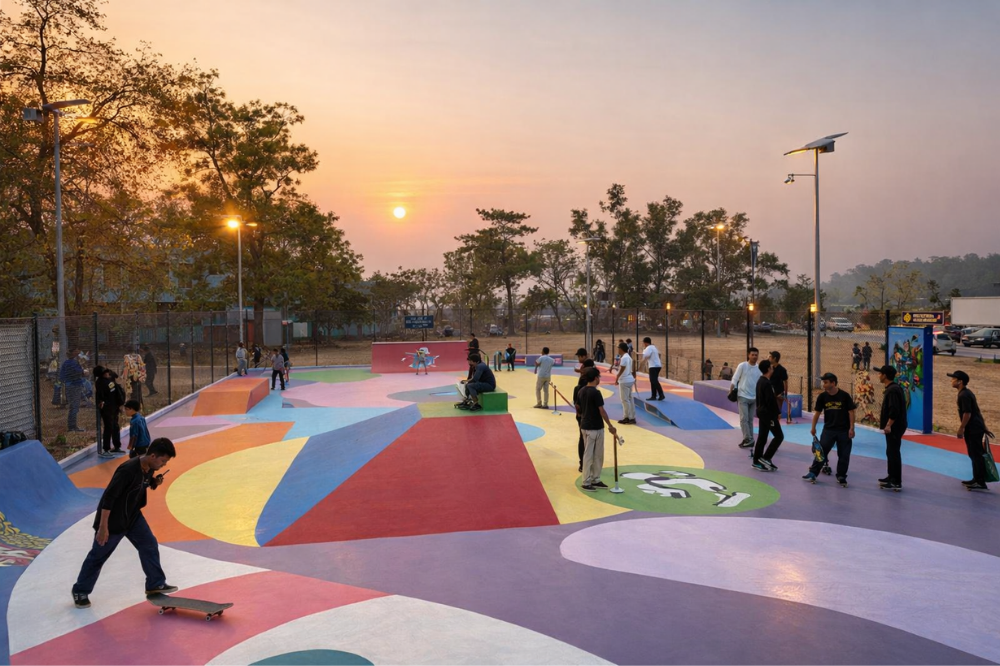
A top view of the Skatepark in Tura by GHE, built with support from CSR partner Decathlon India
Another growing trend among young people in the region is distance running.
For many youth in the Garo Hills, running is not just a sport but also a pathway to employment. Government services such as the armed forces and paramilitary units place strong emphasis on physical endurance, particularly running ability.
Across the region, barefoot runners train on uneven terrain and dusty fields with aspirations that range from winning marathons to clearing the physical tests required for stable government jobs.
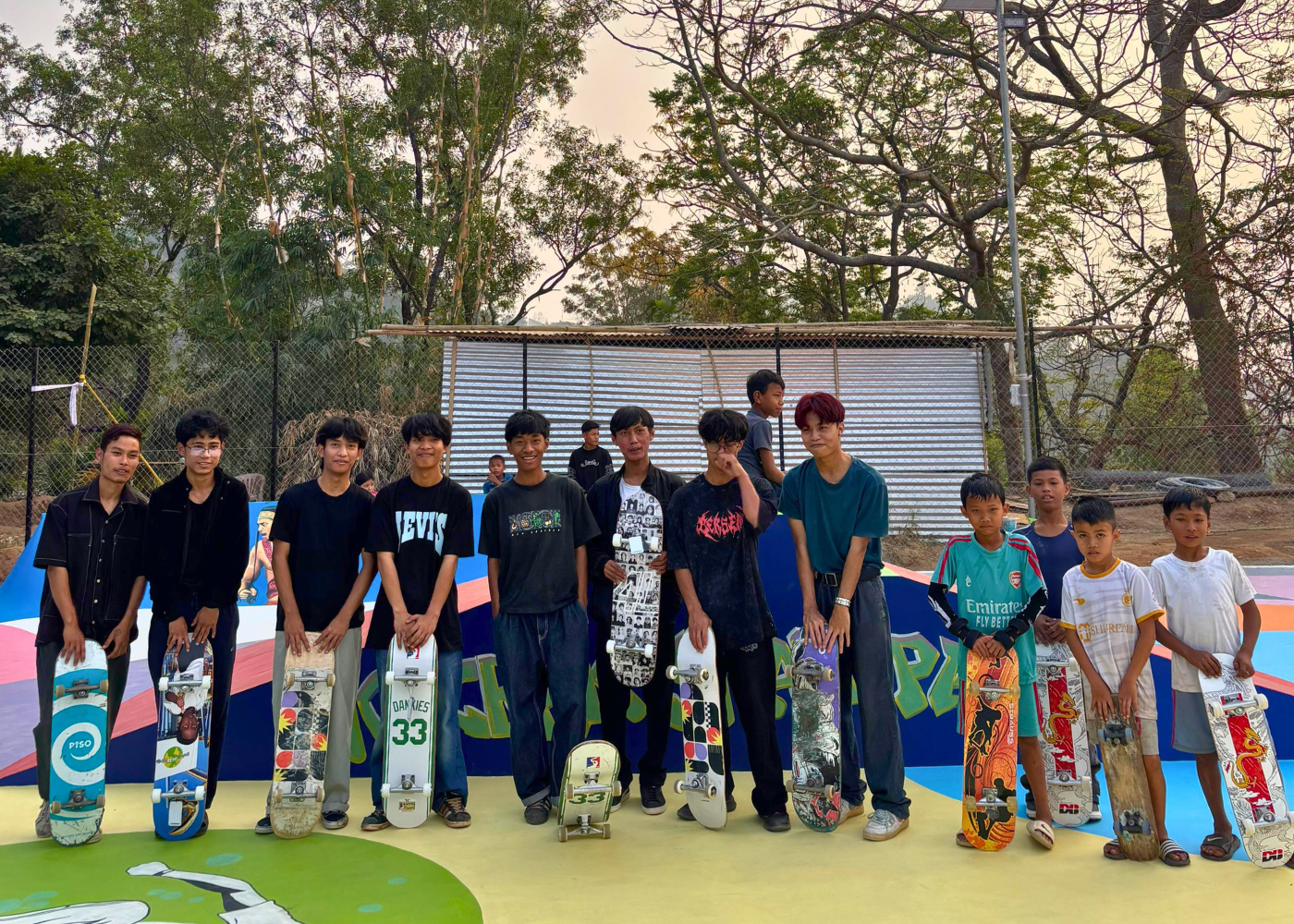
Gen Z athletes posing confidently, embodying hope and ambition for the future
Recognising the transformative potential of sports, GHE began exploring sports-based youth development programs over the past two years in collaboration with local stakeholders.
Sports quickly emerged as more than recreation, it became a powerful medium for youth empowerment, skill-building, health and intrinsic motivation.
Aligned with India’s growing ambitions in global sports, including potential bids for the Commonwealth Games 2030 and the Summer Olympics 2036, GHE has integrated sports into its broader development strategy.
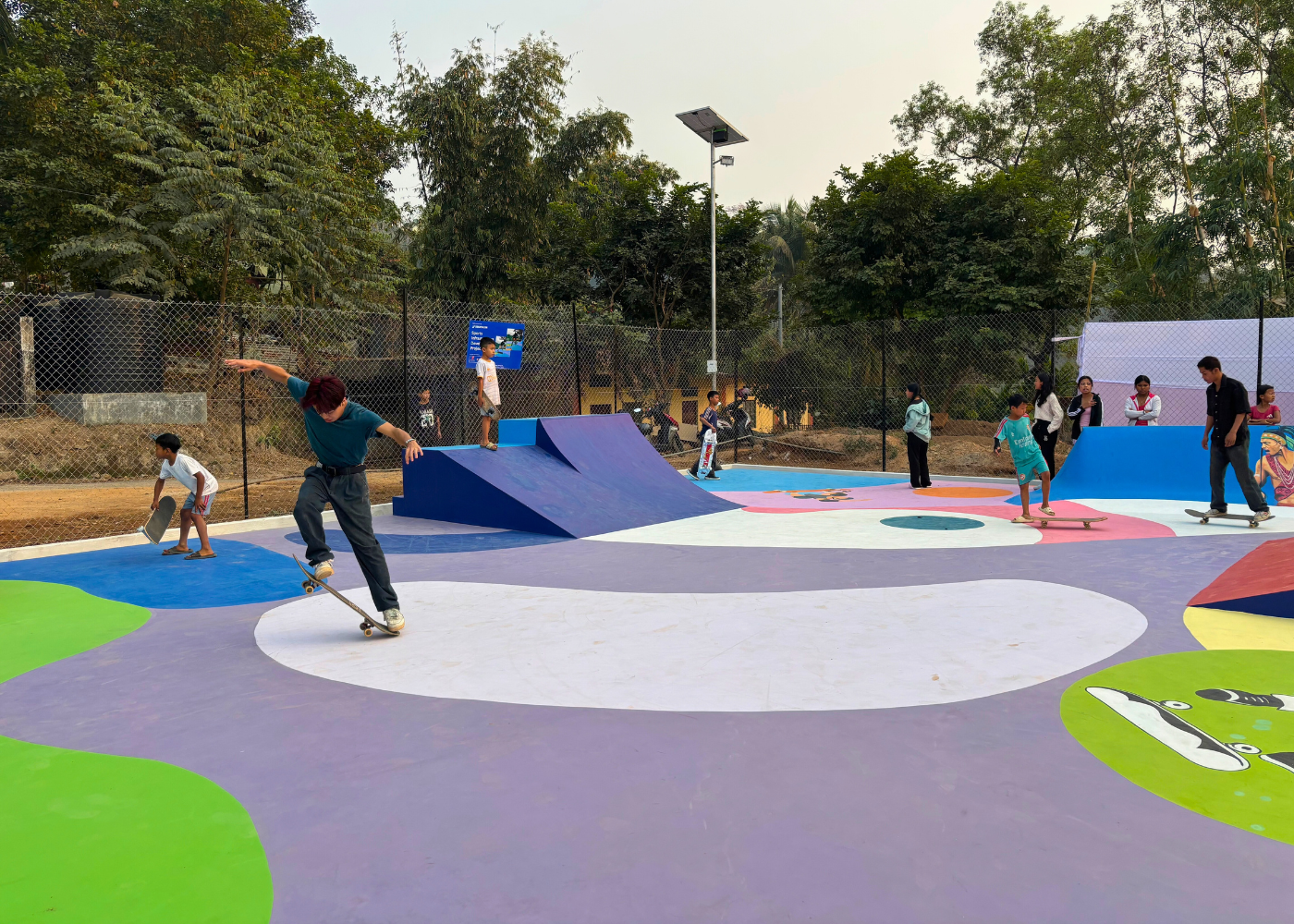
Young riders skate freely at Nokrek Skatepark, Tura
GHE has developed a Skate and BMX Park in Tura, Meghalaya, supported by structured coaching programs. This facility will provide young athletes with a safe, purpose-built space to train, learn new skills and compete in action sports.
The project is being implemented with support from Decathlon India, strengthening opportunities for youth interested in emerging global sports.
Given football’s deep cultural significance in Meghalaya, GHE is working to upgrade existing football grounds across the region. Improved grounds will make playing conditions safer, reduce injury risks and create better training environments for aspiring footballers.
These models can be replicated across villages to improve grassroots sports infrastructure in Meghalaya.
GHE is also supporting the formation of community running clubs in the Garo Hills while encouraging the development of running tracks and training spaces.
These initiatives promote fitness, discipline and perseverance while opening pathways for youth pursuing sports careers, government services or simply a healthier lifestyle.
The Garo region continues to navigate the aftermath of prolonged conflict. Challenges such as youth unemployment, limited access to quality education and a lack of structured opportunities remain significant. In such environments, young people can become vulnerable to negative influences such as substance abuse, alcoholism and anti-social behaviour. This is where sports can play a transformative role.
Beyond physical activity, sports nurture discipline, teamwork, leadership and resilience. These qualities are especially important for youth in vulnerable communities. Sports can help young people build mental and physical strength, discover new opportunities and imagine futures beyond their immediate surroundings. In the Garo Hills, sports have the potential to become far more than recreation, they can serve as a catalyst for empowerment, community development and long-term social transformation.
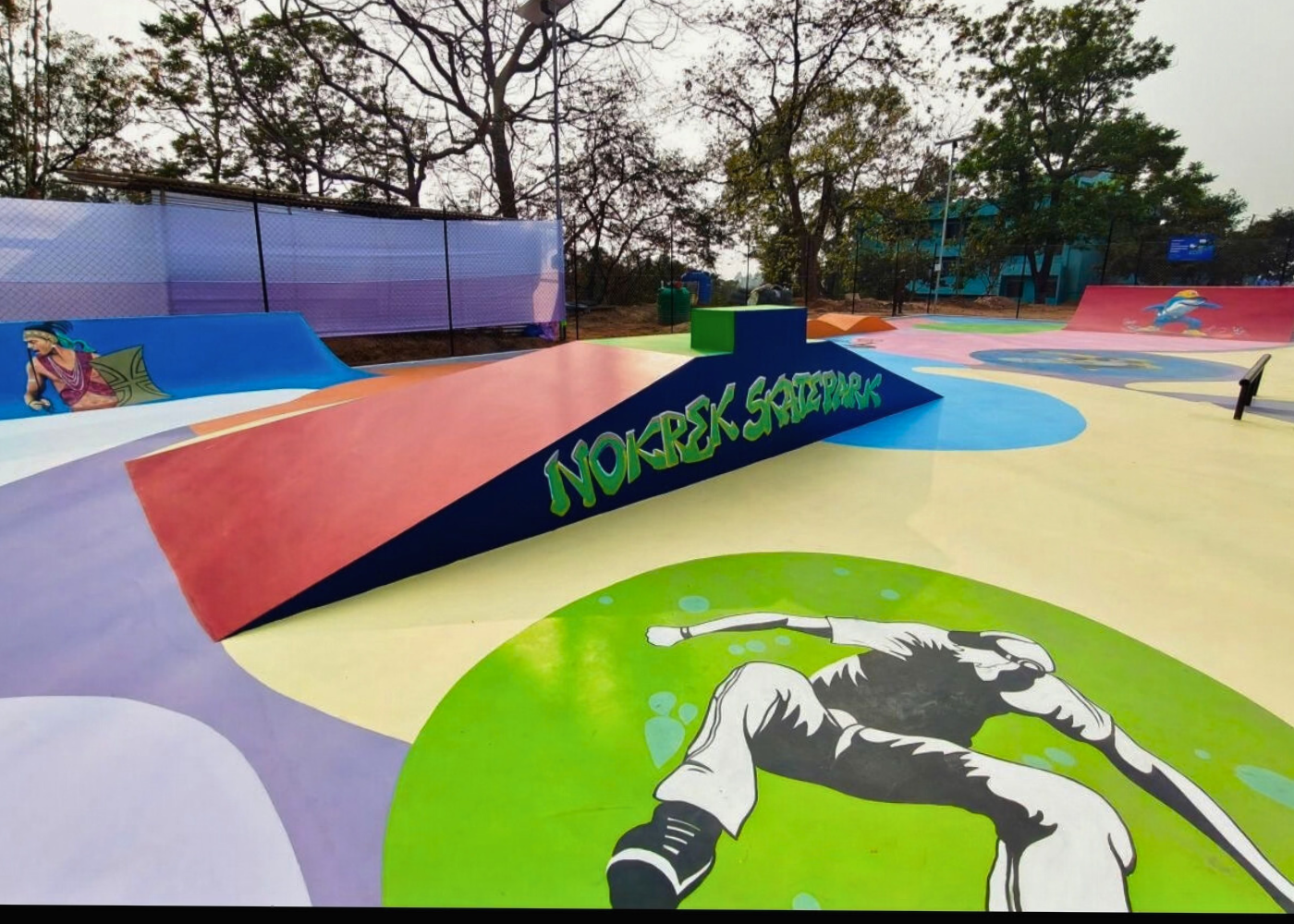
Smooth ramps and rails at Nokrek Skatepark
For GHE, investing in sports for youth development means investing in human potential. By using play, competition and motivation as tools, sports can help build healthier, more confident and resilient communities.
To ensure long-term sustainability, GHE is actively collaborating with:
Government agencies
Local administrative bodies
Corporate CSR partners
Community stakeholders
These partnerships aim to support sports infrastructure development, coaching programs and youth training initiatives. By combining grassroots engagement with strategic collaboration, GHE hopes to ensure that young people in the Garo Hills have the resources, guidance and opportunities they need to thrive.
Ultimately, these efforts can help nurture a vibrant youth culture, one that is ready to represent the region on national and global sporting platforms, including future international events such as the Summer Olympics 2036.
Explore perspectives on the work we do and ways to make an even greater impact together.

GHE drives sustainable rural development by harnessing renewable energy and tourism to empower remote off-grid communities, providing innovative solutions that enhance livelihoods, promote sustainability, and foster economic growth through collaboration with local stakeholders.
Follow us on





0 Comments