


Eri Silk in Garo Hills Meghalaya
Preserving Craft, Ecology and Community Livelihoods
Eri Silk in Garo Hills Meghalaya represents a powerful blend of ethical fashion, environmental responsibility and women-led livelihood creation. In the mist-covered hills of Meghalaya, skilled Garo women artisans transform cocoons into silk that embodies compassion, sustainability and cultural pride. Through the Eri Silk Initiative and cooperatives like Ripok Dokatchi, silk is produced without harming the silkworm and coloured using forest-sourced natural dyes. Each thread carries the story of dignity, ecological care and a resilient community building a future rooted in tradition and fairness.
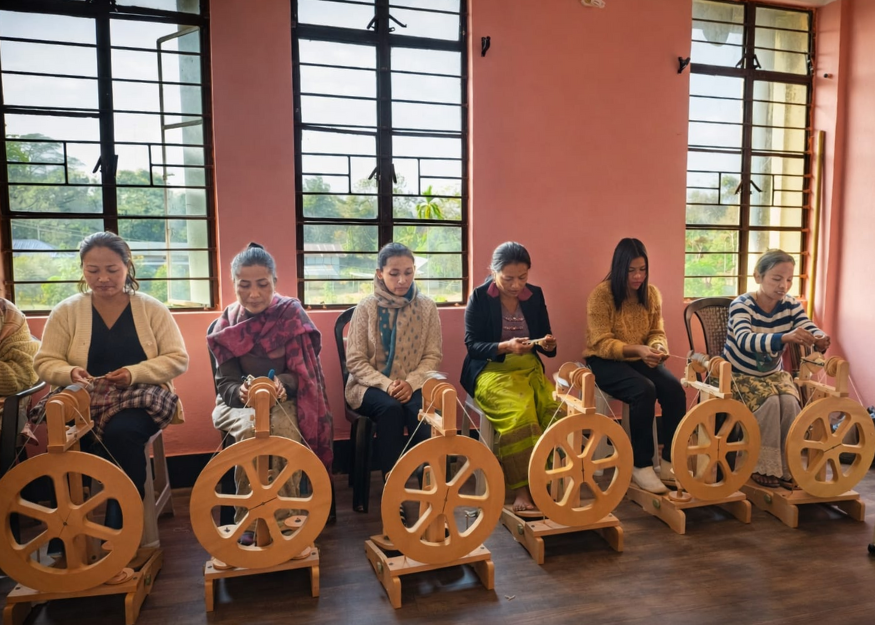
Weavers spinning yarn together at the CFC centre
The Essence of Eri Silk
Eri silk, locally called Ryndia, is derived from the Samia ricini silkworm that feeds on castor leaves. Unlike conventional silk production, the cocoon is not boiled with the silkworm inside. Instead, the moth is allowed to emerge naturally before the fibre is collected. This compassionate process has earned Eri silk the name “Peace Silk” or “Ahimsa Silk.”
Eri silk is warm yet breathable, durable yet soft and ideal for year-round wear. Often referred to as the “wool of silks,” it is particularly valued for shawls and stoles that last for decades. Its hypoallergenic nature makes it suitable for sensitive skin, while its production respects both life and land.
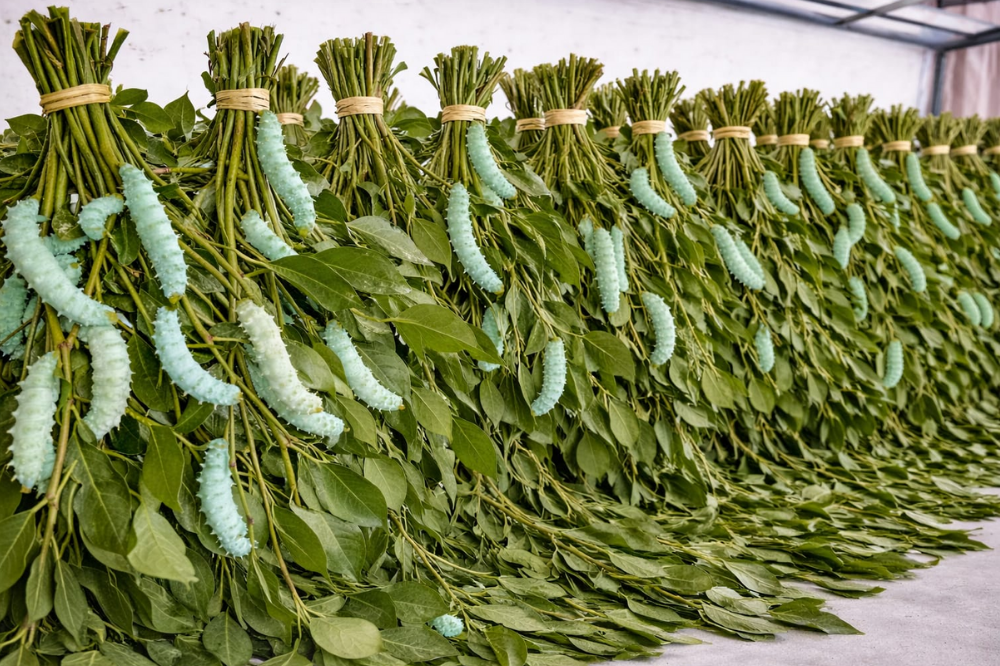
Eri silkworms nurtured on castor leaves for silk production
Natural Dyeing Traditions
In the Garo Hills, colour comes directly from nature. Women artisans revive ancient dyeing practices using turmeric, indigo leaves, lac, bark, roots and iron-rich soil. These materials are carefully processed and fixed with natural binders, producing rich hues that are long-lasting and environmentally safe.
Natural dyeing protects rivers from chemical pollution, supports biodiversity and keeps ancestral knowledge alive. It turns every finished shawl into an ecological statement as much as an artistic one.
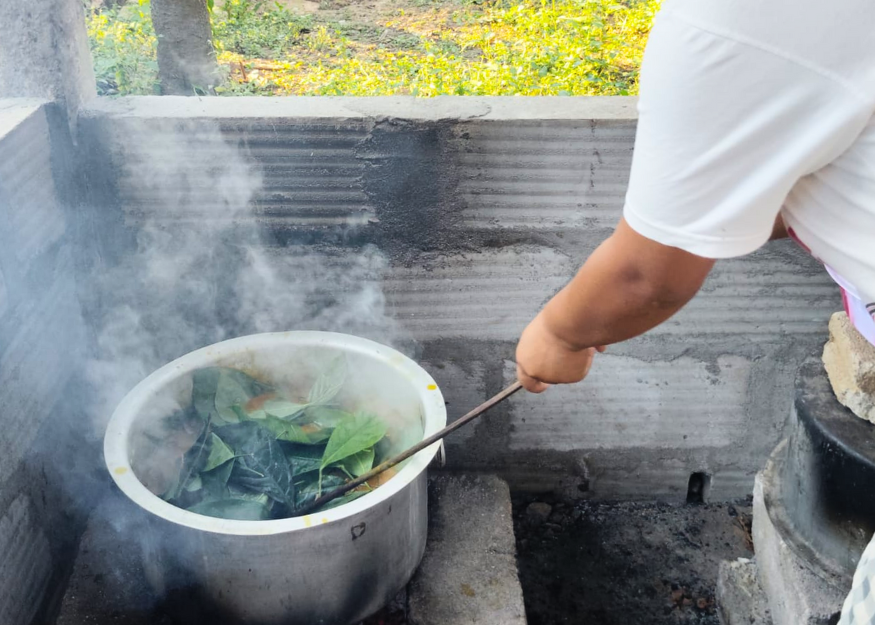
Traditional natural dyeing process
Community-Led Transformation
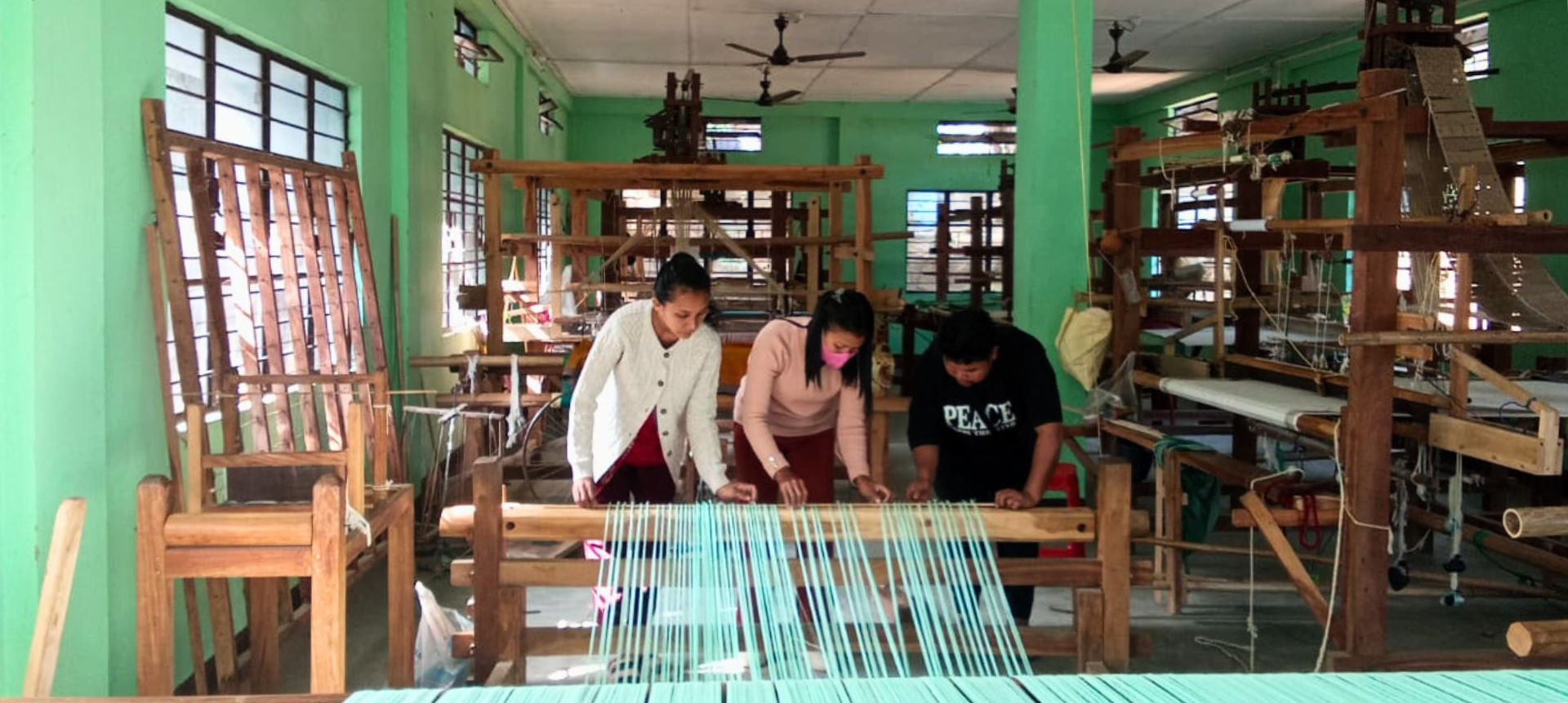
The Eri Silk Initiative operates through Common Facility Centres (CFCs), where women come together to spin, dye, weave and learn. These centres are spaces of collaboration and confidence-building. Skills are shared, innovation is encouraged and economic independence is strengthened.
What begins as craft becomes a system of empowerment, where collective work transforms individual potential into community resilience.
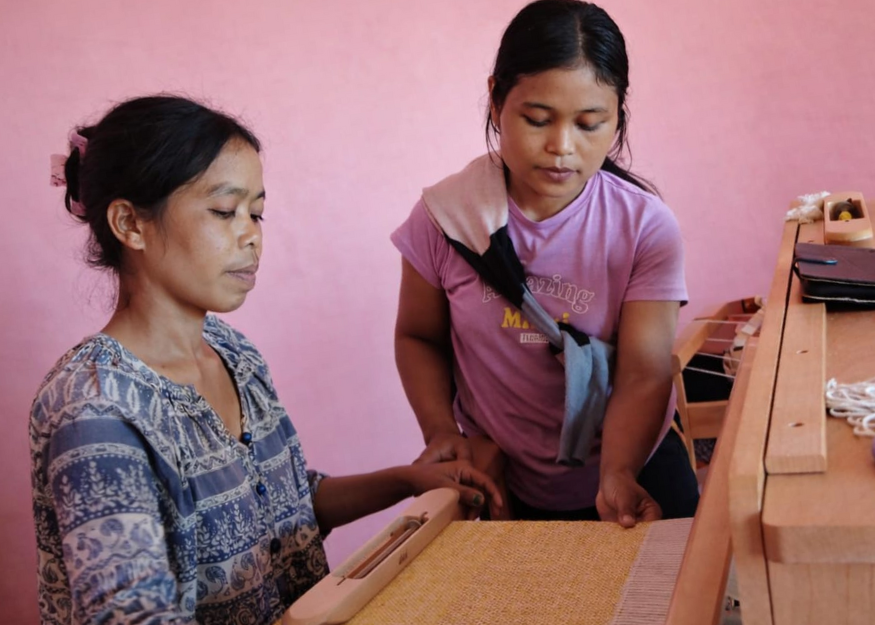
Master trainer guiding the weavers
Ripok Dokatchi: A Cooperative of Purpose
Ripok Dokatchi, based in Williamnagar, East Garo Hills, represents the living soul of this movement. It is a women-led cooperative that blends traditional craftsmanship with contemporary design sensibilities. Every shawl and stole reflects patient hand-spinning, careful natural dyeing and thoughtful weaving.
These textiles are not simply fashion products. They are cultural artefacts that carry identity, heritage and the spirit of the hills.
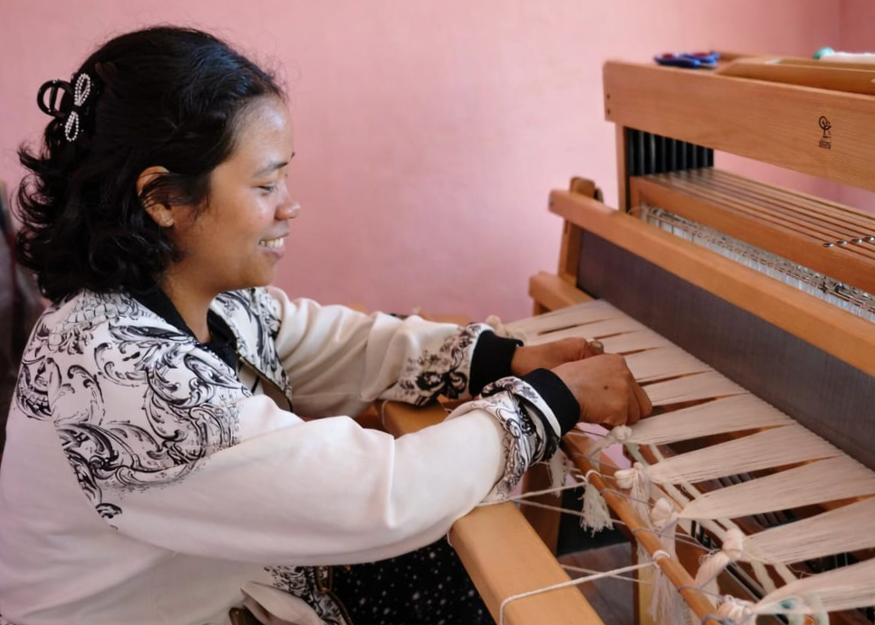
Siltera Marak starting her journey in traditional weaving
Environmental and Social Impact
The Eri silk ecosystem nurtures both nature and people. Castor cultivation requires minimal water and chemicals, supporting regenerative agriculture. Natural dyes safeguard rivers and soil. Traditional knowledge is preserved and passed on to younger generations.
For women, this work provides dignified, home-based livelihoods. It strengthens financial independence, enhances social standing and builds confidence. Families become more secure and communities more self-reliant.
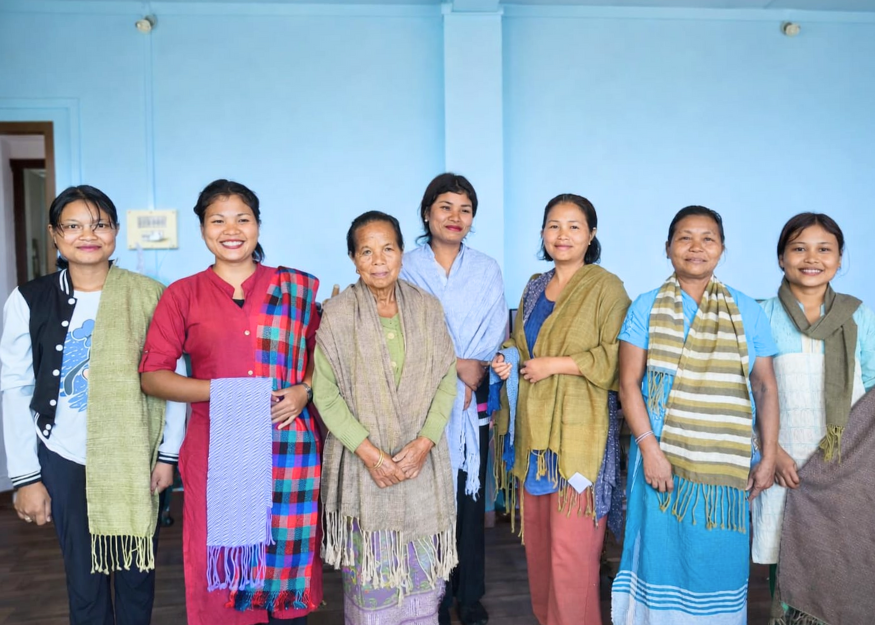
Trainees holding their finished woven pieces
Sustainable Fashion with Meaning
Eri Silk in Garo Hills Meghalaya demonstrates that sustainable fashion is not a trend but a responsibility. It shows how ethical production, ecological balance and cultural preservation can coexist beautifully.
As markets expand and training grows, this movement continues to inspire a new generation of women to shape their futures with their own hands.
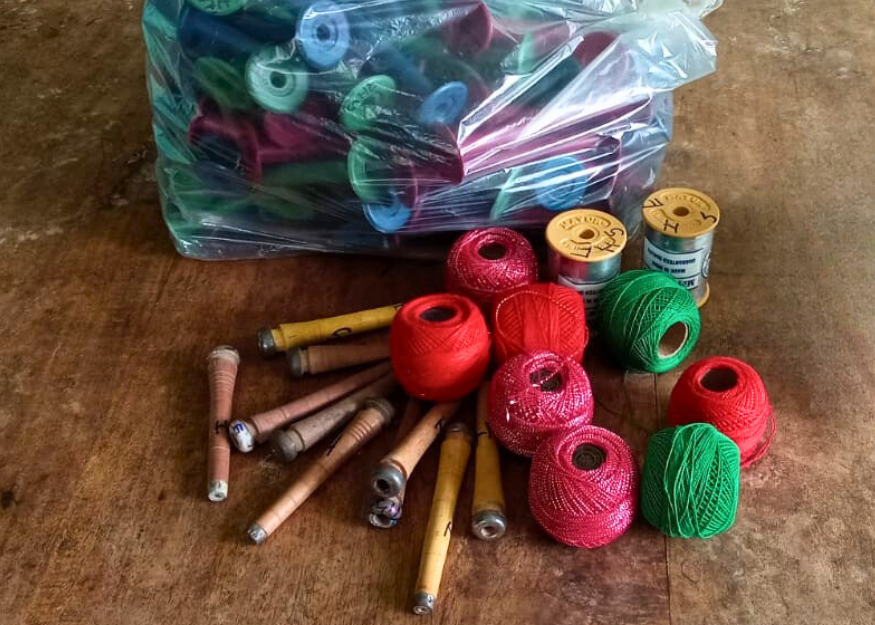
Natural Eri silk yarn, hand-spun by artisans
Eri Silk in Garo Hills Meghalaya is more than a craft story. It is a living example of how sustainability, tradition and livelihoods can grow together. By nurturing ethical silk production, natural dyeing and community-based enterprises, this initiative shows how local knowledge can create long-term economic and environmental value.
At GHE, we believe sustainable livelihoods are built when communities are supported with skills, resources and opportunities rooted in their own culture and environment. To explore how GHE is working across regions to create dignified, resilient and self-sustaining livelihoods, visit our Sustainable Livelihoods page and discover the journeys shaping a more responsible and inclusive future.
Latest Blogs
Explore perspectives on the work we do and ways to make an even greater impact together.
Clean energy solutions across regions





0 Comments