


Powering Equity Within Limits
GHE May 1, 2026
 GHE
GHE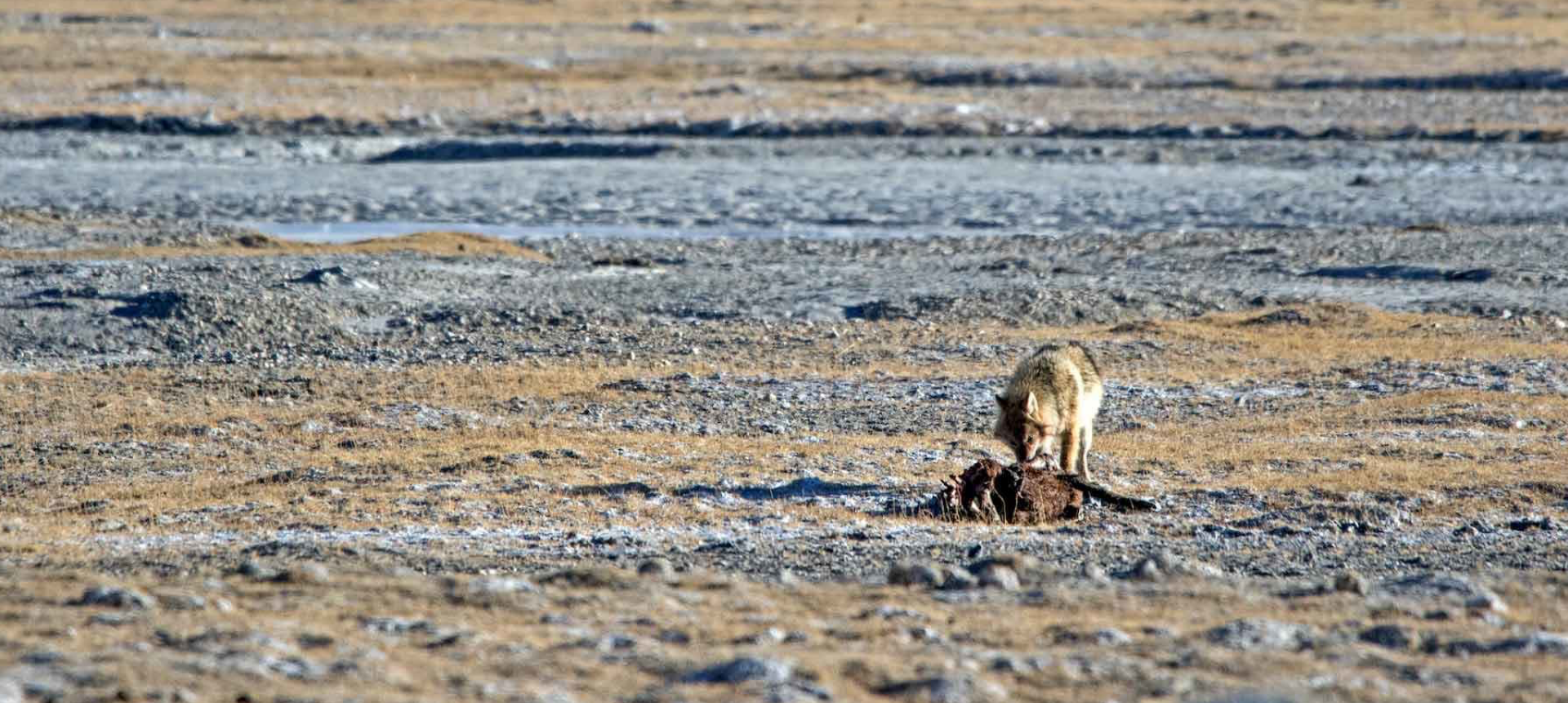
In the high-altitude deserts of Ladakh, survival has always required resilience, wisdom and deep adaptation to nature. For centuries, communities here lived in close proximity to powerful predators such as the Tibetan wolf (Canis lupus chanco) and the snow leopard (Panthera uncia). This relationship was shaped by both respect and conflict. One of the strongest physical reminders of this history is the Shang-Dong, a traditional wolf trap built from stone and skill, now standing across hillsides as a cultural relic.
Today, Shang-Dong sites are no longer just symbols of conflict. In many parts of Ladakh, they are being transformed into symbols of peace, coexistence and conservation. This shift reflects a remarkable evolution in how local communities perceive wildlife, culture and responsibility toward nature.
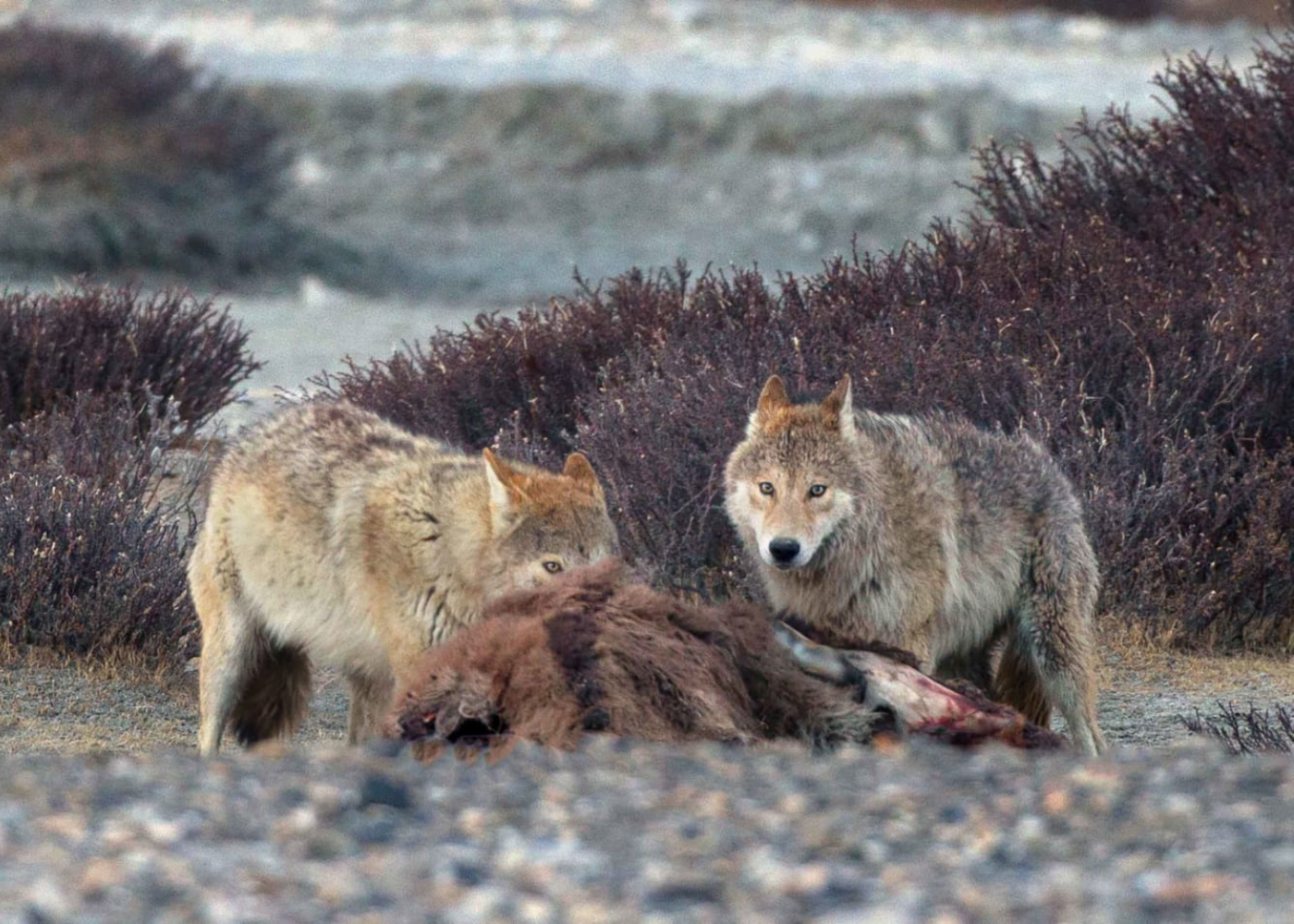
A Tibetan wolf feeding on its prey in the high-altitude landscape of Ladakh
Ladakh lies at an average altitude above 3,500 meters, with long winters, low rainfall and scarce vegetation. Agriculture is limited and for generations, pastoralism has been the foundation of survival. Goats, sheep, yaks, horses and donkeys provided food, clothing, trade and economic security.
In such fragile ecosystems, losing livestock to predators was not just an inconvenience, it was a crisis. A single attack could push a family into financial instability. Wolves, being efficient pack hunters capable of killing large prey, naturally came into conflict with people.
This is where Shang-Dong emerged, not as an act of cruelty but as a survival strategy shaped by necessity.
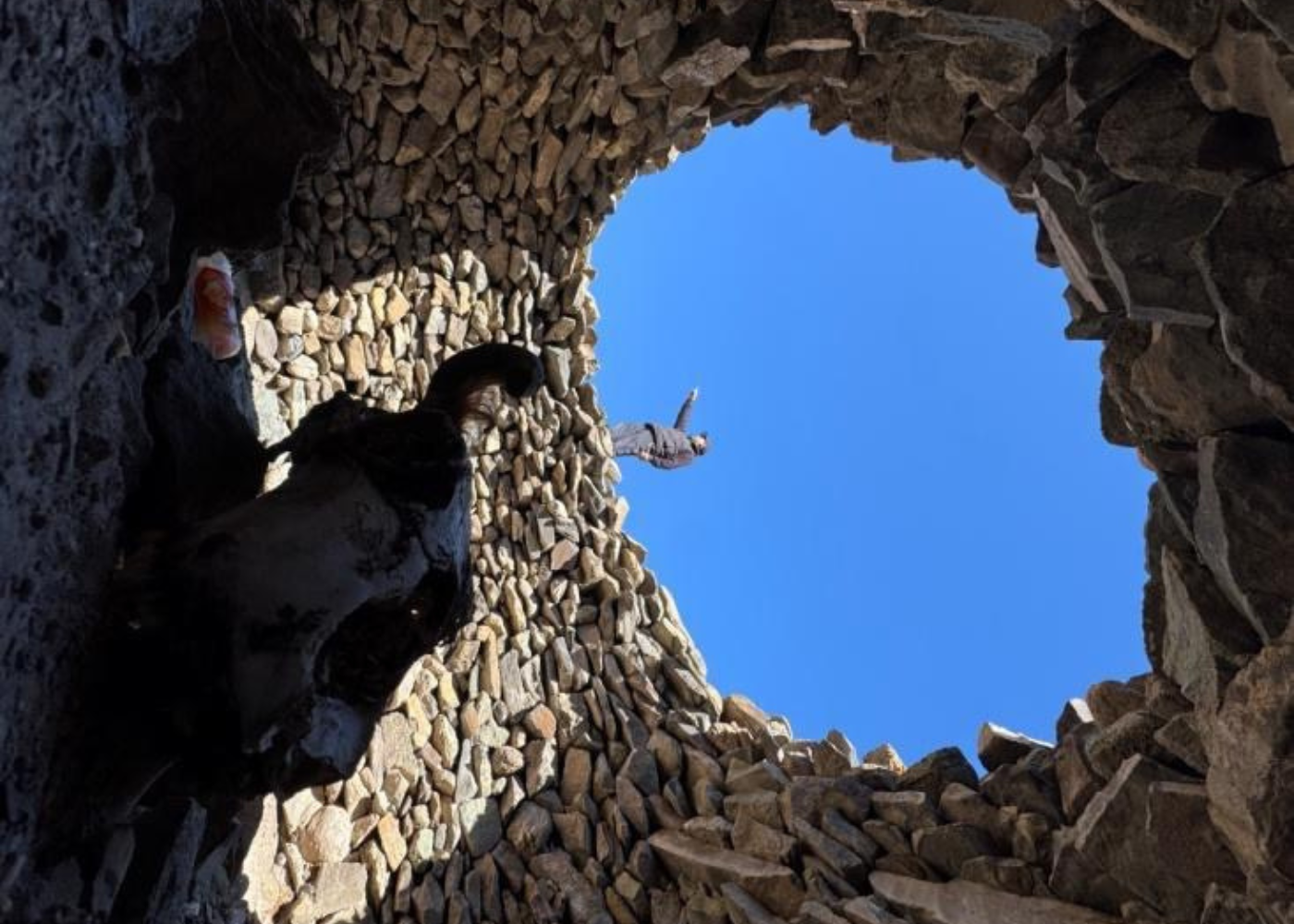
A traditional stone Shang-Dong wolf trap in Ladakh
Shang-Dong literally comes from two Ladakhi words:
A Shang-Dong is a deep pit constructed using large, flat slate stones, shaped like a bowl or inverted funnel. Some traps measured 3–4.5 meters in diameter and 2.5–3 meters deep, while oral histories suggest that older structures were even deeper.
The smooth stone walls prevented animals from escaping once they fell inside. Livestock such as a goat or sheep was placed inside as bait. Wolves, drawn by the presence of prey, would jump in and become trapped.
The entire process was communal. From building to use, Shang-Dong reflected collective responsibility and shared risk management in a harsh landscape.
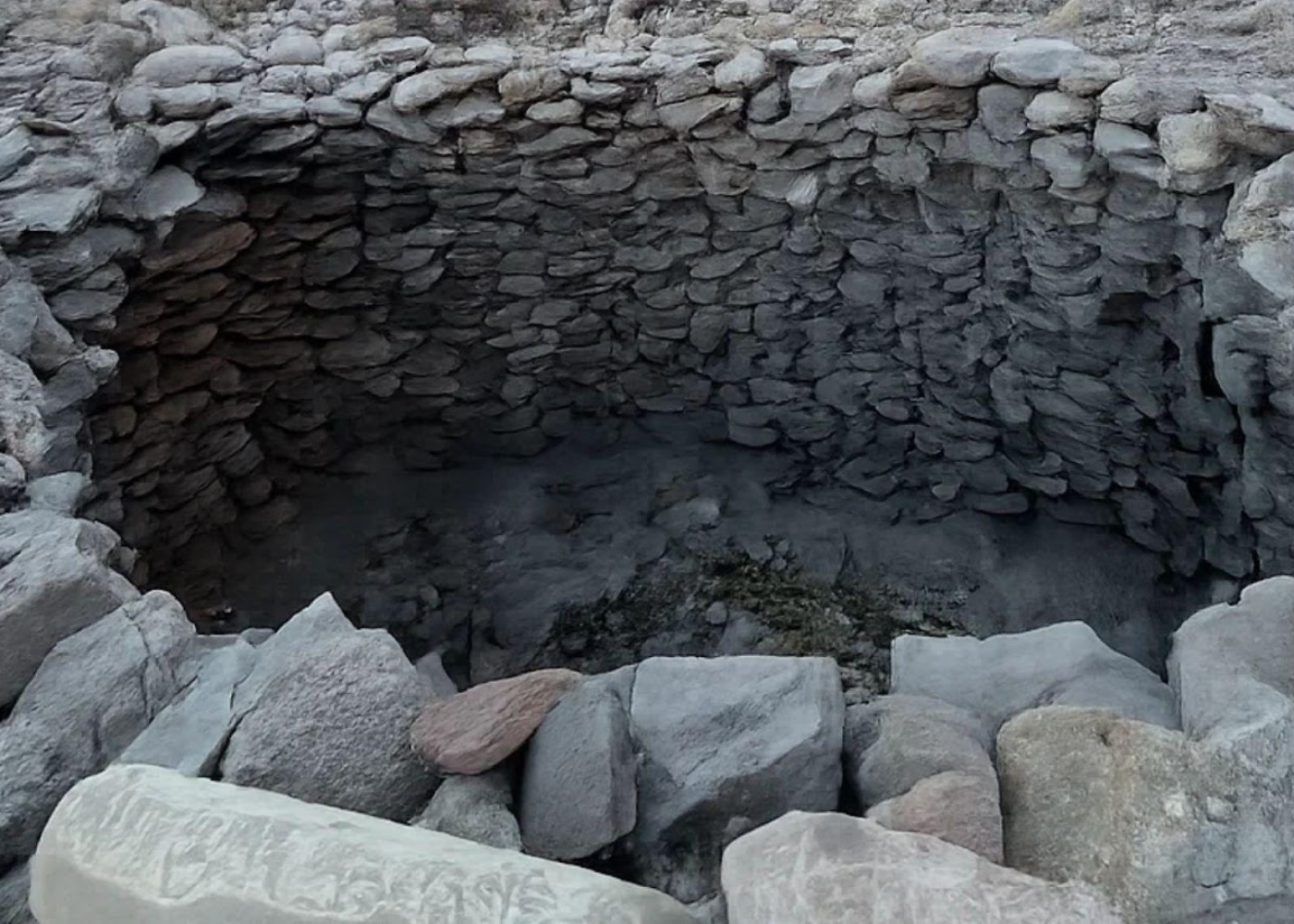
Close-up of a traditional stone Shang-Dong wolf trap
For many Ladakhis, Shang-Dong is part of their childhood memories. While grazing animals in the mountains, elders would point to these stone pits and explain their purpose. There was no celebration in the act of killing; it was simply accepted as a necessity of survival in difficult times.
These memories hold great cultural value today. They allow younger generations to understand how their ancestors lived, struggled and protected their livelihoods.
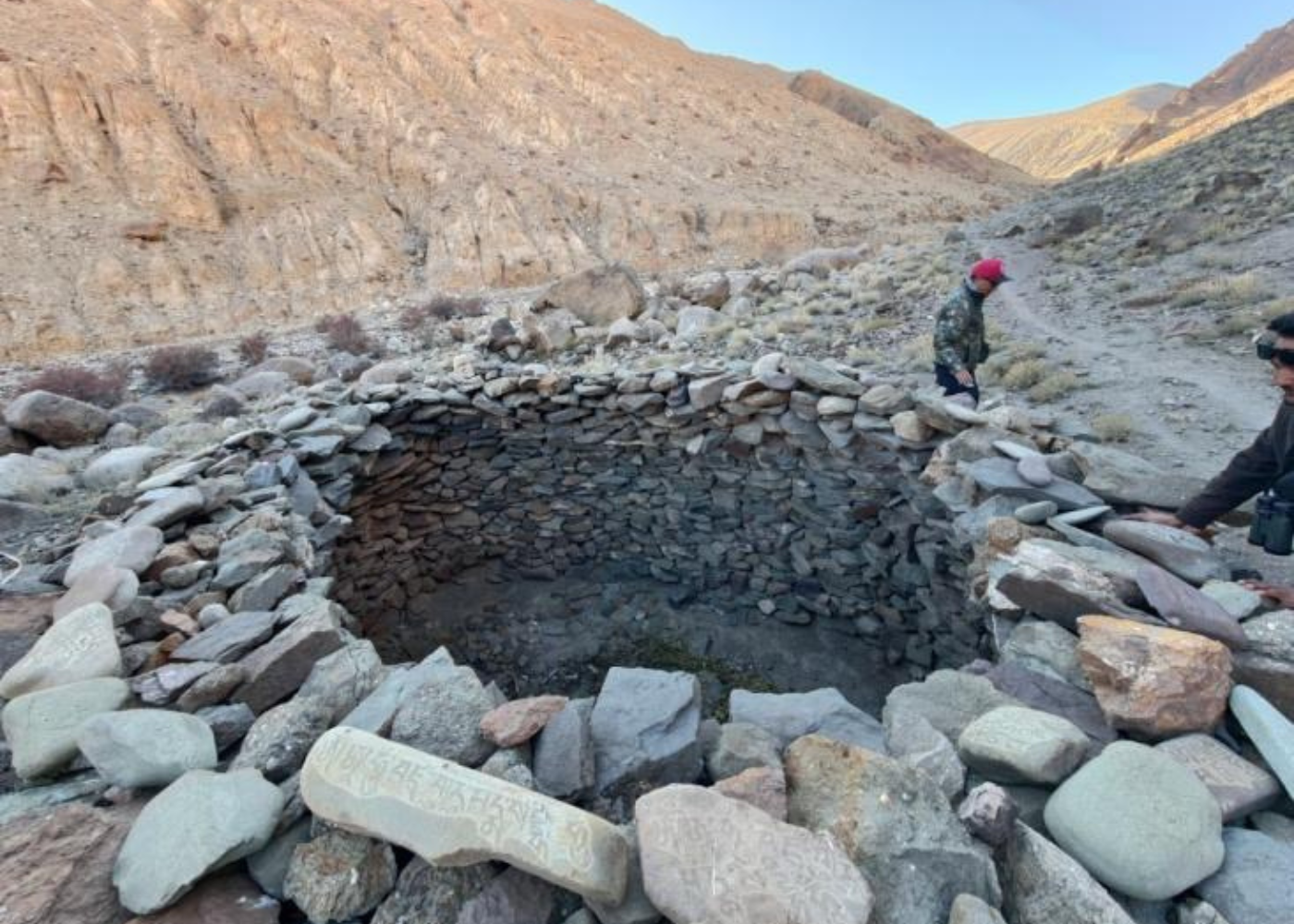
Another view of a traditional Shang-Dong wolf trap
The Tibetan wolf is one of the top predators of the Changthang plateau. Larger and stronger than Indian wolves, it is perfectly adapted to high-altitude life. Wolves hunt cooperatively and are capable of taking down prey such as kiang, argali and bharal.
However, when wild prey becomes scarce due to habitat pressure, overgrazing or climate change, livestock becomes the easiest target. Mass livestock killings were especially devastating for pastoral families.
This created a cycle of fear, retaliation and conflict that shaped Ladakh’s historical relationship with wolves.
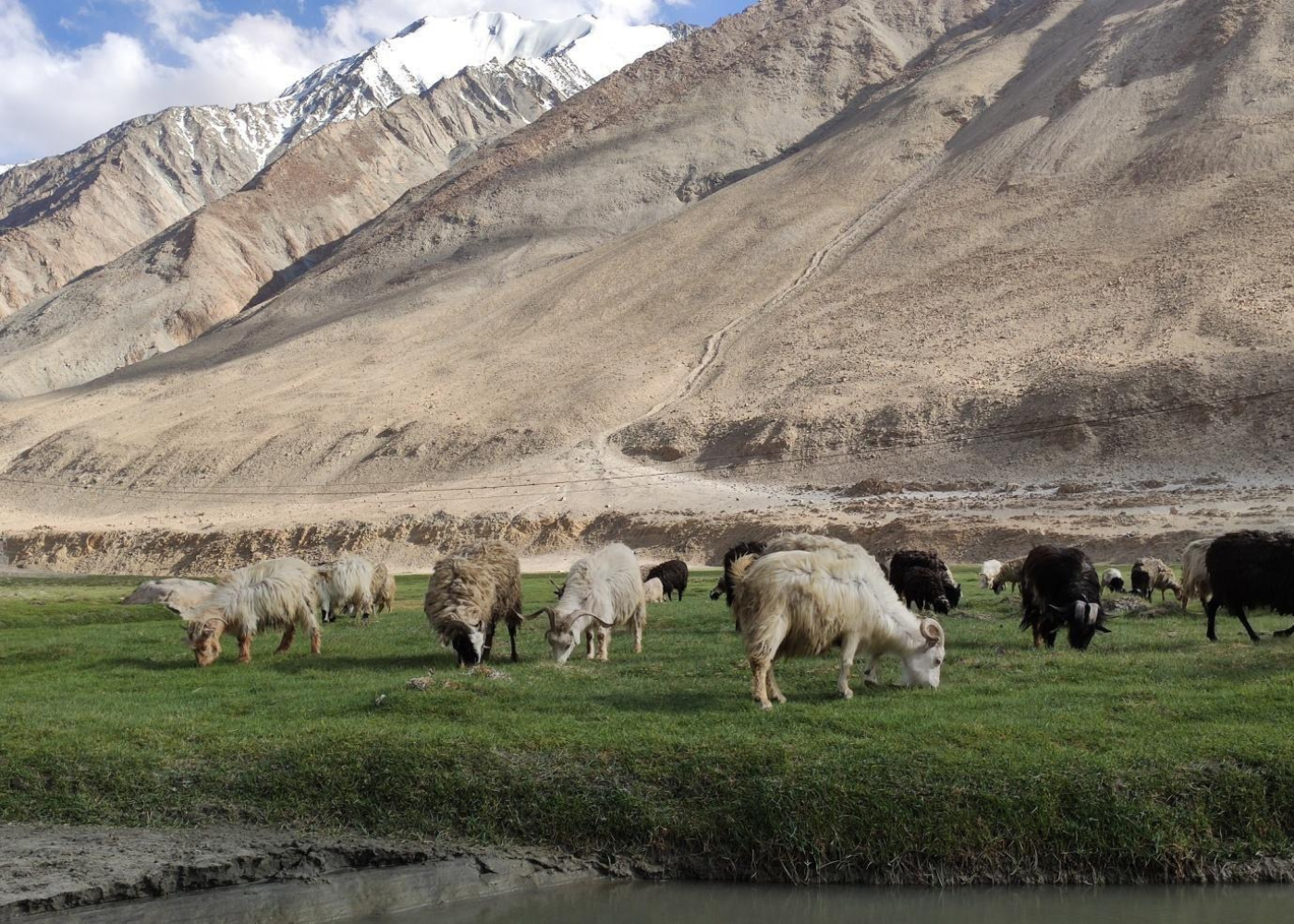
Pashmina goats grazing with local herders, a common prey of wolves in Ladakh
Since 2017, a powerful change has begun. In villages such as Chushul, Rumptse and Himya, communities have voluntarily neutralised Shang-Dongs. Instead of destroying them, stones are removed strategically to create escape routes for trapped animals, preserving the structure while ending its use as a killing device.
Alongside these neutralised traps, Buddhist stupas are being built. These stupas symbolize:
This initiative beautifully integrates faith, culture and conservation. It transforms a site of conflict into a sacred space of reflection and protection.
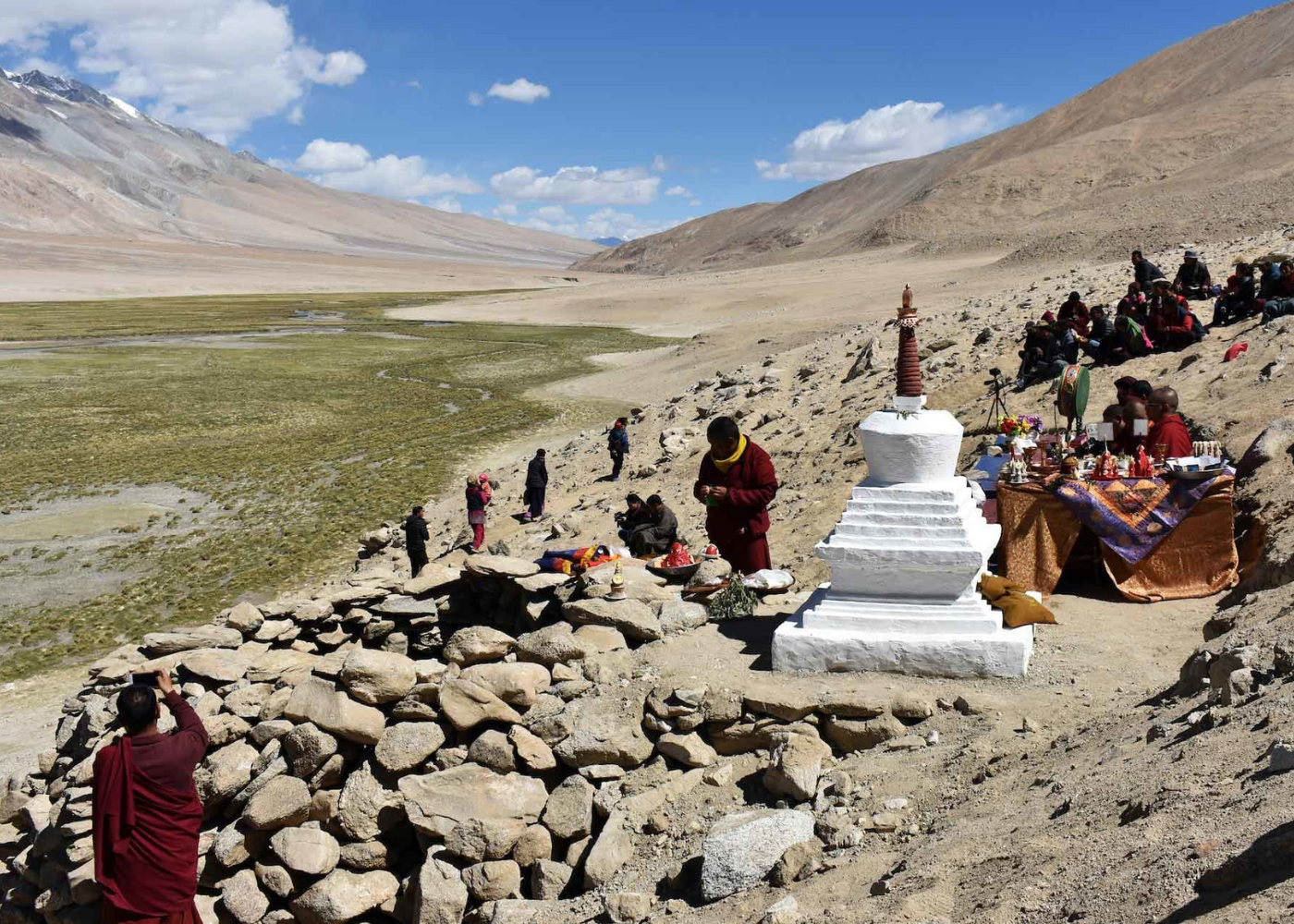
A wolf trap transformed into a Buddhist stupa
What makes this initiative extraordinary is that it is led by the people themselves. Conservation is not imposed from outside. It emerges from within the community through dialogue, respect and shared values.
People now take pride in being protectors of wolves rather than their hunters. Shang-Dong has become a reminder of growth, maturity and ecological responsibility.
This model shows how effective conservation is when it is rooted in local culture and belief systems.
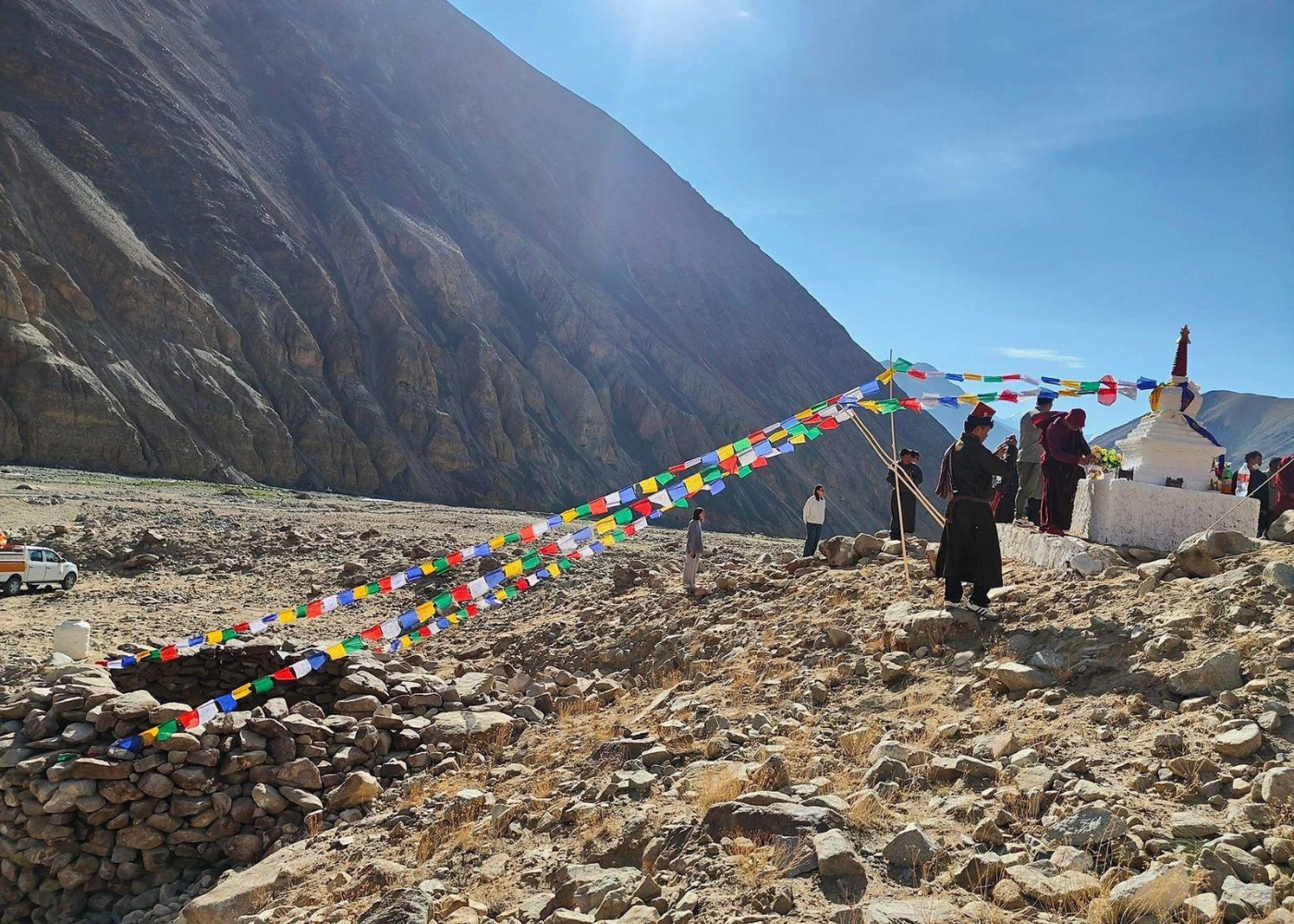
Another wolf trap converted into a Buddhist stupa for conservation
In Maan village near Pangong Lake, the Shang-Dong remains unchanged. No stupa has been built here yet. Instead, it stands as a living historical monument, reminding visitors of the past.
Located about 2–3 km from the village on Shang-Dong Tobo hill, this site allows travelers to understand Ladakh’s journey from survival-driven conflict to mindful coexistence.
It is not a relic of shame but a chapter of resilience.
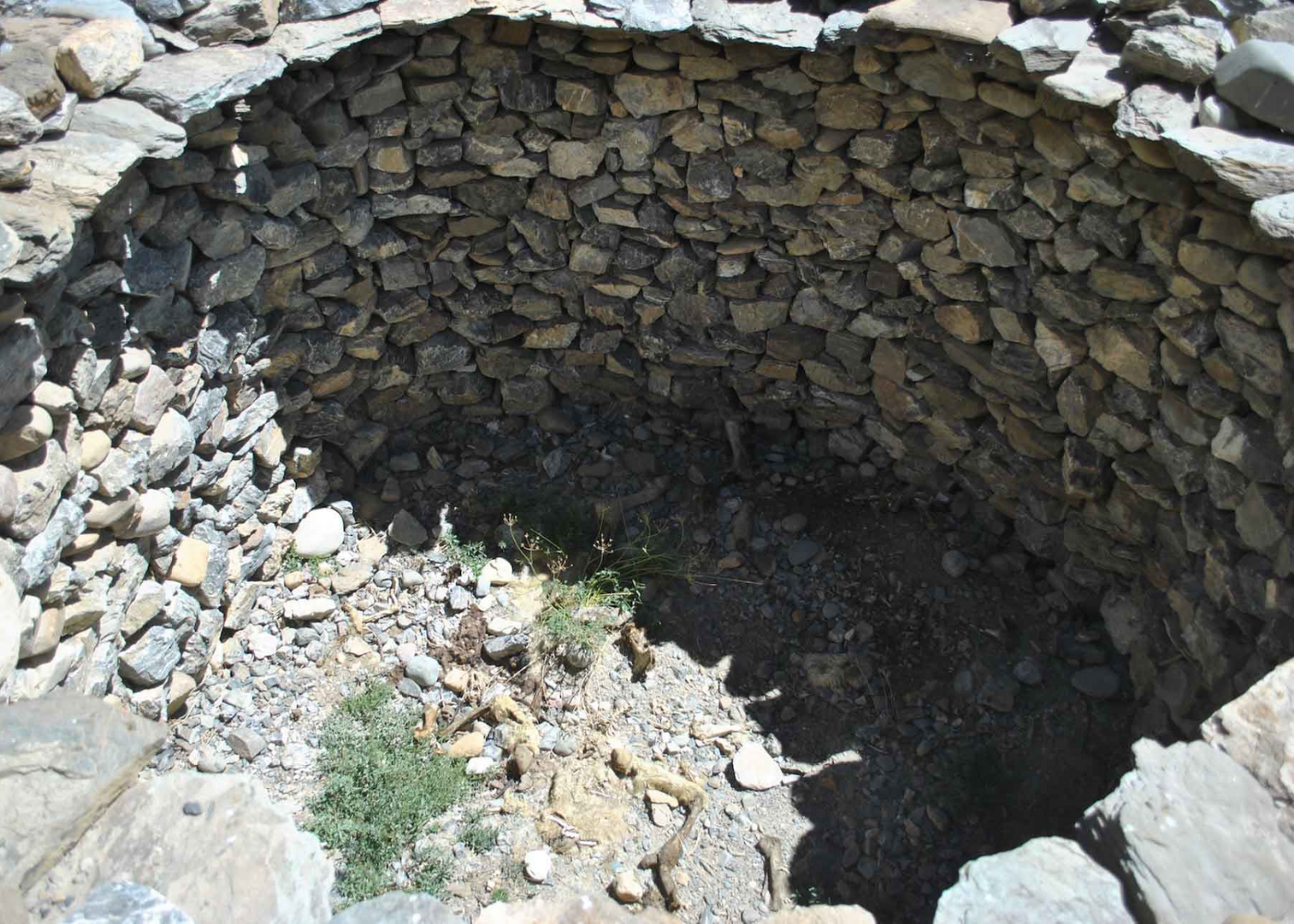
Inside view of a traditional Shang-Dong wolf trap
Wolves are legally protected in India and listed under CITES Appendix I, yet they remain misunderstood and persecuted across their range. Shang-Dong conservation initiatives demonstrate that law alone cannot save wildlife, community trust and cultural integration are far more powerful.
This approach can inspire conservation models across the Trans-Himalaya and other indigenous landscapes worldwide.
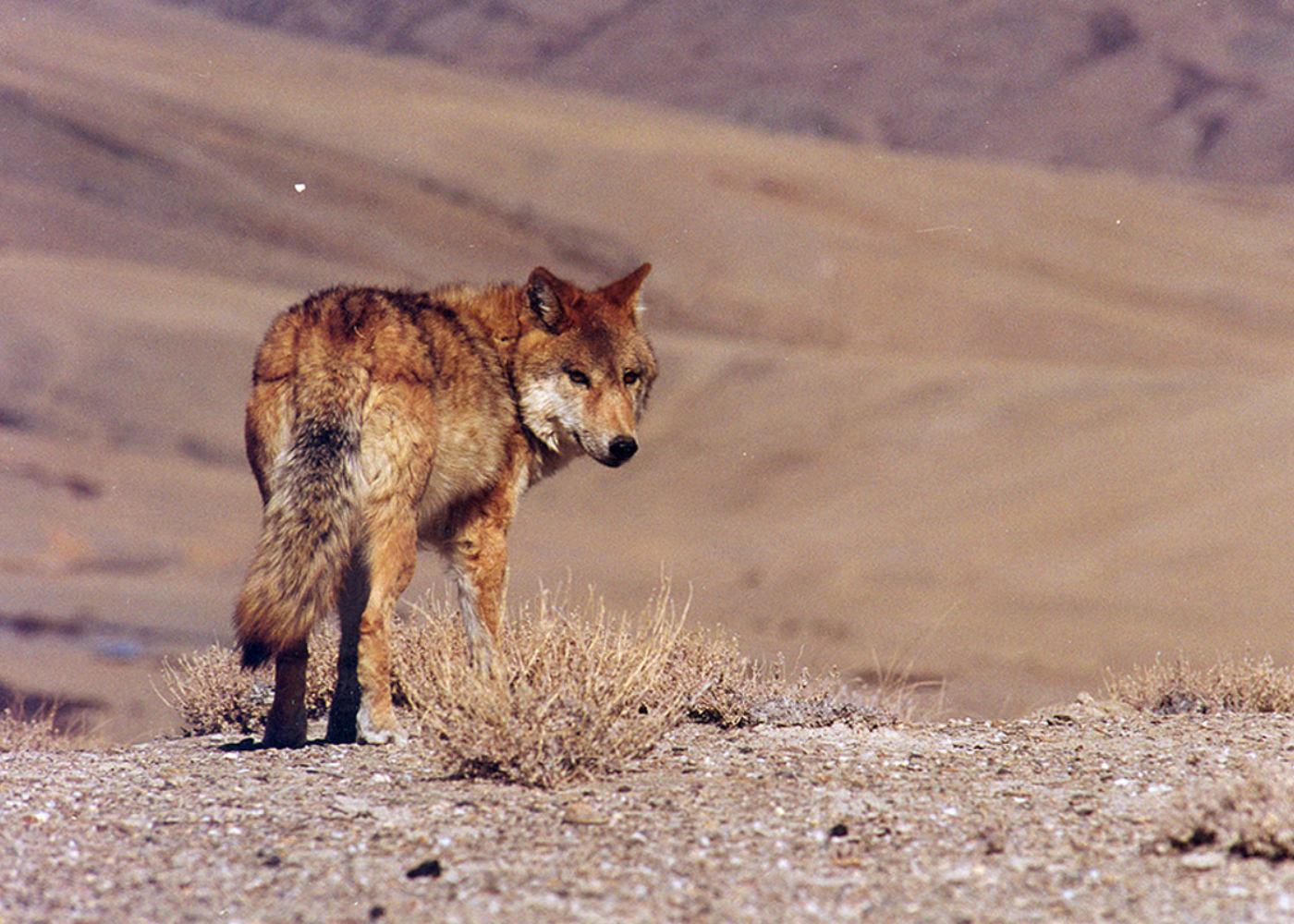
A Tibetan wolf in its natural habitat
Shang-Dong no longer represents fear but transformation. Once a survival tool, it now stands as a symbol of conservation, showing how communities can evolve while staying rooted in their culture. Travel with purpose with GHE and Mountain Homestays by choosing an authentic village stay at Astrostays or Astro Retreat. Explore places like Maan village, where traditional Shang-Dong wolf traps remain as living heritage, stay with local families, walk the land and experience Ladakh’s culture, wildlife and community-led conservation firsthand.
Explore perspectives on the work we do and ways to make an even greater impact together.

GHE drives sustainable rural development by harnessing renewable energy and tourism to empower remote off-grid communities, providing innovative solutions that enhance livelihoods, promote sustainability, and foster economic growth through collaboration with local stakeholders.
Follow us on





0 Comments